
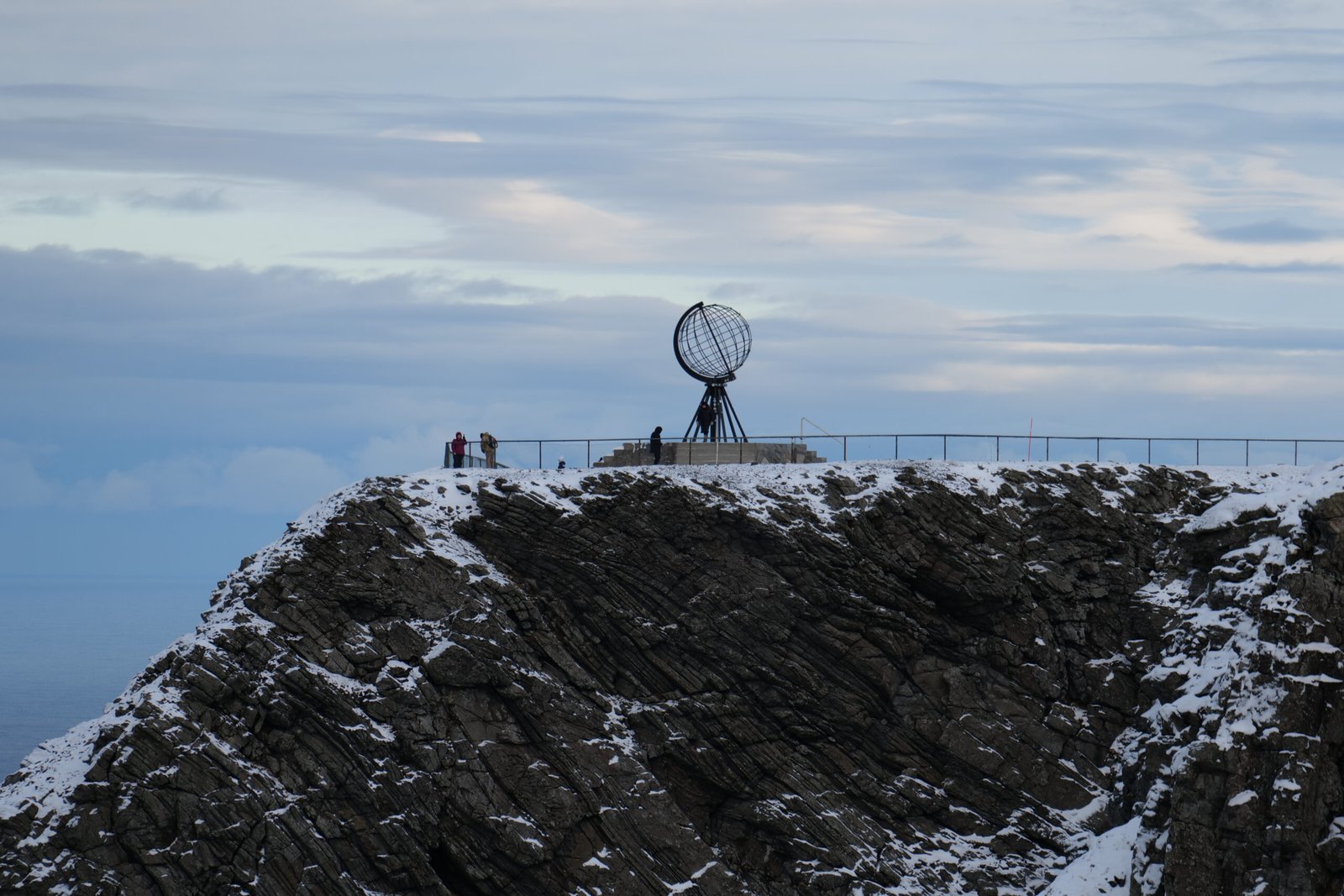
Is North Cape Worth Visiting? Ultimate Nordkapp Travel Guide
So you’re trying to figure out, “is North Cape worth visiting?” And yep, I get it. I wondered the same thing before my own winter trip to Norway!
In fact, I actually only booked the Nordkapp excursion with Havila Voyages because a family member said I’d regret skipping it.
And honestly? She was right!
On paper, Nordkapp just looks like a very expensive excursion to see a globe on a cliff…
But once I actually got there, the North Cape plateau surprised me in the best possible way. (And it’s not “just a globe” at all. Far from it!)
Instead, it’s the iconic feeling of standing at (almost!) the northernmost point of Norway, looking out at nothing but the wild Barents Sea and dramatic cliffs.
So, if you’re trying to justify the cost, the weather, the logistics, or just wondering what there is to do at North Cape, Norway, this guide has everything you need to know.
I’ll tell you what North Cape actually is and how to get there (including with Havila or Hurtigruten), what the visitor centre is like, the best things to do once you arrive and, most importantly, whether Nordkapp is worth adding to your Arctic itinerary!
What Is North Cape?
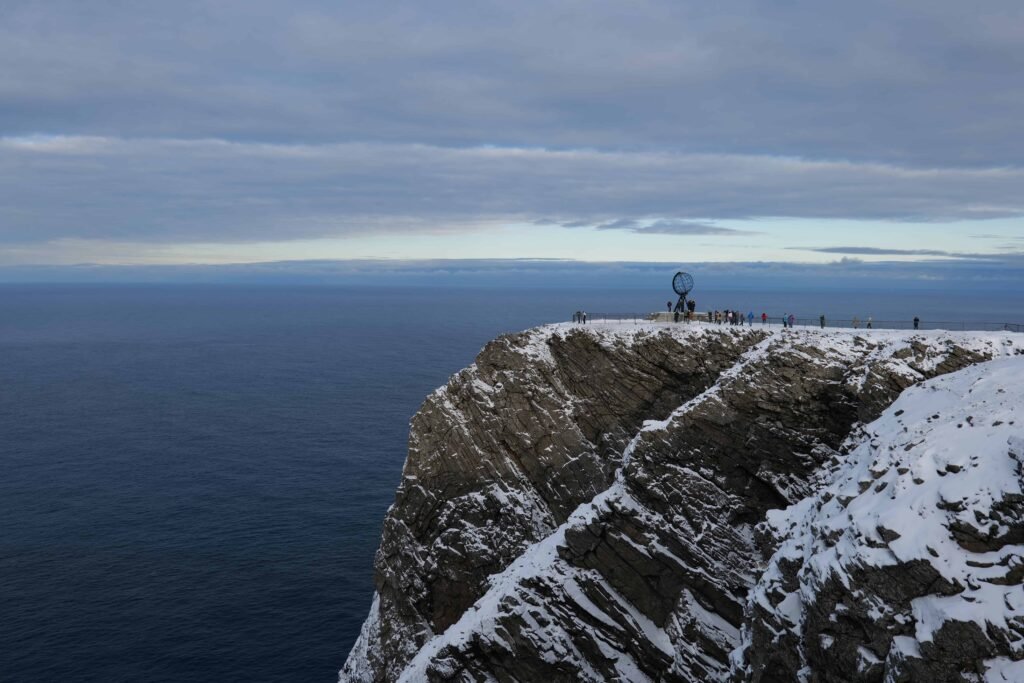
North Cape (or Nordkapp) is a headland on the island of Magerøya in northern Norway, at the edge of the wild Barents Sea.
And while Nordkapp is not technically the northernmost point in Norway, being there with nothing but sea in front of you feels like you’re standing at the edge of the world!
The main viewpoint at Nordkapp is marked by the famous globe. But the whole plateau, with its dramatic Arctic scenery, is what makes North Cape one of the most popular tourist attractions in Norway!
North Cape Norway Latitude
The North Cape Norway latitude is 71°10′21″ N, which is crazy when you think about it, because that’s only about 2000 kilometres from the North Pole!
Where Is North Cape?
North Cape sits on the remote island of Magerøya, in northern Norway.
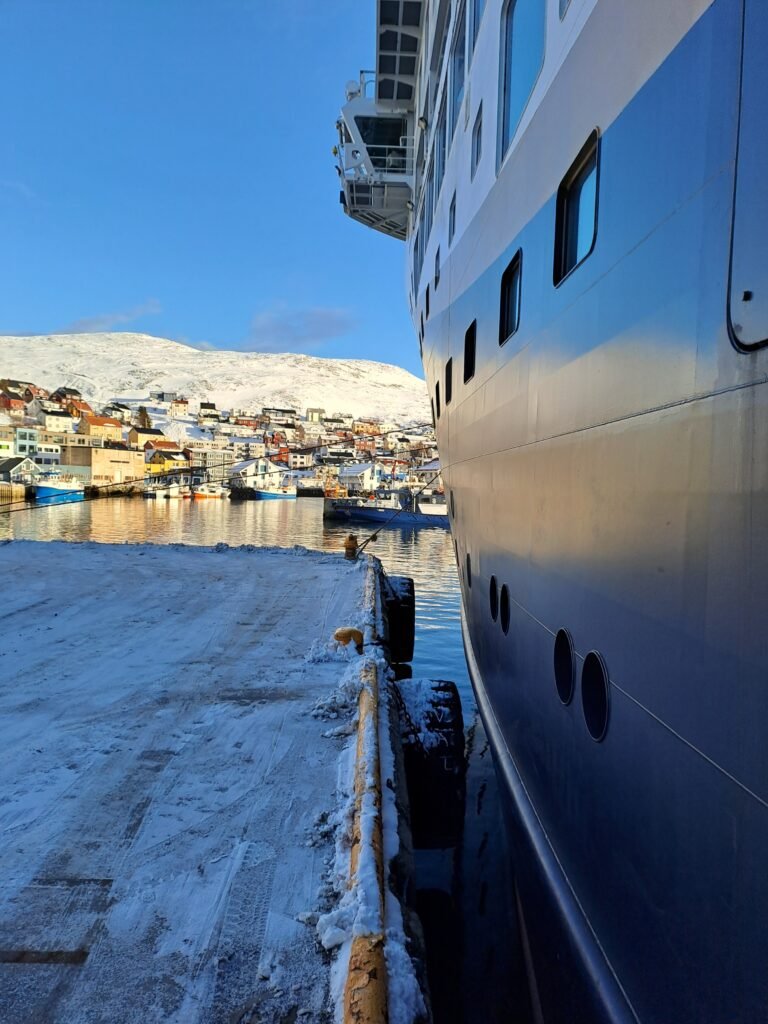
The closest town is Honningsvåg (around 35km away), which is the base for excursions and also where the Hurtigruten and Havila Coastal Express ships dock.
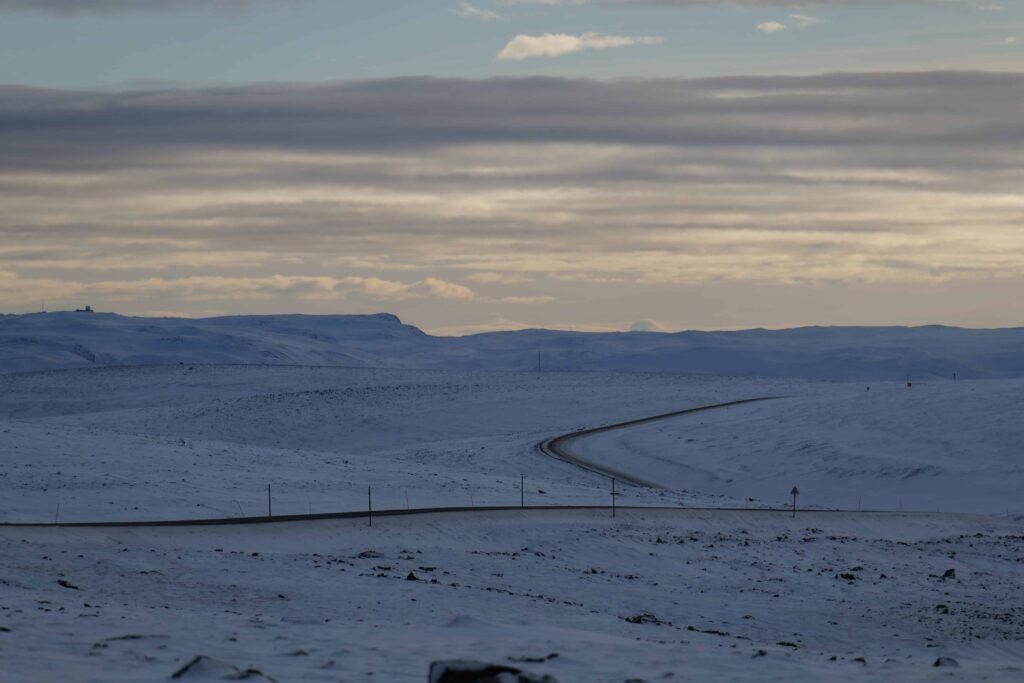
From Honningsvåg, you then travel across the Arctic plateau to reach North Cape, usually in a snowplough-led convoy if you’re visiting in winter.

How to Get to North Cape, Norway
Havila & Hurtigruten Excursions
If you’re travelling on the Norway Coastal Express, the easiest and most stress-free way to visit Nordkapp is via the official North Cape excursion with Havila or Hurtigruten.
The excursion is well-organised, reliable, and designed specifically around the ship’s schedule, which means you won’t miss departure (a risk when booking independent tours).
You dock in Honningsvåg, where it’s then a short walk to the excursion bus that will drive you to the plateau (potentially in a convoy with a snowplough, if you’re travelling in winter).
I personally joined the Havila North Cape excursion in winter, along with two buses full of fellow passengers (yep, it’s popular!) and honestly loved it.
Everything was handled for us, including transport, timings, convoy logistics, entry tickets, advice on things to do, and even a local guide who shared stories and history on the drive.
Yes, it’s pricey, but you’re paying for the convenience, safety and guaranteed timing – as well as the once-in-a-lifetime opportunity to visit this iconic, wild section of North Norway’s coast!
Katie’s Top Tip: Book the excursion early to avoid disappointment. My Havila voyage in early March wasn’t full, but the North Cape excursion still sold out in advance.
Best North Cape Norway Tours
If you’re not sailing with Havila or Hurtigruten, there are still plenty of North Cape tours from Honningsvåg!
The best North Cape Norway tour provider is North Cape Tours, which meets at the tourist information in Honningsvåg, next to the port.
This top-rated tour includes comfortable round-trip transport to Nordkapp by bus, as well as your entry ticket to North Cape Hall, all of its exhibitions, and the panoramic video.
The tour timings are also designed to coincide with the Hurtigruten and Havila itinerary. However, you are responsible for getting yourself back to the ship on time (compared to the official excursion, where they are responsible), so you should be aware of that risk.
North Cape By Bus from Honningsvåg
If you’re travelling independently, there’s a seasonal public bus service 406 (during the summer only) that runs from Honningsvåg to North Cape.
This is the most affordable option and is also great if you prefer flexibility and freedom to decide your ideal schedule.
The public bus times are also designed to coincide with the Hurtigruten and Havila itinerary. However, you are responsible for getting yourself back to the ship on time (compared to the official excursion, where they are responsible), so you should be aware of that risk.
Visit North Cape By Car
Driving to North Cape on your own is possible but requires a lot of confidence driving in Arctic conditions, especially if you’re visiting in winter.
In summer, driving is straightforward and gives you the ultimate freedom to set your schedule and also stop at viewpoints along the way.
But in winter, while the drive is stunning, safety needs to be your top priority. Winter weather around Nordkapp is unpredictable and changes quickly. Plus, the final stretch operates as a convoy in bad weather, so you need to be a confident winter driver.
Katie’s Top Tip: If you’re driving to North Cape in winter, always check the convoy schedule before heading out.
13 BEST Things to Do at North Cape, Norway
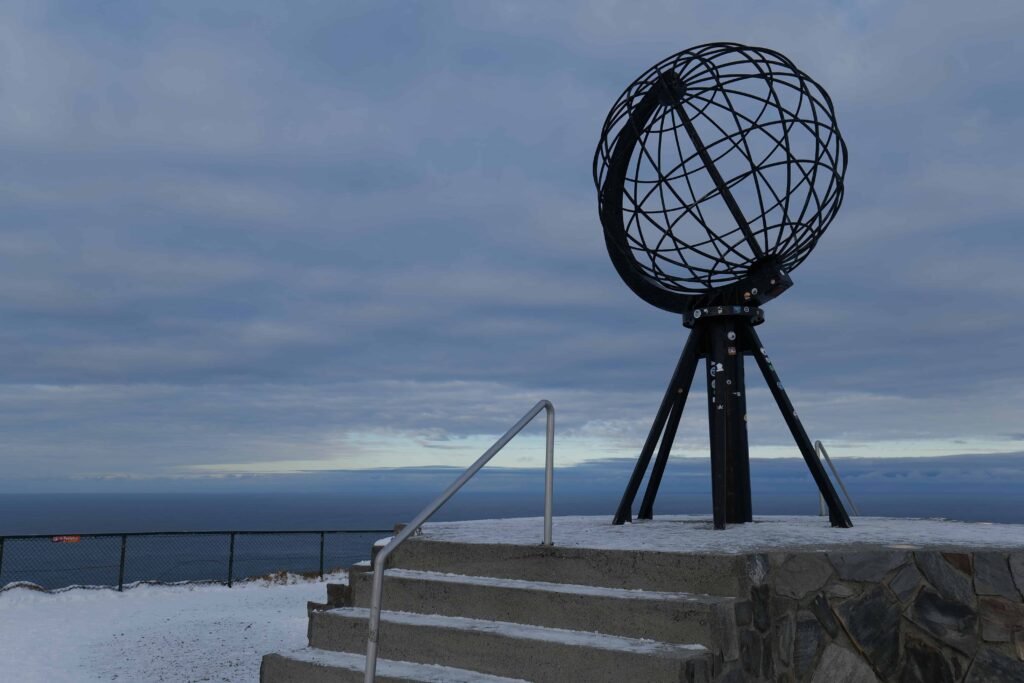
1. The Globe Monument
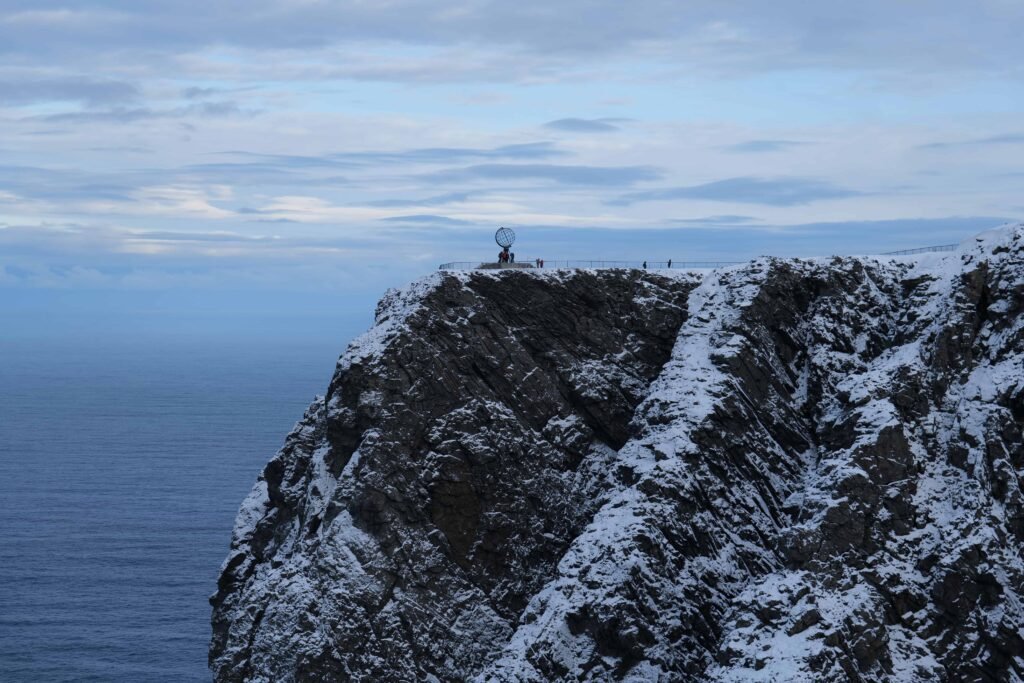
This is the iconic photo opportunity everyone comes for: the steel globe on the edge of the rugged cliffs, marking the symbolic northernmost point of Europe and Norway.
The Arctic scenery surrounding the globe is spectacular, the Barents Sea appears endless behind it, and the wind howls around you.
At this spot, it suddenly becomes clear why generations of travellers have flocked to this isolated clifftop in northern Norway!
Katie’s Top Tip: Although it’s tempting, don’t rush to the globe first. Instead, head inside North Cape Hall or explore more of the plateau before circling back. Most tourists will head to the globe as soon as they arrive, making it incredibly busy, but after a short time, you’ll have it almost entirely to yourself!
2. North Cape Plateau Viewpoints
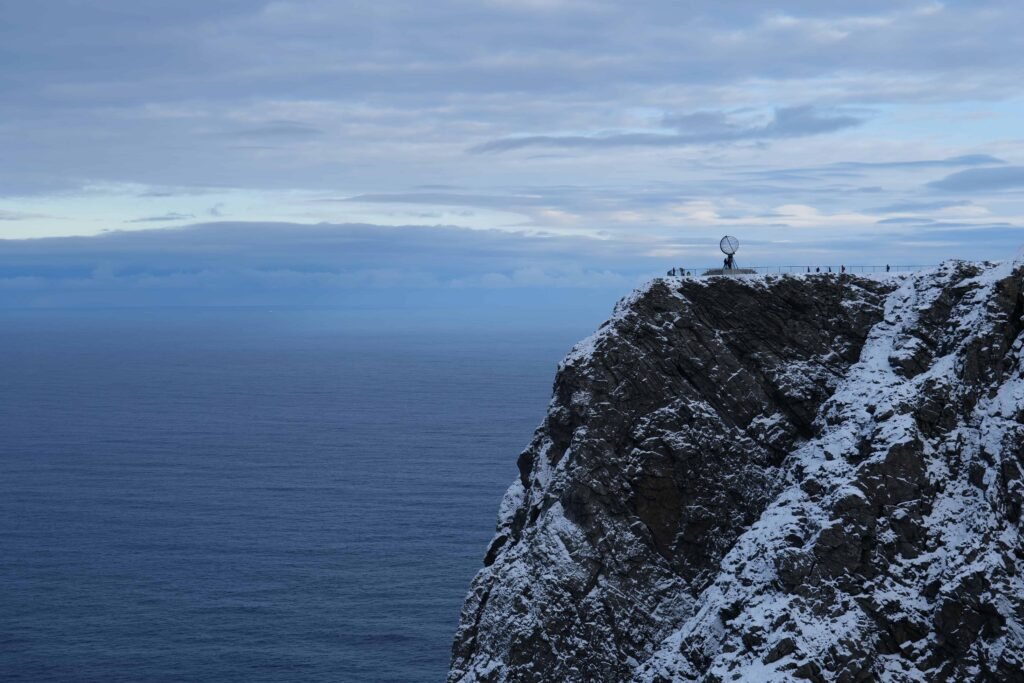
The best views at Nordkapp Norway aren’t actually from the globe itself.
Instead, there’s a short footpath leading away from the main viewing platform to the opposite cliff edge, and it’s genuinely the most stunning angle for photos!
A fellow photographer I met aboard Havila Voyages recommended it to me, and he was absolutely right that it’s something special.
It only takes a few minutes’ detour, but you’ll be rewarded with the perfect shot of the globe with the cliffs and the crashing sea behind it.
Plus, when I visited, there wasn’t a single other person down there!
Katie’s Top Tip: In winter, this little detour can look intimidating because the snow is so deep, but go slowly, plant your feet firmly and stick to the flattened path.
3. Sculptures at Nordkapp
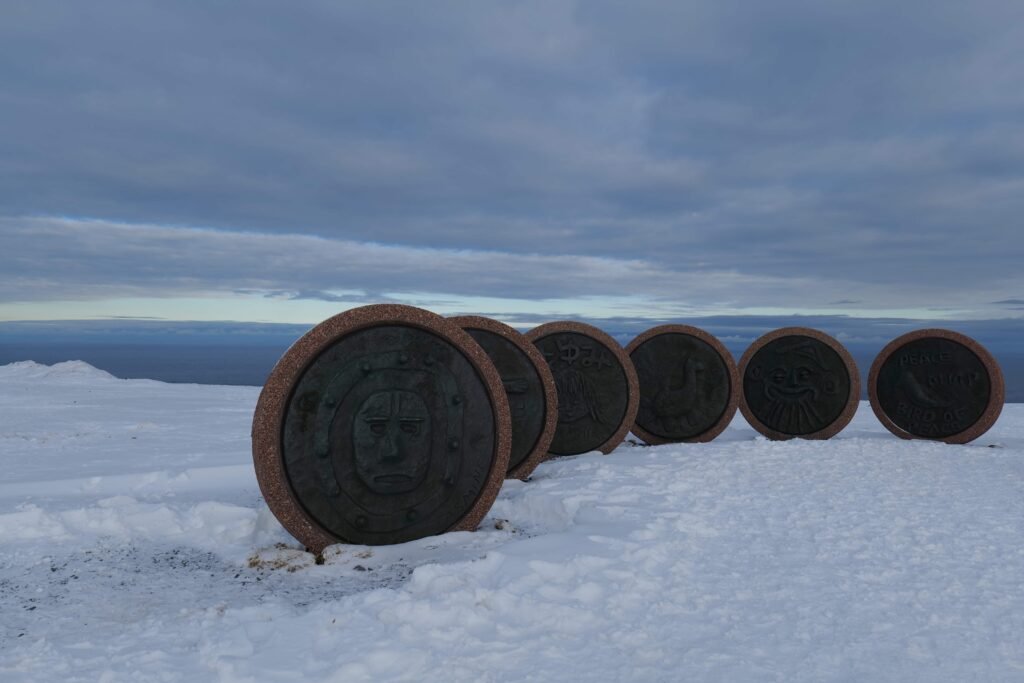
The “Children of the World” sculpture sits on the cliff to the right of North Cape Hall, and is a beautiful, quiet part of the site that many visitors miss.
The poignant sculpture was created by seven children from different countries (Tanzania, USA, Brazil, Russia, Thailand, Italy and Japan) and symbolises values like hope, joy and friendship.
There is also another statue here, of a mother and child, pointing towards the seven circular bronze discs. It is a tribute to global unity and children’s dreams for the future.
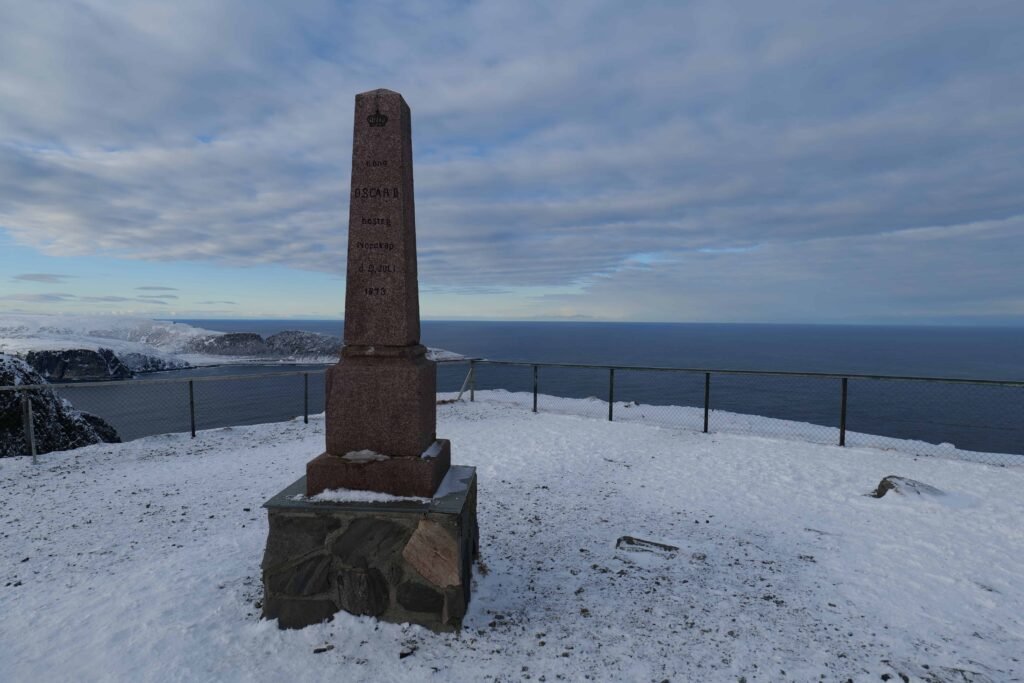
Another statue is a tall granite column that commemorates the 1873 visit of King Oscar II.
4. See Knivskjellodden – The Actual Northernmost Point of Europe
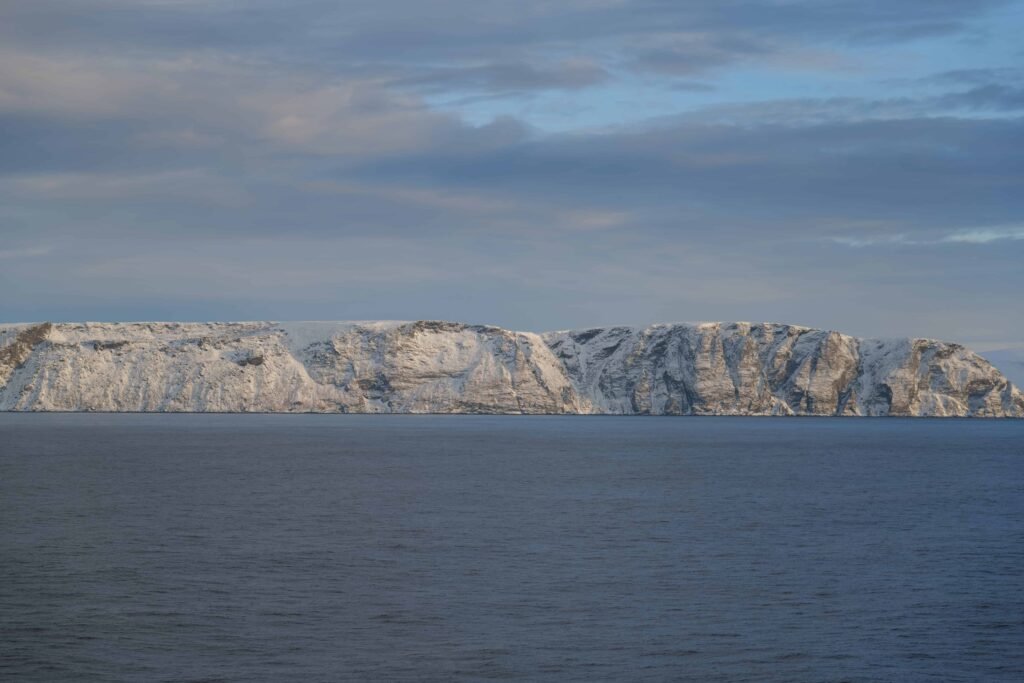
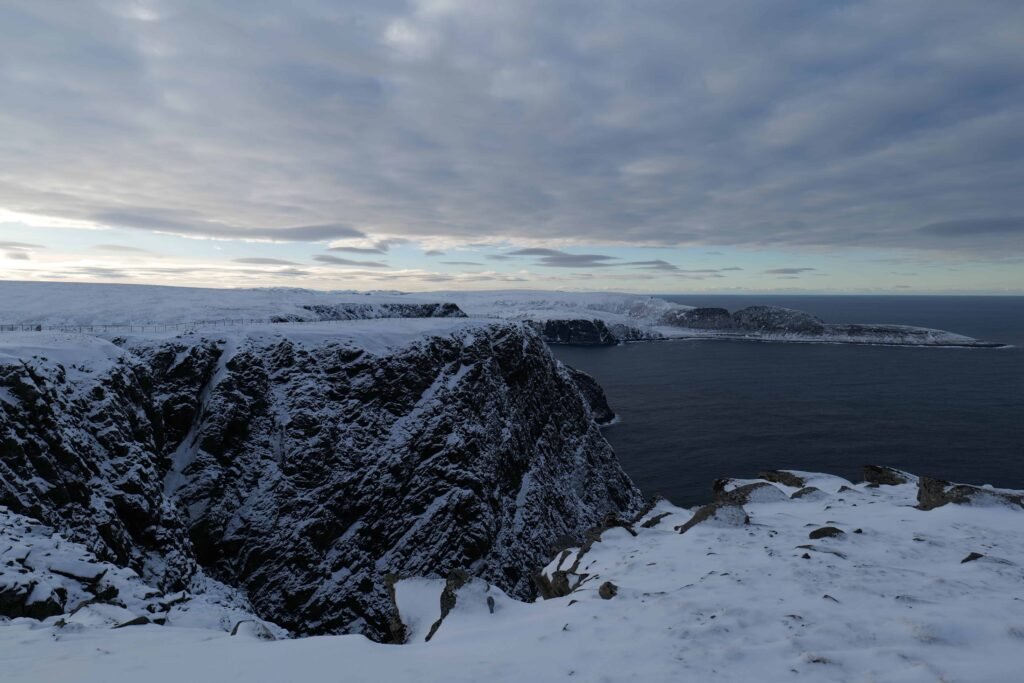
One thing a lot of people don’t realise is that North Cape isn’t technically the northernmost point of Europe – nearby Knivskjellodden is.
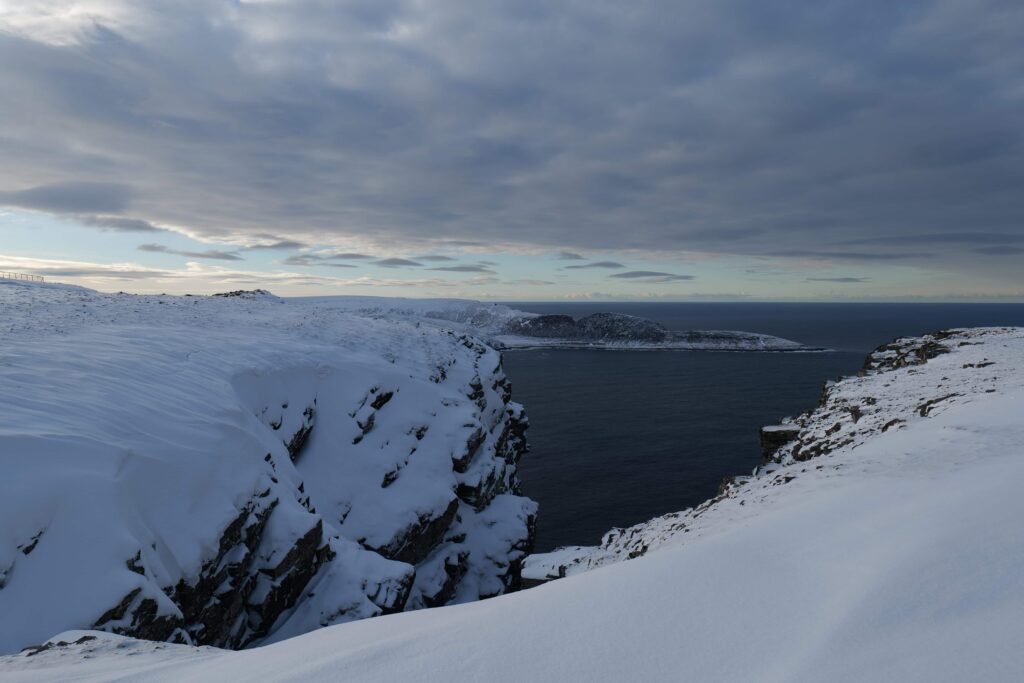
Knivskjellodden is a narrow peninsula that sticks out just a little further into the Barents Sea, and you can actually see it from the North Cape globe and surrounding viewpoints.
Alternatively, if you’re an experienced hiker, you could hike to Knivskjellodden in summer. But it’s a long (and very exposed) 7–9 hour round trip, with no facilities and uneven terrain.
5. The Northern Lights at North Cape
North Cape is a dreamy place to spot the Northern Lights dancing right over the Barents Sea, with no light pollution at all.
Plus, the location of the plateau means you get a huge open sky, which is perfect for aurora spotting!
The weather in Nordkapp Norway is famously unpredictable, but if you get a clear night, the aurora can be spectacular here. And there is a nighttime convoy to help you arrive safely.

6. Bird Spotting
If you’re visiting between May and August, the cliffs around Nordkapp turn into a bird-lover’s paradise!
Puffins, cormorants, fulmars and kittiwakes all nest in the cliffs surrounding Nordkapp, so make sure you bring binoculars or a camera with a good zoom lens!
If you’re travelling independently and really love wildlife, you could also combine your North Cape visit with a bird safari tour from Honningsvåg, alongside an expert guide.
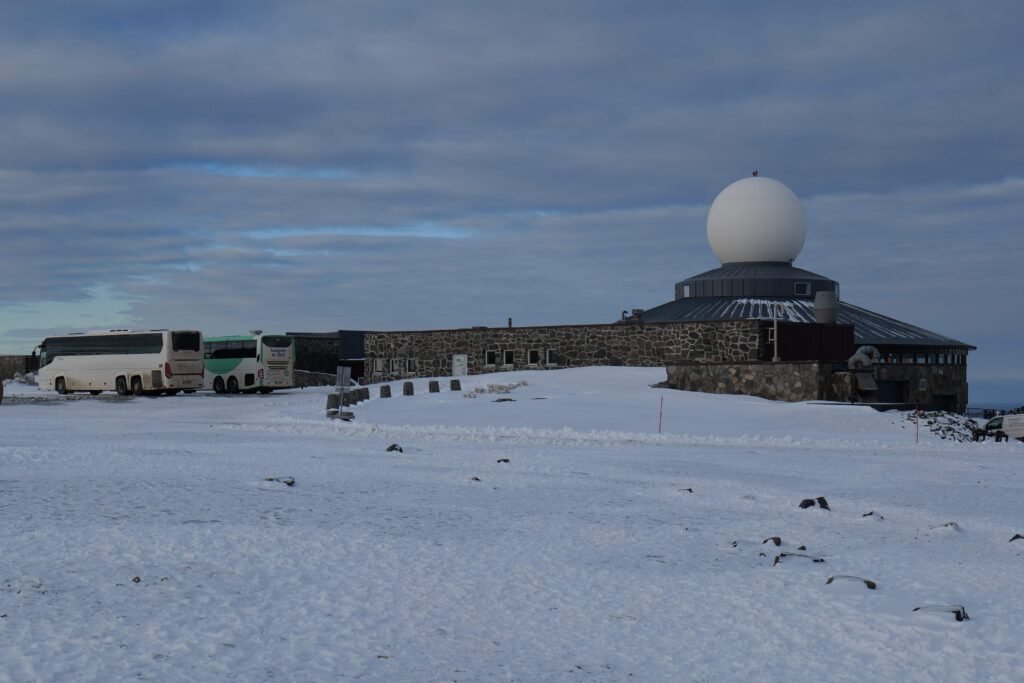
7. North Cape Hall Visitor Centre
A lot of visitors head straight for the globe and forget to visit the North Cape Hall.
Inside, you’ll find a spectacular film about the four seasons at North Cape, St. Johannes Chapel, a gift shop and café with incredible ocean views, and fascinating exhibits (located underground!) about North Cape’s history and famous visitors over the years.
It’s a great way to understand what North Cape Norway actually is, how local Sámi people live here on Magerøya island, and why this location became so symbolic in the first place.
Plus, thanks to North Cape’s often wild weather, it’s nice to escape the cold and wind!
8. St. Johannes Chapel
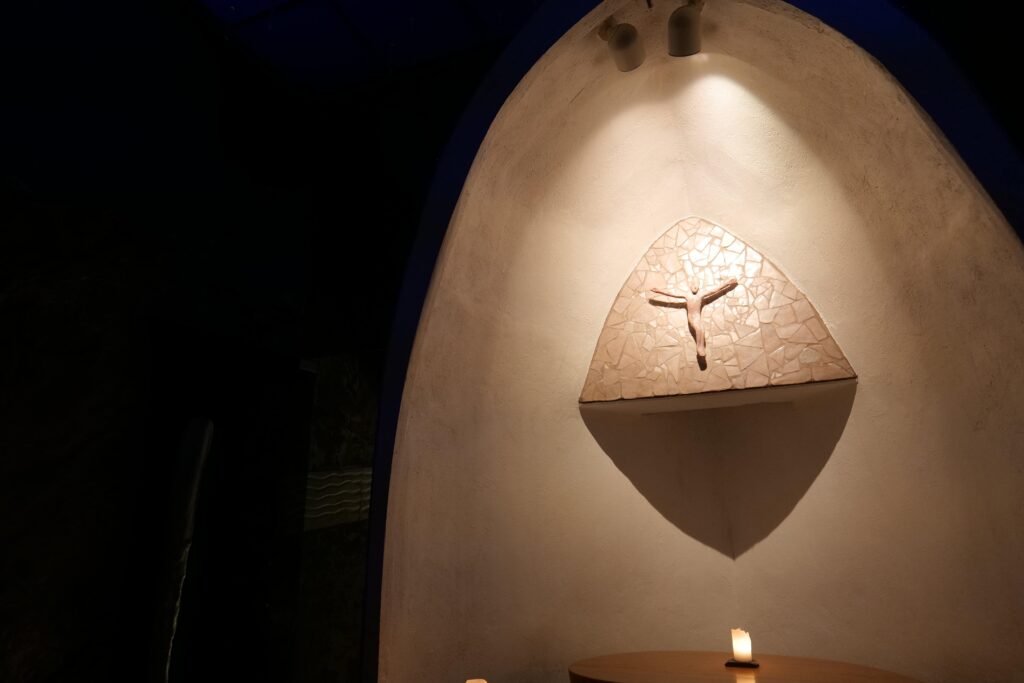
Tiny St. Johannes Chapel is located beneath North Cape Hall and is built into the rock. It’s also the northernmost ecumenical chapel in the world.
It’s small, quiet, and easy to miss if you’re rushing through the exhibits at North Cape Hall, but it’s one of the most peaceful and underrated things to do at Nordkapp!
This chapel is also a popular venue for weddings.
9. Café and Gift Shop
After braving the outdoor viewpoints, the café at North Cape Hall is a welcome, warm and cosy escape from the cold and wind, and offers spectacular sea views.
Prices are what you’d probably expect from a popular tourist attraction in Norway, but the hot chocolate and cinnamon buns are delicious!
Plus, the gift shop at North Cape is located right by the café and is huge.
Here, you can buy local crafts, outdoor clothes, postcards, chocolate, and every souvenir with “northernmost” on it you could imagine!
10. The Thai Exhibition
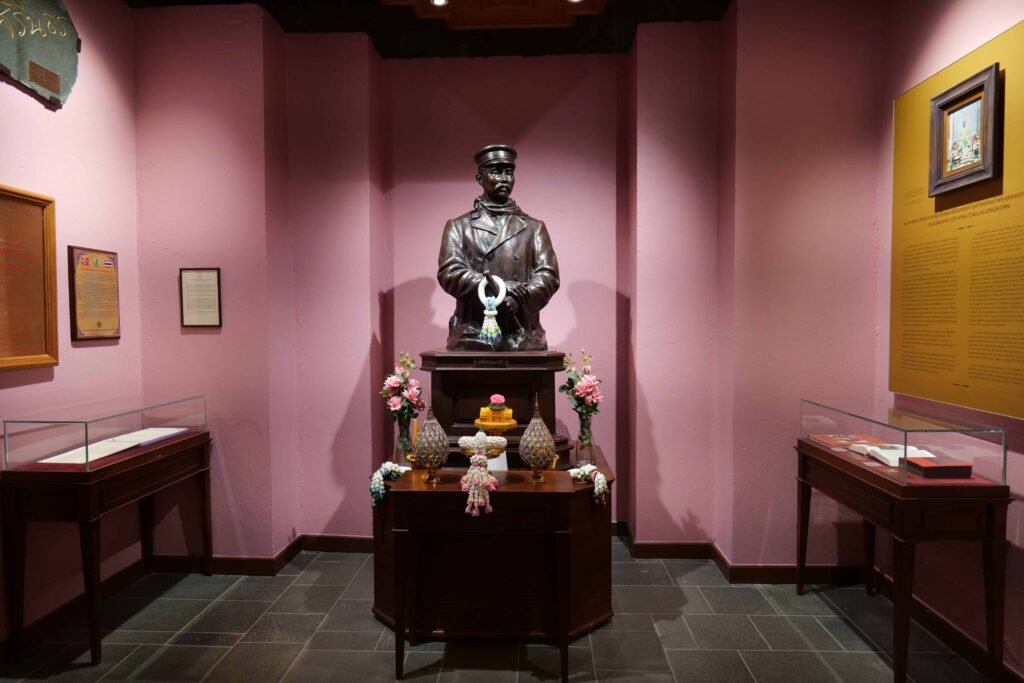
This small exhibition tells the story of the Thai King, Chulalongkorn of Siam’s visit to North Cape in 1907, which became a major moment in the history of the site.
It’s told through a series of photos and artefacts from his trip, and gives you a glimpse into the long connection between Norway and Thailand.
It’s a niche spot to visit, but absolutely worth a look! Plus, it was really quiet to visit.
11. North Cape Dioramas
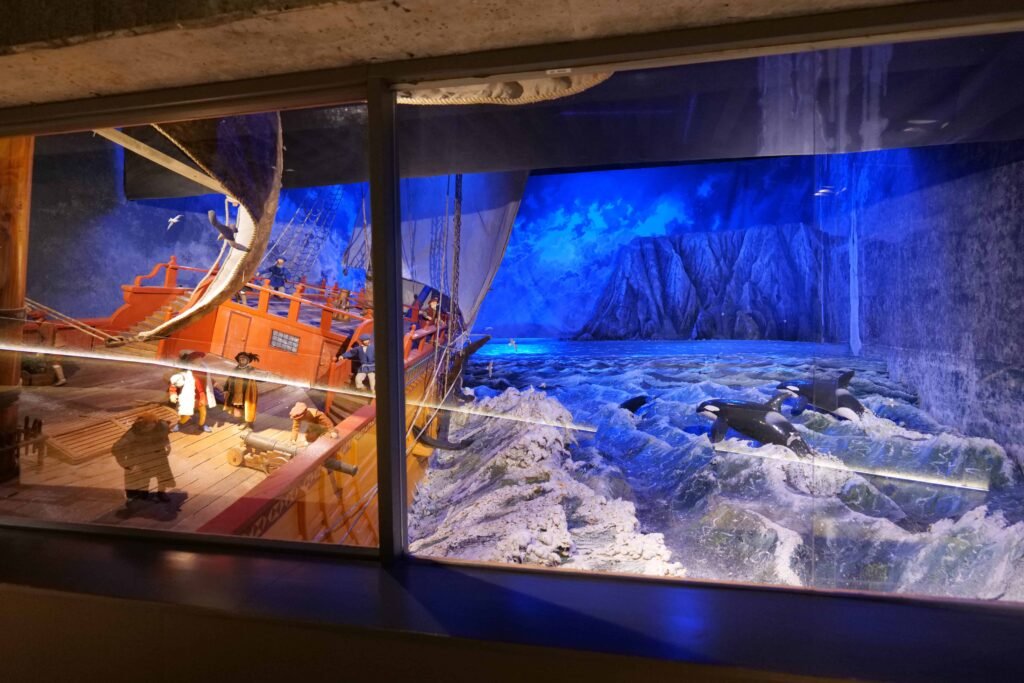
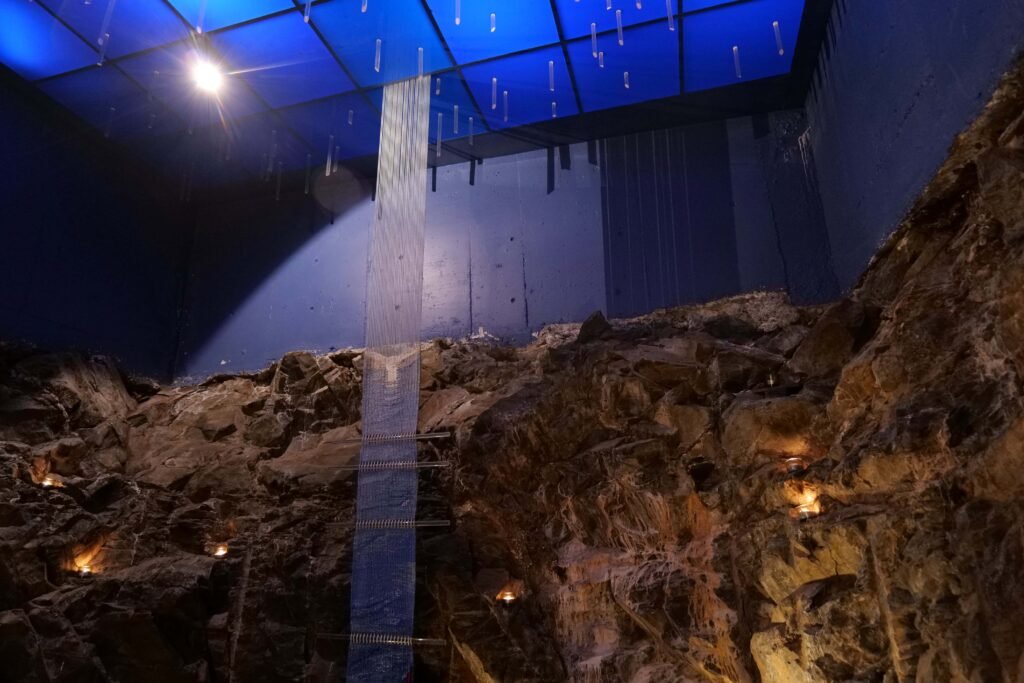
This spectacular 3D exhibit was one of my favourites in North Cape Hall, built right into the rock below the visitor centre.
Inside, it shows the wild history, weather and culture of Nordkapp, in a display that is both engaging and dramatic!
12. Cave of Lights
The Cave of Lights is a spectacular multimedia exhibit at Nordkapp, again built into the rock below the main visitor centre.
It simulates the Northern Lights and that unique Arctic light onto the wall, so you can feel totally immersed in some of North Cape’s best views (even if the weather isn’t behaving outside!)
13. Nordkapp Through the Seasons Panoramic Film
This spectacular, panoramic film was my favourite exhibit in North Cape Hall!
It’s beautifully shot and gives you a year-round look at Nordkapp’s weather, wildlife, changing scenery, and also the life of the traditional Sámi people in the remote Arctic.
If you’re visiting North Cape in winter, like I did, it gives you a glimpse of the Midnight Sun. And if you’re visiting in summer, you’ll see the snow-covered clifftops and Northern Lights.
It really helps you appreciate the ever-changing landscapes here, beyond just the season you’re visiting in!
The film starts every 15 minutes, so you never have to wait long, and it’s honestly so worth watching.
Nordkapp Entrance Fee + What’s Included
You must pay the entrance fee to visit inside North Cape Hall, which is currently 350 NOK (or approximately £26/$35/€30). This entry ticket is valid for 24 hours.
Your ticket gives you access to North Cape Hall and all its exhibitions, the chapel, and use of the toilets and on-site WIFI.
However, this cost does not include the small addition for parking if you come by car (charged per vehicle).
Or, if you’re visiting North Cape with a guided tour or with Havila or Hurtigruten, all entrance fees are already included in the excursion price.
You also won’t have to queue at the ticket office or worry about any extra costs, as you pick up your entry ticket onboard the ship the night before.
Visiting North Cape in Winter
Visiting North Cape in winter is when Nordkapp feels most remote and otherworldly!
The plateau becomes windswept and is covered in thick, untouched snow, with the wild Barents Sea pounding the rugged cliffs below your feet. And the Arctic light is just beautiful!
Winter is also one of the quietest times of year to visit North Cape, which means less fellow tourists in your iconic globe photos and more space to enjoy the exhibits in North Cape Hall.
But winter at North Cape also comes with a few harsh realities.
The weather is often brutal and ever-changing at this time of year, with strong winds, sudden snowstorms, and whiteout conditions that are normal in northern Norway.
Plus, the roads to Nordkapp can close with very little warning, and convoys led by a snowplough are often required for safe access to this remote spot in winter.
So, especially if you want to visit the North Cape independently, these unpredictable conditions can make things a lot more stressful than visiting in summer.
And then, of course, there’s the infamous wind! North Cape is very remote and exposed to the Barents Sea, so strong, biting winds are common here.
But honestly? For me, these tougher conditions made the moment I finally stood at the edge of the North Cape plateau even more rewarding – and like I was actually standing at the edge of the world!
Katie’s Top Tip: If you’re nervous about winter driving, book a guided tour or an excursion with Havila or Hurtigruten. They handle all the logistics, tickets, convoys, and weather calls for you, which removes all the stress!
Best Time to Visit North Cape
A lot of people ask me about the best time to visit North Cape, but the truth is, every season gives you a completely different (and beautiful!) experience.
I personally visited Nordkapp in winter, which I loved for its dramatic beauty, snowy scenery and quieter viewpoints, but your ideal timing depends on what you want out of your trip.
Winter in North Cape (November–March)
Visit Nordkapp in winter for the ultimate Arctic experience!
You’ll get thick snow, wild seas, short days (or complete polar night), a chance to see the Northern Lights, and a real feeling of being on the edge of the world.
But it’s also the least reliable season for actually reaching Nordkapp at all, due to last-minute closures and dangerous road conditions.
Spring in North Cape (April–May)
The snow is still present in Spring, but the days start to lengthen again as Nordkapp prepares for the arrival of summer.
This is a lovely shoulder season with more daylight, fewer visitors, and a good amount of winter scenery (especially in early spring) without the full harshness and darkness of mid-winter.
Road openings and weather conditions become more consistent, but closures can still happen.
Summer in North Cape (June–August)
Summer is the easiest and most reliable season to visit Nordkapp.
Roads stay open, the North Cape latitude means 24 hours of daylight, and the Midnight Sun is such an amazing experience! Plus, this is also the season when the surrounding cliffs come alive with seabirds, which is perfect if you’re into birdwatching!
The one main downside to summer at Nordkapp is that it’s a lot busier with both independent tourists and tour buses.
Autumn in North Cape (September–October)
Autumn is a really underrated time to visit Nordkapp.
The summer tourists leave, so it’s a lot quieter, the autumn light is truly spectacular, and you’ll still have enough daylight for sightseeing as well as the return of the Northern Lights.
But, like in winter, the weather can be very hit-or-miss at this time of year.
Katie’s Top Tip: If your heart is set on visiting the plateau with the highest chance of success, go in summer for the beautiful Midnight Sun. But if you want the ultimate Arctic experience with dramatic scenery and snow, winter is a dream!
Nordkapp Norway Weather
Nordkapp’s weather is extreme. You’re at a latitude of 71°N, right at the edge of northern Europe, and the weather behaves exactly like you’d expect it would from its Arctic location!
It’s unpredictable and wild, but honestly, part of what makes the experience unforgettable.
In winter, expect strong winds, storms, heavy snow, ice, and freezing temperatures. (Even when I visited in March, arguably on a good weather day, the wind chill was still intense!)
Plus, due to its isolated island location, the weather changes fast, and heavy snow is common, which is why convoys are often necessary, and road closures are frequent.
In summer, things calm down a lot, though. You’ll still get the wind, but temperatures are milder, and weather conditions are a lot more stable.
This is also the season with the most consistent access to North Cape, so if you have your heart set on visiting and would be upset over a cancelled tour, this is the season for you.
Katie’s Top Tip: No matter what season you’re visiting Nordkapp, plan for wind! Even in summer, the plateau’s exposed location means fierce winds (and colder temperatures due to wind chill) are common.
What to Pack for Nordkapp in Winter
When you’re visiting North Cape in winter, packing smart is the difference between enjoying the scenery and iconic globe, and just counting down the seconds until you can get inside!
These are some things you must pack to visit North Cape in winter:
- A properly insulated, waterproof and windproof winter jacket
- Thermal base layers (top and bottom)
- Thick, warm socks (and a spare pair in your bag)
- Waterproof, insulated boots with good grip
- A hat that actually covers your ears
- Gloves that let you use your phone/camera
- A neck gaiter or scarf
- Slip-on crampons
Regardless of the season, you should always pack a windproof outer shell.
Katie’s Top Tip: If you’re travelling to Nordkapp on Havila or Hurtigruten, I have a full post on exactly what to pack for the Norway Coastal Express in winter, based on my experience!

So, Is North Cape Worth Visiting?
Yes, I think North Cape is absolutely worth visiting at least once on your travels through northern Norway!
(And no, I’m not just saying that because it’s the northernmost point or because you’ve seen the famous globe all over Instagram.)
For me, Nordkapp ended up being one of the highlights of my trip on the Coastal Express in winter because of the incredible Arctic scenery, the wild Barents Sea crashing below, and the unique feeling like you’re at the edge of the world!
And trust me, when I visited Nordkapp, I went in with seriously low expectations.
I genuinely thought I’d just see a globe, grab a quick selfie and a few photos, and then have nothing to do for the rest of the (expensive!) excursion, before heading back to the bus.
But I was so wrong about all of that!
From the poignant sculptures and fascinating North Cape Hall exhibits, to the café serving delicious hot chocolate and the lesser-known Nordkapp viewpoints, there is so much to do at North Cape that makes it a worthy addition to your northern Norway itinerary!
North Cape, Norway FAQs
Is North Cape really the northernmost point of Europe?
No. The northernmost point is actually nearby Knivskjellodden, which you’ll see from the viewpoint, is a narrow peninsula that sticks out slightly further north than Nordkapp. But it requires a long hike to actually reach it.
Nordkapp is the most accessible northernmost point you can realistically visit in Europe, which is why it’s recognised as the “top of Europe.”
Is the Nordkapp entrance fee worth it?
Nordkapp is expensive, but yes, I think it’s worth it for the once-in-a-lifetime experience of standing at the edge of Europe.
Your fee includes access to the visitor centre, exhibitions, panoramic film, and facilities, plus the globe, sculptures and viewpoints outside.
The money you pay to visit goes back into keeping this historic site accessible and safe for all.
How long do you need at North Cape?
I would recommend you spend at least 1-1.5 hours at Nordkapp. This gives you enough time to explore the visitor centre, see the panoramic film, and take photos at the globe and surrounding viewpoints.
Then you also need to factor in travel time, with the drive from Honningsvåg taking between 45-90 minutes, depending on weather and whether you need a convoy.
Can you visit North Cape independently?
Yes, you can absolutely visit Nordkapp on your own, especially in summer when the roads are accessible. You can drive your own car, rent a car from Honningsvåg, or take the public bus.
However, in winter, I would recommend you book a guided tour or an excursion with Havila or Hurtigruten, as access is often controlled by convoy due to severe weather conditions.
Is North Cape accessible in bad weather?
Sometimes, but not always. Winter storms, ice, thick snow and extreme winds can close the road (and therefore all access) to Nordkapp.
In winter, access to Nordkapp is usually only possible by escorted convoy, and even those can be cancelled at short notice.
Are there things to do at North Cape besides the globe?
Yes! The globe may be the iconic photo opportunity, but it’s definitely not the only thing to do at North Cape.
Nordkapp also has an incredible panoramic film to watch, fascinating exhibitions, the St. Johannes Chapel, a café with stunning sea views, and other viewpoints overlooking the dramatic cliffs.
What should I wear to visit North Cape in winter?
Layers and windproof clothes are essential for visiting Nordkapp in winter.
The plateau is exposed to wind, meaning that even on a good day, it feels far colder than the temperature number suggests.
I recommend you wear thermal base layers, a proper waterproof and windproof coat, a wool or fleece mid-layer, a hat, a neck gaiter, touchscreen gloves, and insulated snow boots.
I’ve written a full winter packing list for the Norway Coastal Express.
Can you see Northern Lights at North Cape?
Yes, especially from late September to late March. The plateau has wide open skies and is far from light pollution, making it a great aurora spot if the weather allows. However, storms and cloud cover are also common here, so it’s never guaranteed.
Is North Cape safe for tourists?
Yes, North Cape is safe for tourists, but there are some things you need to be aware of.
Nordkapp is very well-managed, well-signed, and there is also a strong staff presence making sure the roads and pathways remain safe.
Winter in Nordkapp brings the biggest safety concerns, with strong winds, icy paths, and thick snow. So make sure you stick to the paths, have good footwear and follow advice from staff.
And then the road to Nordkapp is the other safety consideration. In summer, it’s straightforward, but in winter, it’s often convoy-only and sometimes closes entirely.
Read More About Travel in Norway:
- Northbound vs Southbound Norway Coastal Express: Compared
- What to Wear in Norway in Winter? (+ Norway Packing List)
- How to Plan a Trip to Norway in Winter (Step-by-Step Guide)
- Norway vs Iceland in Winter: Ultimate Solo Travel Comparison
- Where to Stay in Bergen (+ Best Areas For Solo Travellers)
- Where to Stay in Tromsø (+ Best Areas For Solo Travellers)
- Hurtigruten vs Havila: Which is Best For Solo Travellers?
- Is Saltstraumen Worth Visiting from Bodø? (+ What to Expect)
- How to Get Around Norway in Winter (Without a Car!)
- How to Visit Trollfjord: Northern Norway’s Most Iconic Fjord
- How to Visit Mostraumen Fjord (Bergen’s Best Day Trip!)
- 7 Things To Do in Hammerfest (Hammerfest Travel Guide)
- Mount Aksla Hike: How to Find the Best Ålesund Viewpoint
- 8 BEST Things To Do in Brønnøysund, Norway: Havila Port Stop
- 21 Most Beautiful Places in Norway You Have To Visit
Grab Your Solo Female Travel in Europe Starter Kit:
Pin Me For Later!

Share This Ultimate North Cape Travel Guide:


So many good tips in this article, thanks for sharing! I had seen pics of the globe before, but didn’t know what else was there in North Cape.