
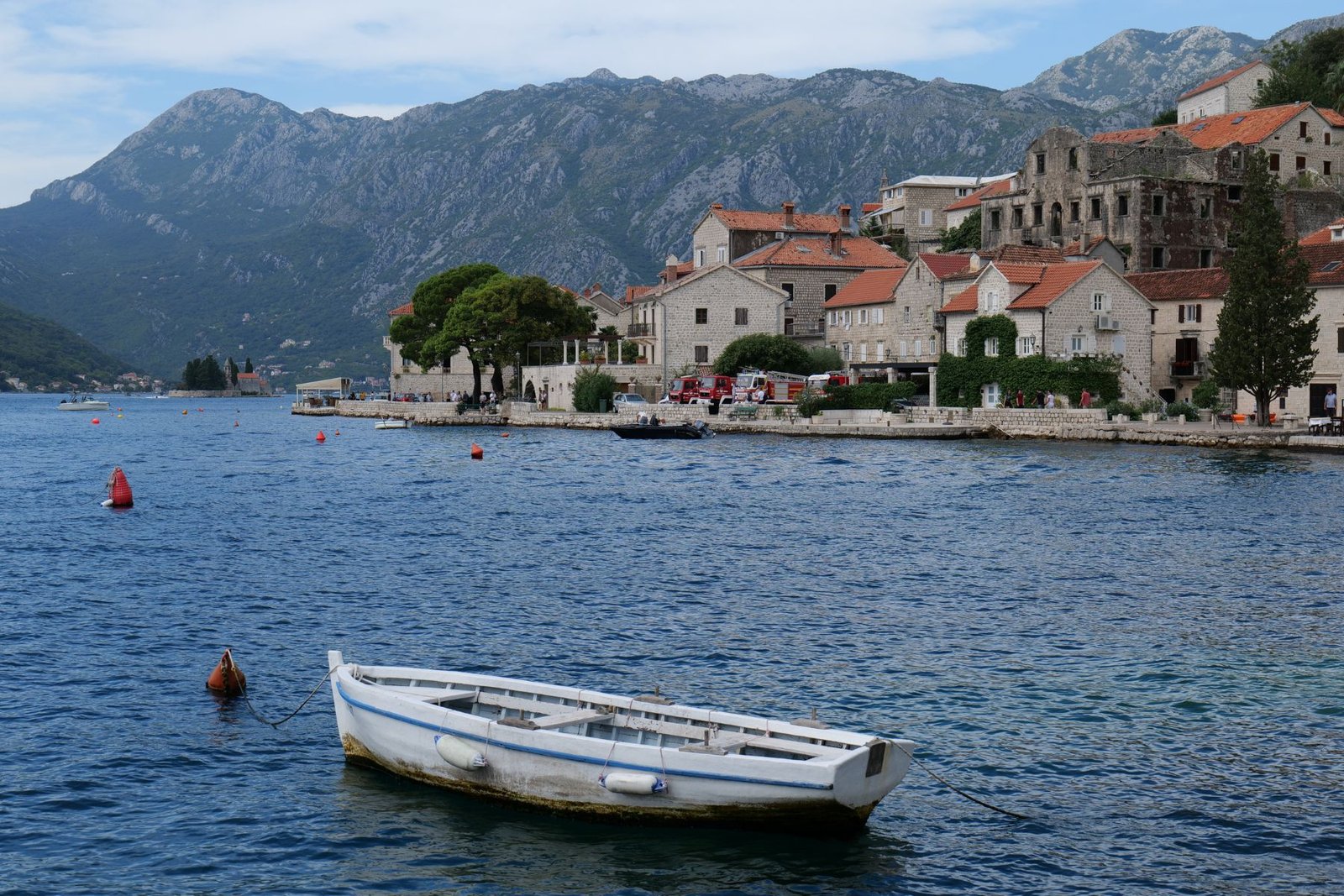
The BEST Time to Visit Montenegro Without the Crowds (2026)
Choosing the best time to visit Montenegro feels kinda overwhelming, right?
Especially when you’re picturing swimming in sparkling blue water or wandering peaceful medieval streets… and then you hear the summer horror stories of crowds and heat!
I know, because I stressed about it a lot!
Montenegro had been my dream destination since I was a kid, watching a show about Kotor on TV, and wholeheartedly believing it was a real-life fairytale.
Even back then, I dreamed of travel and fell in love with the old stone villages, stunning bay, and yes – the ridiculously adorable resident cats!
So when I finally had the opportunity to plan my first ever solo trip to Montenegro in 2023, there was A LOT of (self-imposed!) pressure to get the timing right.
I wanted warm enough to swim, sunny but not boiling hot, and busy enough to feel safe but not over-crowded.
So in this post, I’ll break down what each season is really like, the months I’d personally avoid, and why I chose September as my sweet spot – so you can decide what time is best for your trip!
The Best Time to Visit Montenegro (My Pick)
Mid to late September is, in my experience, the best time to visit Montenegro.
You still get summer weather – warm, bright and perfect for swimming or sightseeing – but without the intense heat, inflated prices and overwhelming crowds of peak summer.
In September, the average temperature fluctuates between 26°C (79°F) and 17°C (63°F), and on my trip, I experienced an average of around 21°C – perfect for sightseeing!
I was able to explore Kotor’s beautiful old town without melting, enjoy lunches and dinners outside, and actually sleep comfortably at night.
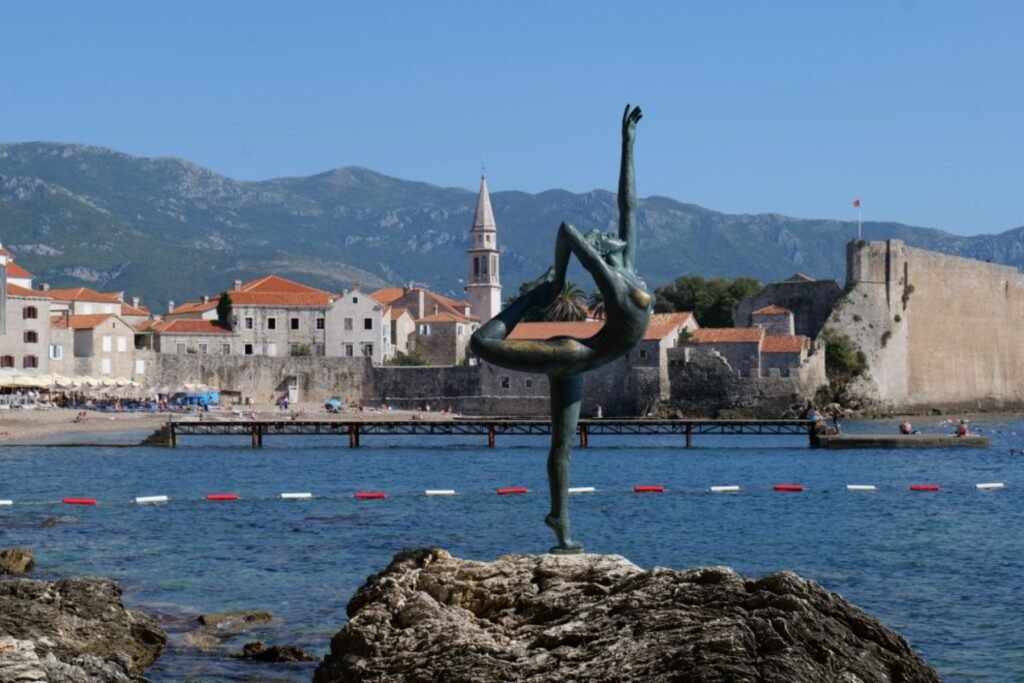
I also had sunshine every day, and the sea was still warm enough to swim when I took the most beautiful boat trip around the Bay of Kotor! (A real bucket-list moment!)
What I loved the most about visiting Montenegro in late September, though, was how it felt.
The streets were lively but not overwhelmingly busy, everything was still open (restaurants, tours, boat trips, etc), and prices were more reasonable than in high summer.
And as a solo female traveller in Montenegro, that really mattered to me.
It’s so much easier to enjoy your trip and feel calm and confident when you’re not constantly navigating crazy crowds and overwhelming heat!
Katie’s Top Tip: For the best balance of good weather and fewer crowds, aim for mid to late September, not the very start of the month.
Montenegro in Spring (March–May)
Spring is one of Montenegro’s most underrated seasons!
From March to May, Montenegro starts to wake up after the slow winter season, but without the crowds and heat of the peak summer months.
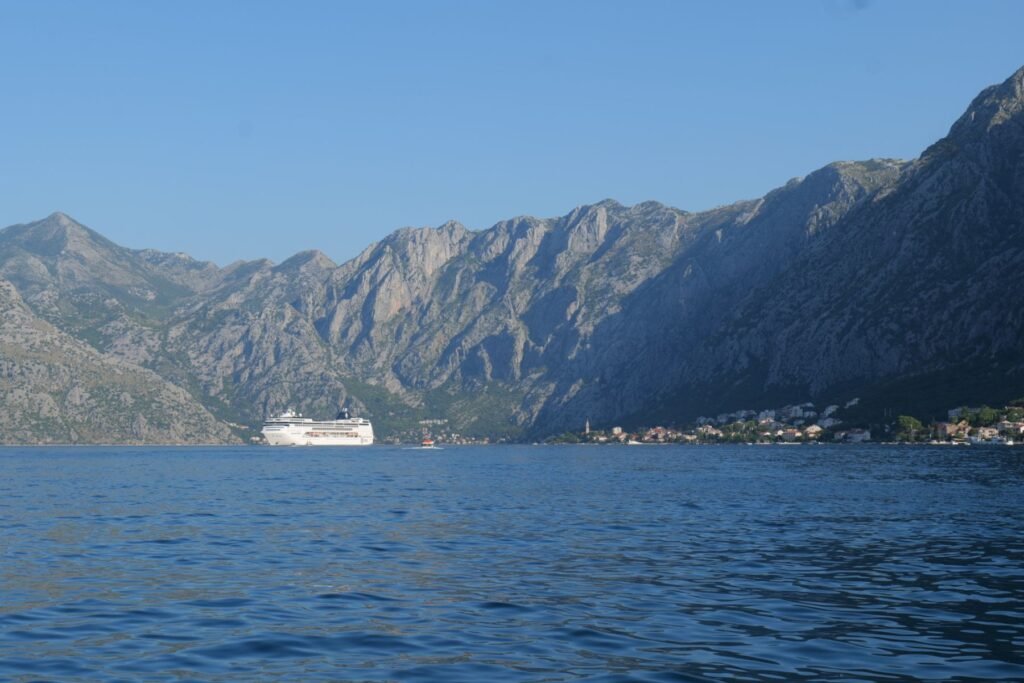
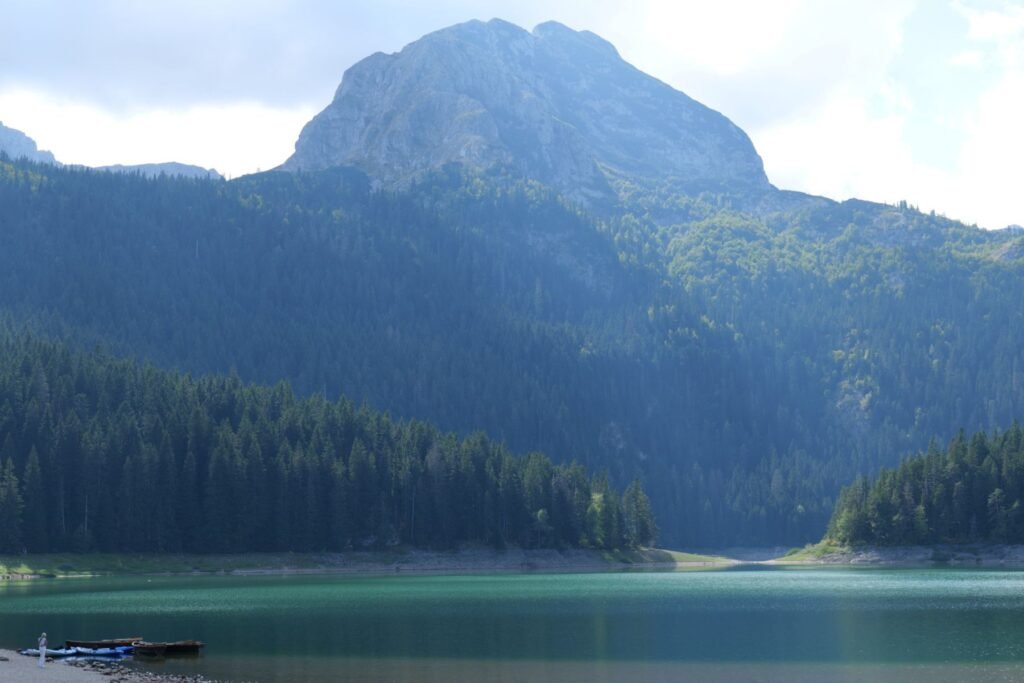
The coast warms up first, with popular places like Kotor, Budva and Perast enjoying longer sunny days, while the inland mountains (like Durmitor National Park) stay cooler for longer.
You’ll notice big temperature differences depending on where you are, with coastal towns that feel mild and inland areas that still feel chilly (especially in early spring).
In terms of weather, expect a mix of sunshine and light rain.
And as for crowds, March is still very quiet, in April the tourism industry slowly starts to wake up, and in May the streets feel lively without being overcrowded.
As a solo traveller, spring is a sweet spot for crowds, where towns are busy enough to feel comfortable, but calm enough to travel at your own pace without overwhelm.
Katie’s Top Tip: Spring is not quite reliable beach weather yet, but it is perfect for exploring old towns, hiking, boat trips around the Bay of Kotor, and sightseeing without the overwhelming summer crowds!
Montenegro in March
March is Montenegro’s calmest and quietest spring month.
Average temperatures sit around 5–13°C (or 41-55°F), with cooler temperatures inland.
You’ll get a mix of sunshine and rain, with March being one of the wetter spring months in Montenegro – an average of 7.8cm of rain falling in Kotor, for example.
However, rain does usually fall as spring showers in March, rather than an all-day washout.
Swimming isn’t realistic yet (the Adriatic is still very cold!), but it is the perfect month for old town sightseeing!
Kotor, Budva and Perast feel very peaceful, hiking trails are quiet (and the surrounding scenery is lush/green), and accommodation prices are some of the lowest you’ll see all year.
What’s good about Montenegro in March:
- Quiet streets and very few tourists
- Great weather for walking, hiking and sightseeing
- Lower accommodation prices and more choice
- A more relaxed, local feel
Things to consider:
- The sea is too cold for swimming
- Some tours and restaurants may still be limited or closed
- Rain is more common in March than later in spring
Katie’s Top Tip: Base yourself in Kotor for the best weather on the coast and then plan day trips around the weather. And if rain is forecast, don’t worry, Kotor has some great museums and cafes to enjoy indoors!
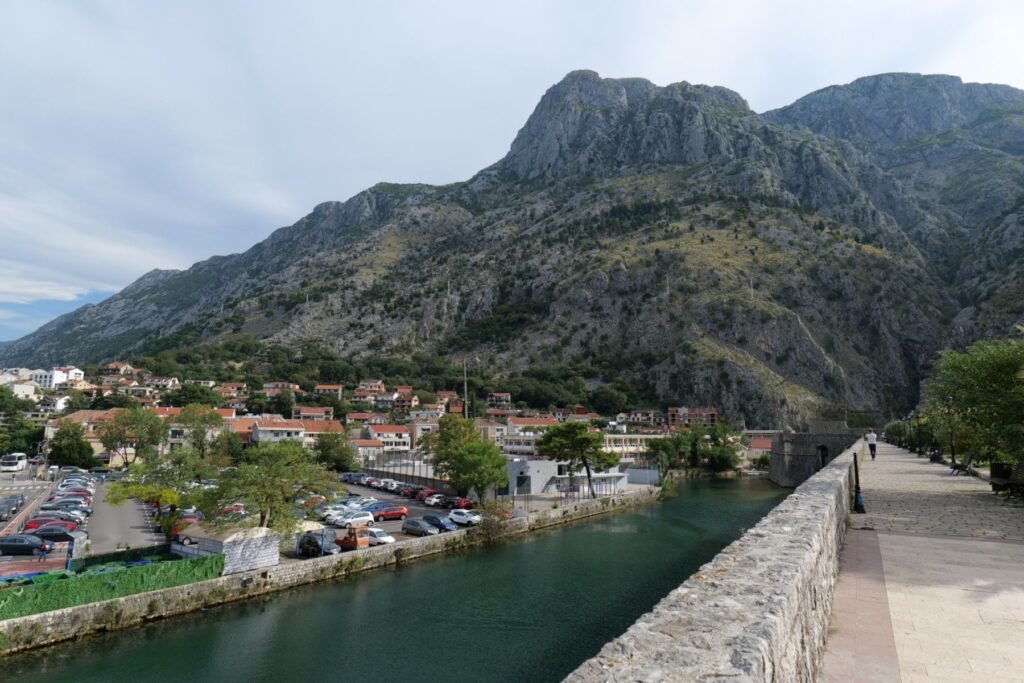
Montenegro in April
April is when Montenegro’s tourist industry starts to wake up again after the winter.
Average temperatures climb to 10–18°C (or 50-64°F), which makes a noticeable difference compared to March, both along the coast and inland.
Plus, daylight hours are continuing to lengthen throughout April, as summer approaches.
Sunshine is also more reliable in April, and rainfall drops a little compared to March – an average of 7.5cm falling in Kotor, for example.
This is a great month for active exploring in Montenegro, with most hiking trails open, the restarting of boat tours on the Bay of Kotor and the coastal towns coming back to life!
The sea is still cold, but if you’re brave, you could attempt a dip towards the very end of April (although I’d personally wait!)
What’s good about Montenegro in April:
- Comfortable temperatures for sightseeing
- More tours, ferries and restaurants are reopening
- Lush, green landscapes after the winter rain
- Still lower levels of crowds
Things to consider:
- The sea is still too cold for proper swimming
- Evenings are still cool, so pack and dress in layers
- The weather is not reliable and varies a lot by day
Katie’s Top Tip: April is perfect for combining coastal and inland adventure travel. Combine a coastal stay in Kotor or Budva with a visit to Lovćen National Park or Durmitor National Park to enjoy hiking!
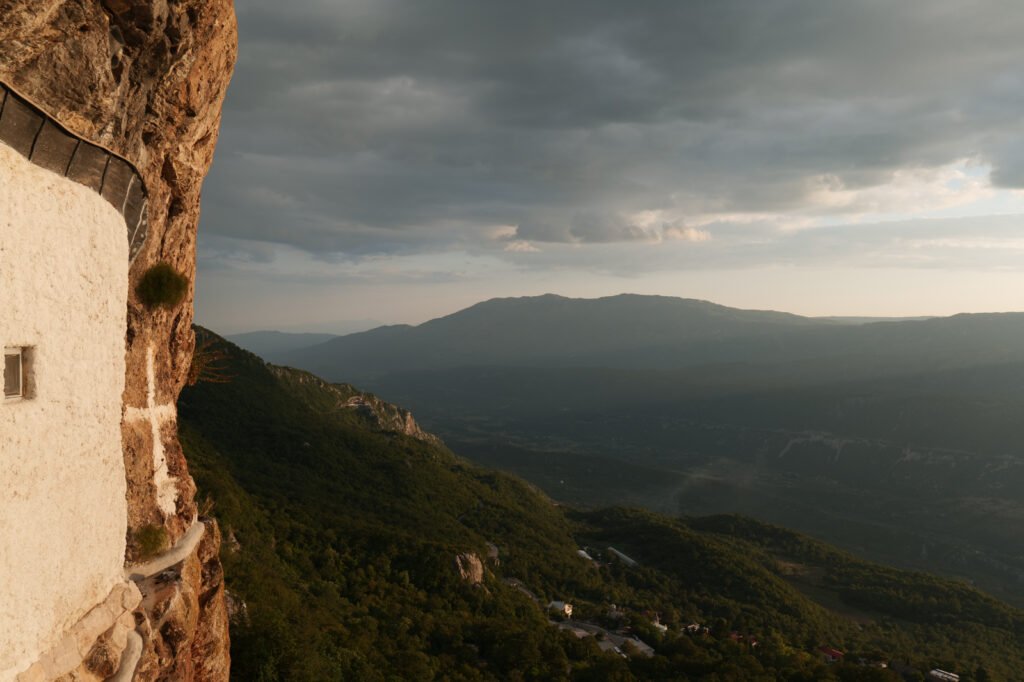
Montenegro in May
May is when the weather in Montenegro starts to feel more summery!
Average temperatures are around 15–23°C (or 59-73°F), the sun is stronger but not overwhelmingly hot, and the humidity is still low compared to peak summer.
However, there is a slightly higher average rainfall in May, at around 9cm falling in Kotor.
But the coast, especially, is warm and bright during the day, while evenings are pleasant, but you’ll still need to dress in layers.
And by late May, the sea is just warming up enough for comfortable swimming.
Plus, everything is open by now: boat tours, bars, guided tours and even seasonal ferries!
There’s a noticeable buzz and energy to the streets, but it hasn’t tipped into the peak-season busyness I actively tried to avoid when deciding the best time to visit Montenegro.
What’s good about Montenegro in May:
- Warm, sunny days with low humidity
- Swimming becomes possible by late May
- All tourist attractions (boat tours, National Park tours, bars) are back up and running
- Longer daylight hours for exploring
Things to consider:
- Prices start rising towards the end of the month
- Popular spots (like Kotor) get a lot busier on sunny weekends
- The sun is getting stronger, so don’t forget to seek shade and apply SPF
Katie’s Top Tip: If swimming matters to you, aim to visit Montenegro in late May and stick to the more sheltered bays around Kotor and Budva (e.g. Mogren Beach) as the water warms there first.
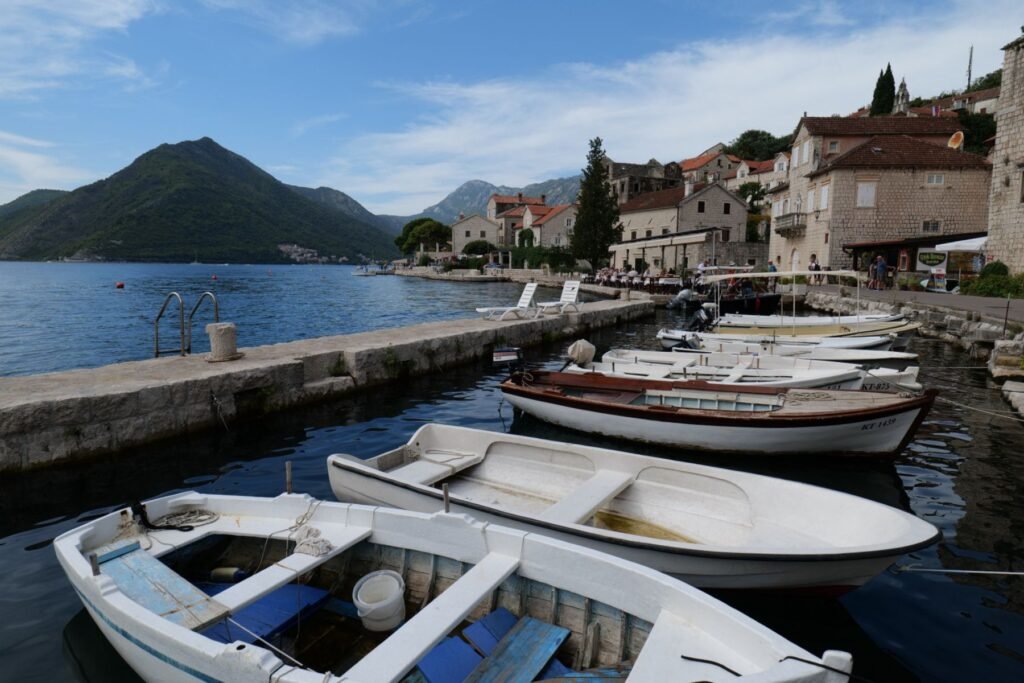
Montenegro in Summer (June–August)
Summer in Montenegro is stunning, especially on the coast – with hot and sunny weather, bright and long days, perfect temperatures for swimming, and a lively atmosphere!
In coastal towns like Kotor, Budva and Perast, expect strong sunshine, hot temperatures, high UV levels and high humidity – especially in July and August.
Rainfall and cloudy days are low, which is great for the beach, but also means heat can feel intense, as there is very limited shade on beaches and in Montenegro’s old towns.
On the other hand, inland and mountainous areas offer cooler temperatures and relief from the high heat and intense crowds flocking to the coast.
Places like Durmitor National Park or Lovćen National Park stay greener, fresher and cooler.
Summer is also when Montenegro is fully open for tourism, with all boat tours running, buzzing beach bars in Budva, hiking trails open, and full schedules of ferries and buses.
But it’s also when prices peak, and cruise ship arrivals are at their highest in Kotor.
If you’re deciding the best time to visit Montenegro, summer can absolutely be a good season, but only if you understand that the experience is vibrant, social, busy and hot.
Katie’s Top Tip: In summer, where you stay matters more than any other season. I recommend booking accommodation with a private outdoor space (a balcony, garden or terrace), so that you can retreat from the crowds if you want to.
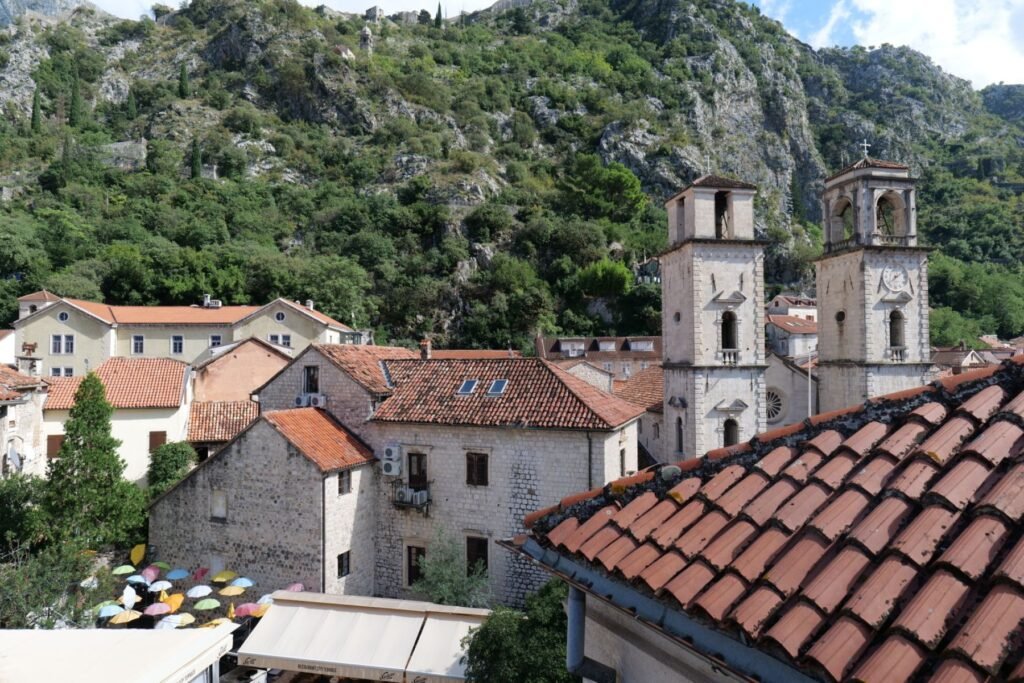
Montenegro in June
June is the quietest and most comfortable summer month in Montenegro, so if you’ve got your heart set on travelling in summer, this is the month I’d recommend.
Average temperatures in Kotor are around 18–28°C (or 64–82°F), which is warm enough to swim, enjoy beach days and sightsee – without the overwhelming heat of late summer.
Sunshine is consistent, and rainfall is low, and the Adriatic Sea has warmed up enough by now for enjoyable swimming in the bay!
Cruise ships do start arriving more regularly in June, but the numbers are still more manageable than peak summer (especially if you visit Montenegro in early June).
This balance is great if you want to enjoy Montenegro’s vibrant summer energy without the overwhelm of July and August!
What’s good about Montenegro in June:
- Warm but manageable temperatures
- The sea is perfect for swimming
- Fewer cruise ships than in July/August
- All tours, ferries, and beach bars open
- Long daylight hours
Things to consider:
- Prices start rising mid-month (especially for accommodation)
- Popular beaches, like Mogren Beach in Budva, get a lot busier by late June
- The sun is strong, and shade is limited, so make sure to plan for time out of the heat
Katie’s Top Tip: If June is your dream month, aim to visit in early June if possible. You’ll still enjoy summer weather, but with slightly fewer crowds and less heat than later in the month or July/August.
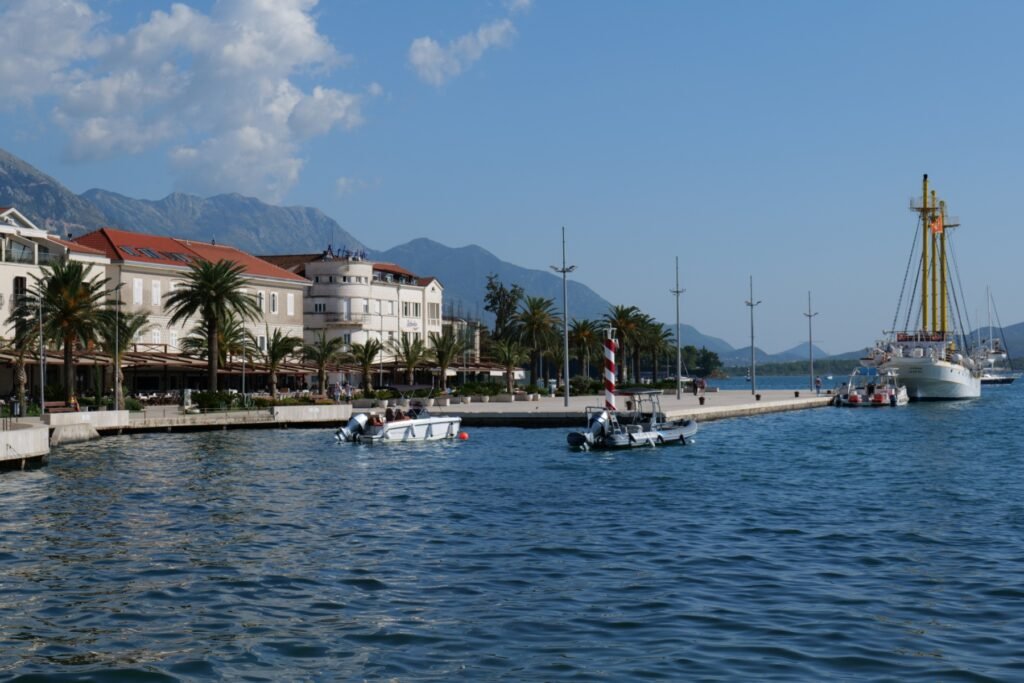
Montenegro in July
July is Montenegro at full summer peak, especially at the end of July during school summer holidays across Europe, the UK and the US.
Average temperatures climb to 21–31°C (or 70–88°F), and the actual temperature has been towards the hotter end of that average in recent years.
Sunshine is almost guaranteed, any meaningful rainfall is rare, and the sea is beautifully warm and perfect for swimming in the bay and enjoying boat trips!
But July is also when cruise ship traffic peaks in Kotor, sometimes bringing thousands of passengers in one go to the small old town, on top of those staying in Kotor or visiting on day trips from Dubrovnik.
When ships are in port, the old town feels crowded and intense, particularly around midday.
That doesn’t mean July is a bad time to visit, but it does mean that timing is important – early mornings, inland escapes and late evenings are your best friends in July!
What’s good about Montenegro in July:
- Hot, sunny beach weather
- Perfect swimming conditions
- Lively atmosphere and nightlife
- Full choice of tours and activities
Things to consider:
- Intense heat in coastal towns
- Heavy cruise ship crowds in Kotor
- Higher accommodation prices
- Midday sightseeing can feel exhausting
Katie’s Top Tip: In July, plan your days around the heat and crowds. I recommend exploring Kotor Old Town early, before the day-trippers and cruise ships arrive (before 10am, but the earlier the better). Then, during the day, head to a beach or inland for a day trip. And finally, enjoy the atmosphere of Kotor again in the evening, for dinner or a waterfront walk!
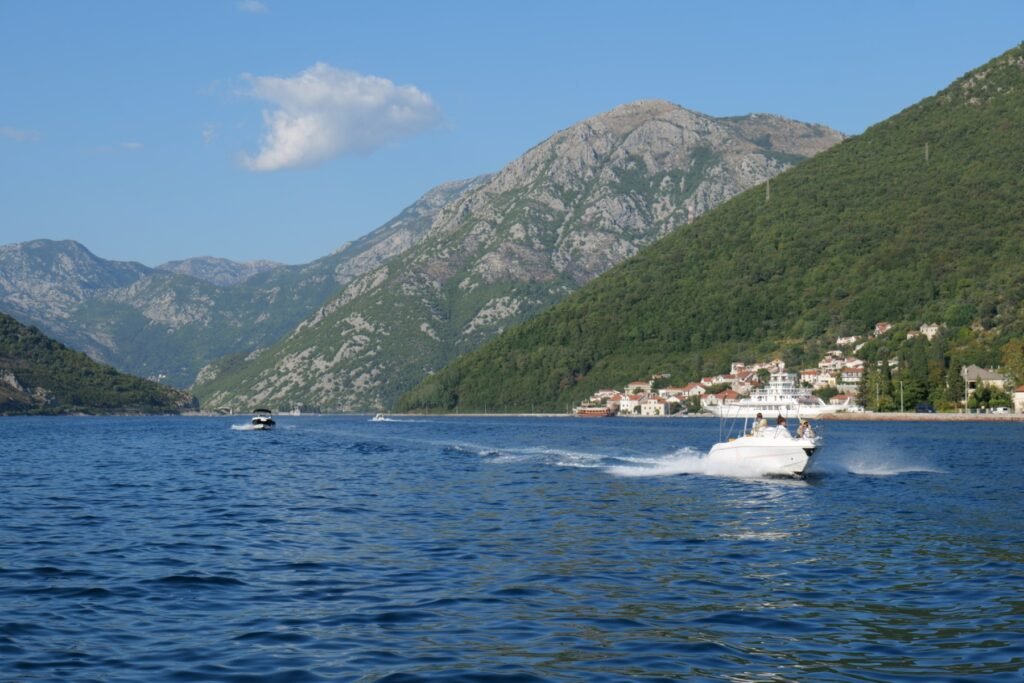
Montenegro in August
August is Montenegro’s most intense month.
Average temperatures are again 21–31°C (or 70–88°F), but regularly push the higher boundaries of that average.
Plus, humidity is higher, and the sun is relentless – perfect for relaxing beach days but not so pleasant for old town sightseeing!
The sea is also at its warmest and calmest in August, which is dreamy for swimming.
Crowds peak in August, especially along the coast and in Kotor due to cruise ships, school summer holidays and day trips from Dubrovnik.
Prices are also at their highest for accommodation throughout Montenegro, and availability is very limited. So you’ll need to book in advance, especially in Kotor, Budva and Perast.
However, despite all of the busyness and heat, there is a vibrant, social energy in August that some travellers love – with long evenings, restaurant culture, festivals and events!
What’s good about Montenegro in August:
- Very warm sea temperatures for swimming
- Lively, social atmosphere
- Long, bright evenings
- Ideal for relaxing beach getaways
Things to consider:
- Extreme heat during the day
- Heaviest crowds and cruise ship traffic
- Highest prices of the year
- Less flexibility for last-minute plans
Katie’s Top Tip: If August is your only option, lean fully into a relaxing beach itinerary. I recommend staying near the water in Budva for the best beaches in Montenegro and avoiding midday sightseeing.
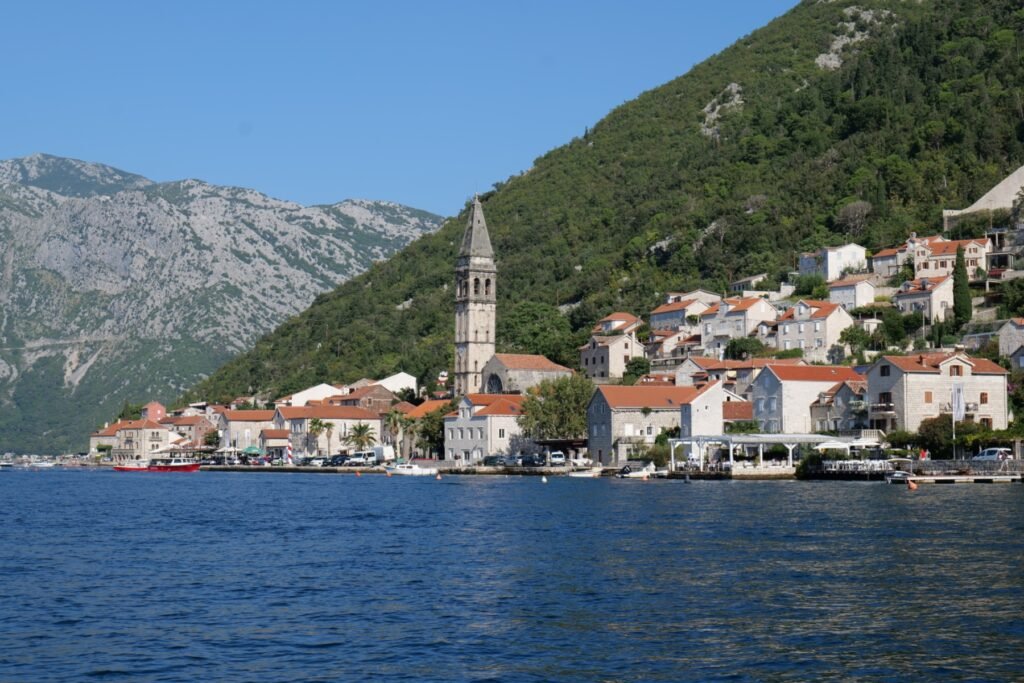
Montenegro in Autumn (September–November)
Montenegro in autumn is my favourite season and definitely doesn’t get enough hype (but that’s why it’s so perfect for solo travellers!)
From September to November, the country starts to slow down, but it doesn’t shut down.
Especially in early to mid Autumn, you still have access to beaches, the historic old towns, boat trips, national parks and tours – just without the busyness of peak season.
And in terms of weather, autumn is a transition season.
Along the coast, temperatures stay warm well into October, with plenty of sunshine and lower humidity than in summer. Whereas inland and in mountainous areas, temperatures cool down faster.
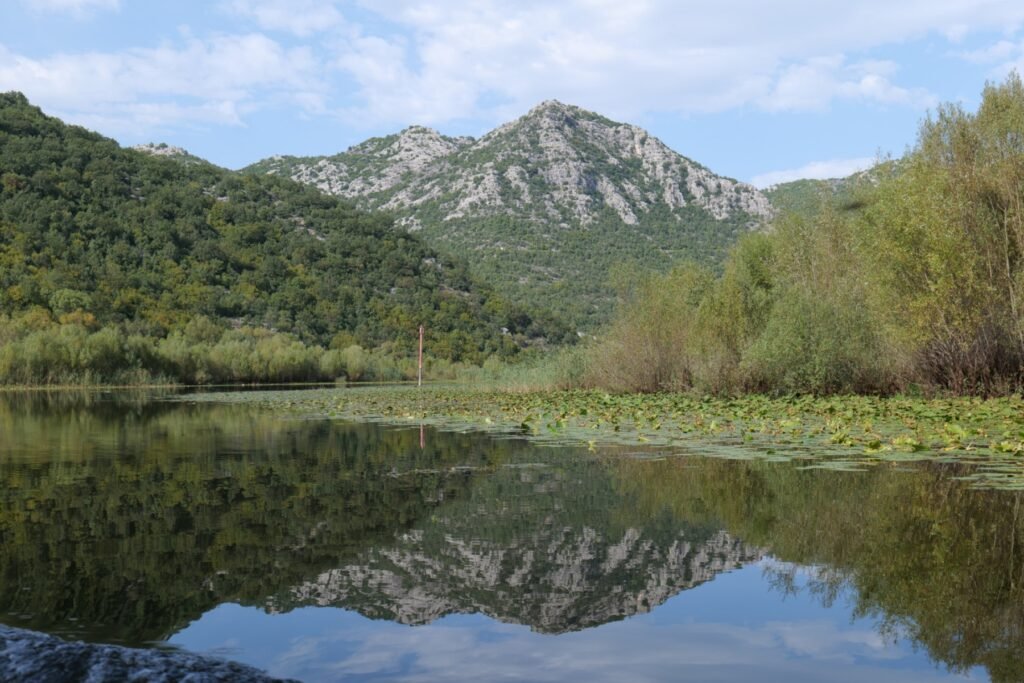
Crowds also slow down a lot after the July and August rush, which makes autumn one of the best times of the year to visit Montenegro if you want quieter streets and slower travel.
Plus, prices for accommodation drop too, especially from late-September onwards, so it’s more affordable to visit Montenegro in autumn compared to summer.
For sightseeing, walking, boat trips and exploring the national parks, autumn is perfect!
Just know that this isn’t peak beach season in Montenegro, and by November, especially, swimming in the sea is no longer an option.
Katie’s Top Tip: For autumn in Montenegro, pack in layers so you can adapt to the less consistent temperatures, and also plan your itinerary with shorter daylight hours in mind.
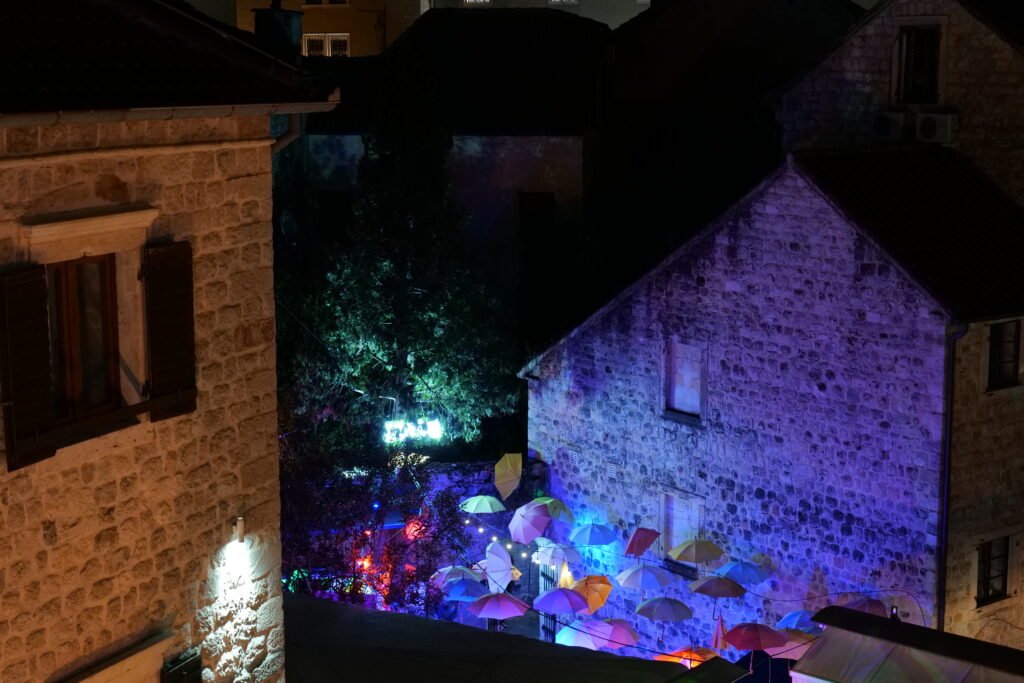
Montenegro in September
September is, in my opinion, the best month to go to Montenegro.
You basically get the warmth and sunshine of summer without the overwhelming crowds or heat of summer – it’s a win-win for solo travellers!
On average, September has temperatures of around 17–26°C (or 63–79°F), and on my trip in late September, I definitely felt that, with my average around 21°C in Kotor.
Rainfall is also relatively low in September (I didn’t see any on my trip), and when it does rain, it’s usually short showers.
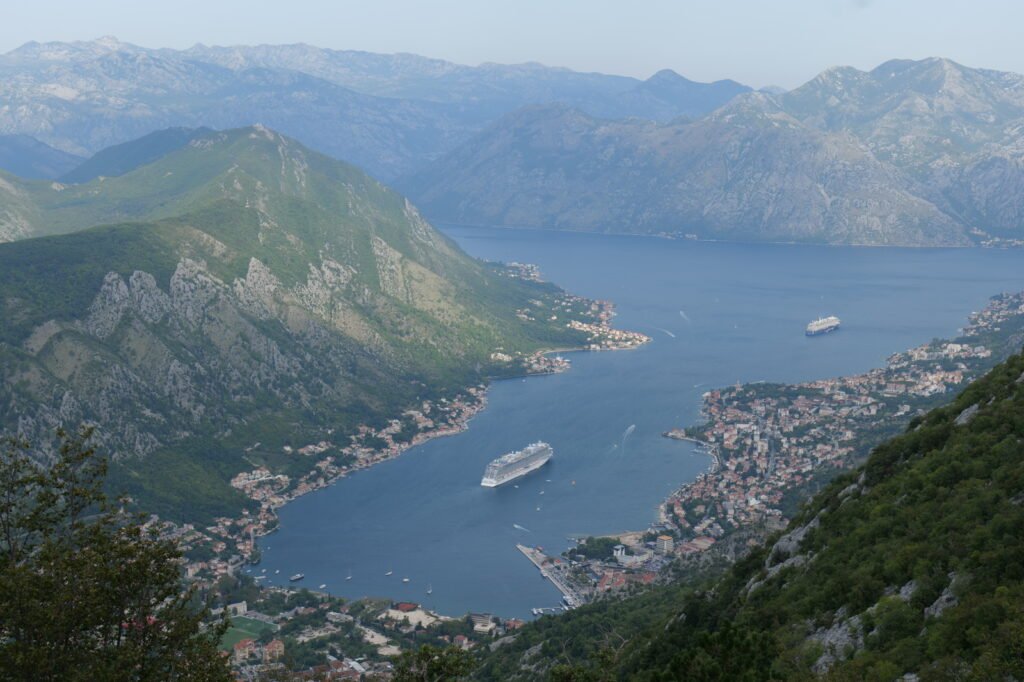
Plus, the sea is still warm from the long summer just gone, making swimming and boat trips still genuinely enjoyable.
On my own trip in late September, I swam off the back of the boat at the Blue Cave, on this full-day boat trip around the Bay of Kotor – and it was the most incredible experience!
What’s good about Montenegro in September:
- Warm, sunny weather without extreme heat
- Sea temperatures are still ideal for swimming
- Fewer cruise ships and day-trippers
- Better accommodation availability and pricing
- Perfect conditions for sightseeing and walking
Things to consider:
- Early September can still feel busy in hotspots like Kotor
- Popular boat trips and guided tours still sell out in advance
- You’ll want light layers for evenings
Katie’s Top Tip: I would definitely recommend booking accommodation with a private outdoor space to make the most of the still-warm September evenings!
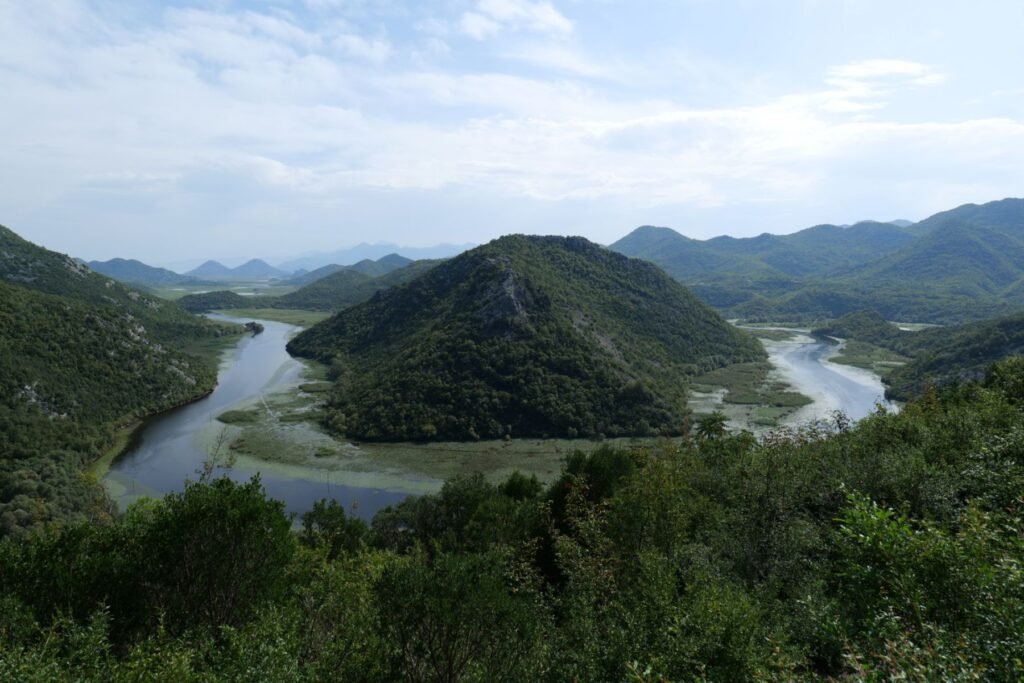
Montenegro in October
October in Montenegro is when the official tourist season starts to slow down. And average temperatures drop to around 13–21°C (or 55–70°F).
Sunshine is still very much a feature of Montenegro in October, but it’s less guaranteed day after day, and rainfall is more frequent (especially towards the end of the month).
Swimming is still possible in early October (on sunny days), but the sea does start to cool quickly, and fewer people are heading to the beaches.
Instead, October is the perfect month for old town sightseeing, photography under the most beautiful golden light, hiking, and enjoying Montenegro’s national parks!
What’s good about Montenegro in October:
- Comfortable temperatures for walking and sightseeing
- Lower crowds, even in popular towns
- More affordable accommodation prices
- A calmer, more local feel
Things to consider:
- The weather becomes less predictable
- Some seasonal tours reduce schedules or stop altogether
- Swimming becomes hit-or-miss
Katie’s Top Tip: October can still be a lovely month if you’re flexible with your Montenegro itinerary and don’t mind skipping beach days and swimming for old town sightseeing. It’s perfect for slower travel and exploring the national parks!

Montenegro in November
By November, Montenegro is on its way towards the winter season, with average temperatures around 9–16°C (or 48–61°F) and an increase in rainfall.
Sunny days also become less frequent in November in Montenegro. And this is not an ideal beach or swimming season, if that’s why you want to visit.
Plus, many boat tours stop running altogether in November, ahead of the winter season. And some smaller restaurants, tours and attractions close for a break too.
However, bigger towns like Kotor and Budva don’t completely shut down they just become more local and authentic!
What’s good about Montenegro in November:
- Extremely quiet streets
- Lower prices for everything
- A more authentic, local feel
Things to consider:
- Rain is more common
- Limited tours and activities
- Shorter daylight hours
- Not ideal for first-time visitors
Katie’s Top Tip: If you’re visiting in November, base yourself in a larger coastal town (like Kotor) and make sure your itinerary is flexible around the weather.
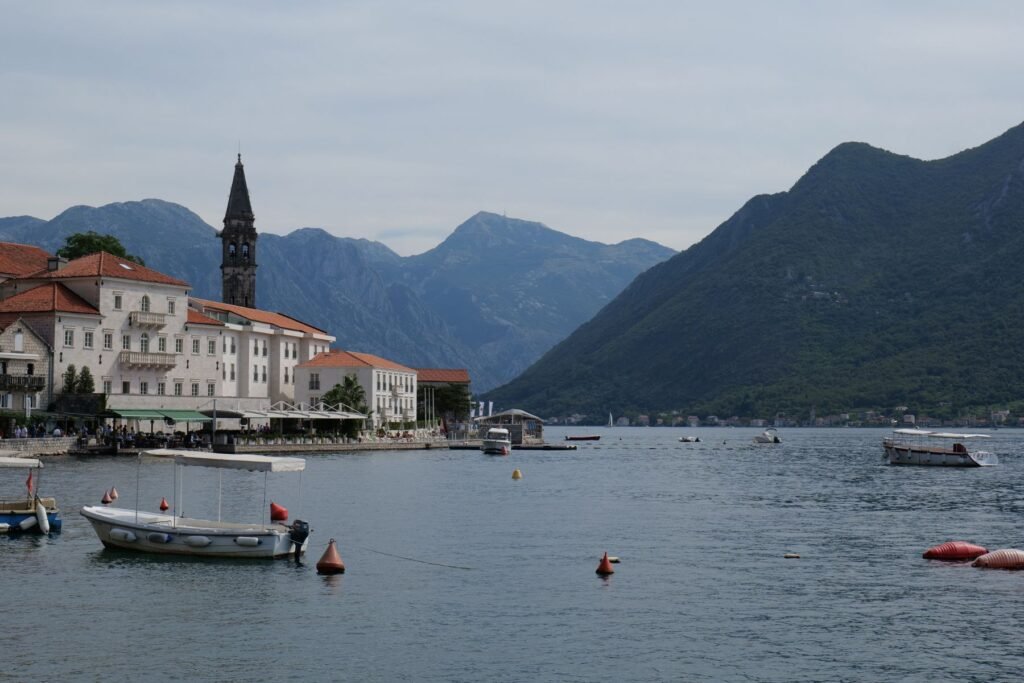
Montenegro in Winter (December–February)
Montenegro in winter is a completely different country from the sun-soaked version you probably have in mind.
But whether that’s a good thing or not depends on what you want from your trip!
From December to February, Montenegro is at its most local, slow and low-key.
In terms of weather, along the coast, winters are relatively mild compared to inland Montenegro, but also wetter. So you can expect cool days and grey skies.
However, the inland and mountainous areas of Montenegro are totally different, with much colder temperatures and even snowfall!
Plus, crowds are at their absolute lowest in the winter months, as many seasonal tours stop running, and some restaurants and smaller shops close too.
This can feel peaceful or isolating, depending on your solo travel style.
Prices also drop significantly for accommodation in these months.
Winter isn’t the best time to visit Montenegro for first-timers (especially if you want that classic, sunny coastal experience), but it can work if you love slower, more local travel!
Katie’s Top Tip: Tivat Airport (close to Kotor) doesn’t operate winter flights, so you’ll need to fly into Podgorica or Dubrovnik and travel onward from there.
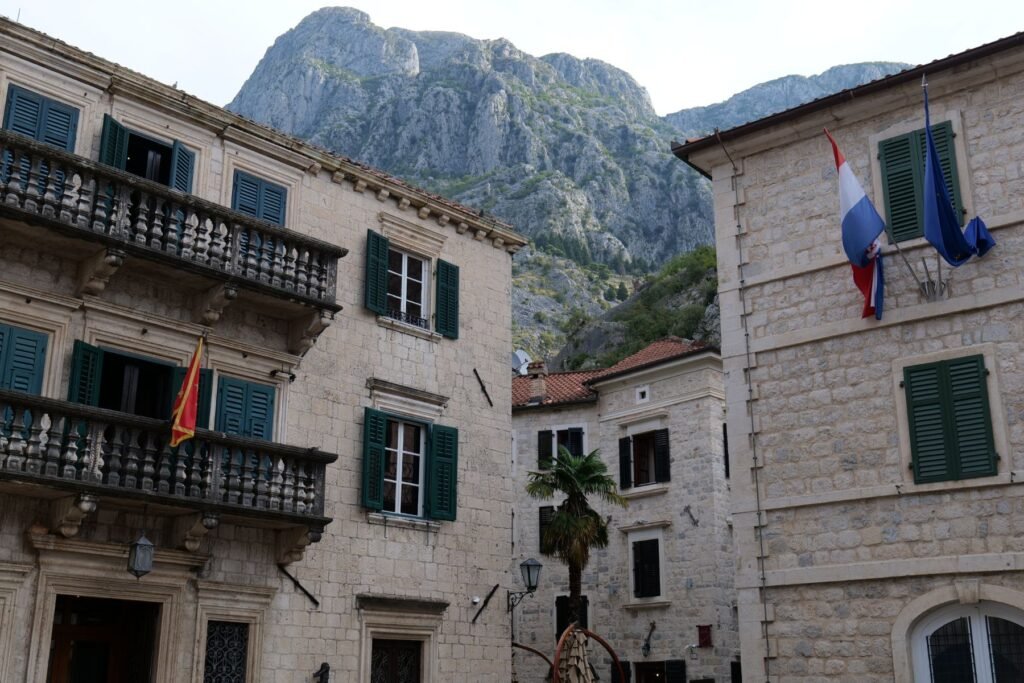
Montenegro in December
December in Montenegro is a gentle transition into winter, with average temperatures around 5–10°C (41–50°F).
Plus, there is a noticeable increase in rainfall, and you may even experience snow in inland or mountainous areas. Sunshine does appear, but it’s patchy and mixed, rather than strong.
You’ll definitely want to pack a warm coat and waterproofs, but it’s still comfortable enough for sightseeing around the old towns, visiting museums and embracing local café culture.
Swimming is not realistic in December, and boat trips mostly don’t run.
What’s good about Montenegro in December:
- Very low crowds, even in Kotor
- Festive decorations and local Christmas markets
- Lower accommodation prices
- Calm, local atmosphere
Things to consider:
- Regular rain along the coast
- Limited tours and public transport
- No swimming or beach time
- Short daylight hours
Katie’s Top Tip: Pack waterproof footwear, and make sure they have a good grip – Kotor’s cobbles get very slippy when it’s been raining!

Montenegro in January
January is Montenegro’s quietest month, with average temperatures around 3–9°C (or 37–48°F). Again, sunshine is possible, but rainfall is more common, and this is a cloudy month.
Inland, temperatures can even drop below freezing, and snow is a regular sight in mountainous and inland regions of Montenegro in January.
In January, the streets are quiet, cafés and restaurants are relaxed, and you’ll see way more locals than tourists – for a more authentic look at everyday life in Montenegro!
Swimming is not realistic, and outdoor activities depend a lot on the weather.
What’s good about Montenegro in January:
- The lowest crowds of the year
- Cheapest accommodation prices of the year
- Authentic, local atmosphere
Things to consider:
- Cold, damp weather conditions
- Very limited tours running
- Short days and reduced transport schedules
Katie’s Top Tip: Plan a balance of indoor (museums and cafés) and outdoor sightseeing days so you can always be flexible with the weather.

Montenegro in February
February is when Montenegro starts to ease back towards spring again, but it’s definitely not there yet, with average temperatures around 3–10°C (or 37–50°C).
But you will see more sunshine than in January, especially towards the end of February!
Swimming is still a no, and many seasonal businesses will remain closed until spring is back in full swing, but the country is slowly starting to wake up from winter.
What’s good about Montenegro in February:
- Slightly more sunshine than January
- Still low prices and low crowds
- Calm, local atmosphere for slower travel
Things to consider:
- The weather is still unpredictable
- Limited activities and tours
- Not ideal for first-time visitors
Katie’s Top Tip: Late February is better than early February, as the days get longer, the weather improves towards March, and things gradually start to open up.
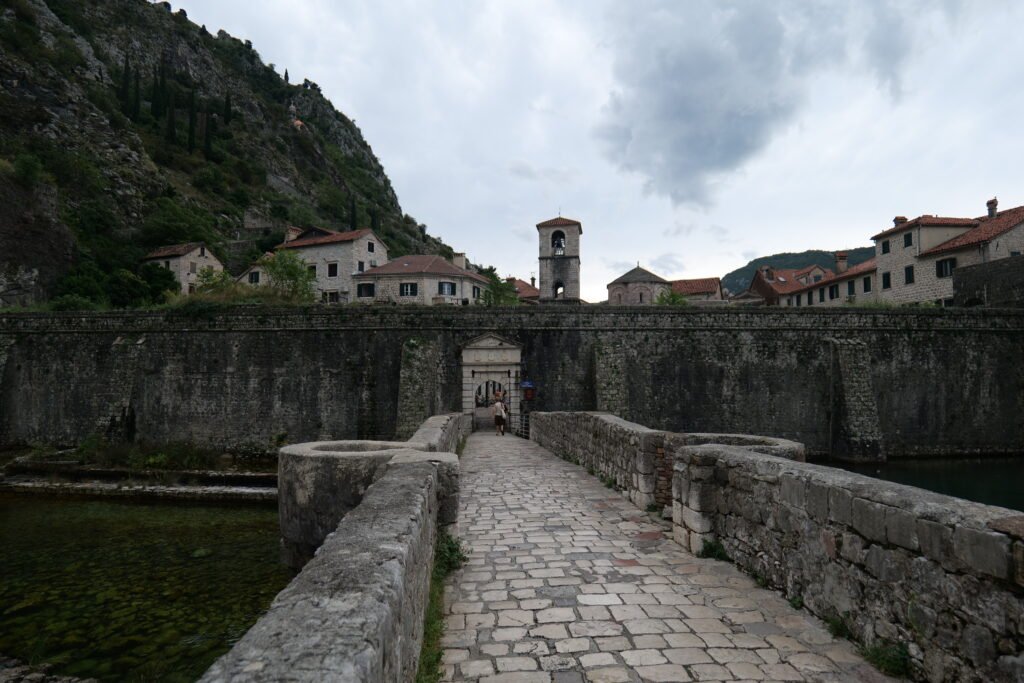
Montenegro Average Temperature by Month: Overview
Montenegro might be a small country, but its climate varies a lot depending on whether you’re on the coast, inland or up in the mountains.
Coastal areas like Kotor, Budva and Perast enjoy a more Mediterranean climate, while northern and mountainous regions are cooler and more like Alpine Europe.
Here’s an overview of the Kotor average temperature by month:
- January: 3–9°C (37–48°F)
- February: 3–10°C (37–50°F)
- March: 5–13°C (41–55°F)
- April: 10–18°C (50–64°F)
- May: 15–23°C (59–73°F)
- June: 18–28°C (64–82°F)
- July: 21–31°C (70–88°F)
- August: 21–31°C (70–88°F)
- September: 17–26°C (63–79°F)
- October: 13–21°C (55–70°F)
- November: 9–16°C (48–61°F)
- December: 5–10°C (41–50°F)
Katie’s Top Tip: Use the monthly averages as a starting point for planning your trip, rather than a rule. Like I said, you should think about where you’ll be based (coast vs inland) and whether that sits on the warmer or cooler side of the scale.
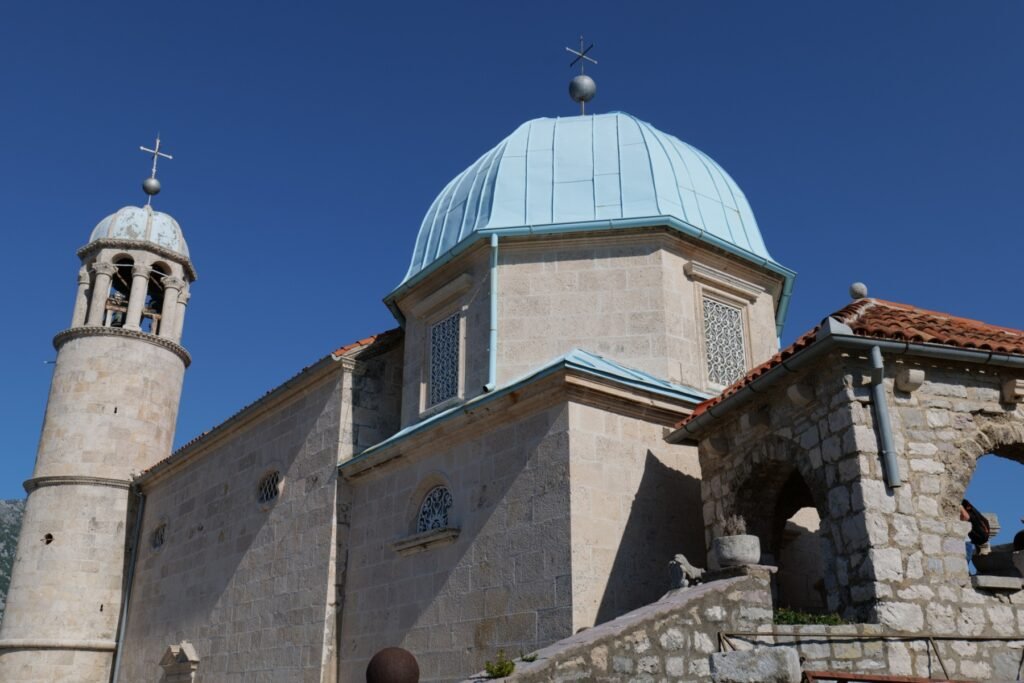
Best Month to Visit Montenegro: A Quick Decision Guide
This is what I wish someone had given me when I was in planning mode, stressing over the best time to visit Montenegro!
There is no single best month to visit Montenegro for everyone, but there is a best month for you and what you want from your trip, so here’s how to decide:
- First-time visitors to Montenegro: May, June, September
- First-time solo female travellers: May, June, September
- Beach lovers: Late June or early September
- Sightseeing & culture lovers: April, May, October
- Hiking & nature lovers: May–June or September
- Budget travellers: March–April or October–November
- Crowd-haters: Late April, May, late September, October
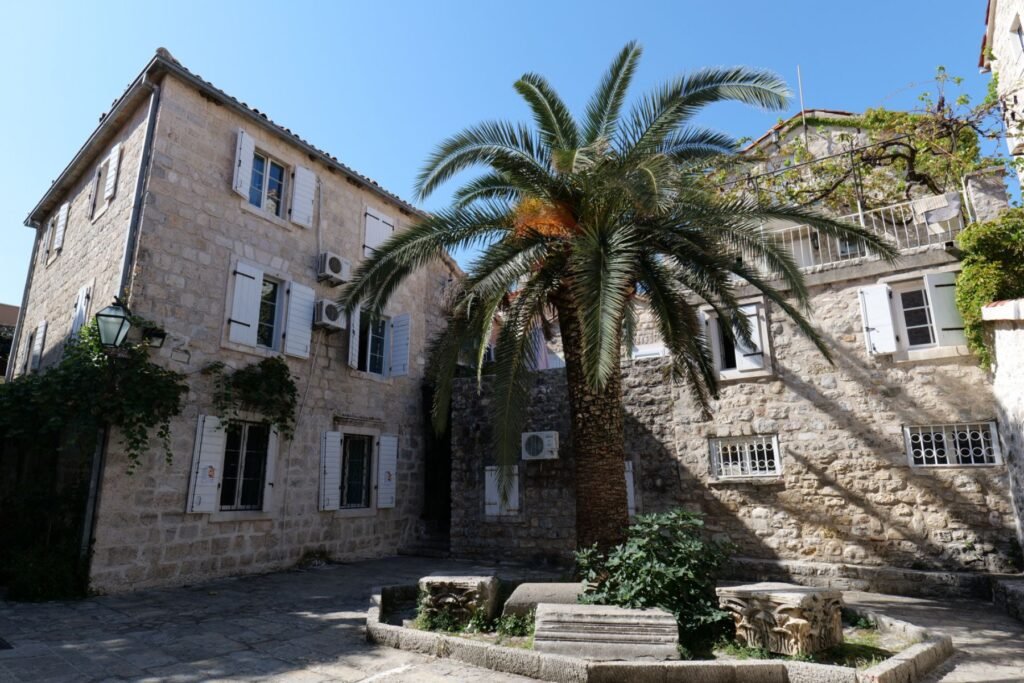
The Best Time to Visit Kotor, Montenegro
Beautiful Kotor is undoubtedly the most popular place to visit in Montenegro – but does the best time to visit Kotor change compared to the best time to visit Montenegro?
Well, not exactly, but in Kotor, timing actually matters most of all!
Cruise ships arrive regularly from spring to autumn (increasing in summer), often carrying thousands of passengers. This makes the old town feel intense, especially around midday.
In terms of weather, Kotor is hot and humid in summer, mild in spring and autumn, and cold but not freezing in winter.
Accommodation prices rise a LOT from June to August – and the most popular places will always sell out months in advance, so book as soon as you know your dates.
And in terms of crowds, the peak tourism numbers (from cruise ships, day trippers from Dubrovnik and people staying in Kotor) are in the summer, but Kotor’s old town is popular most of the year – and is only rising in popularity.
So, when is the best time to visit Kotor specifically?
I still 100% recommend visiting Kotor in mid to late September, for the best combination of sunny weather, blue skies and everything open – but less overwhelming heat and crowds!
Katie’s Top Tip: Even in September, I still prioritised exploring Kotor Old Town early (before 10am), then escaping to somewhere quieter by late morning – as the crowds were still intense by midday and into the early afternoon.
FAQs: Best Time to Visit Montenegro
When is the best time to visit Montenegro on a budget?
If you’re travelling on a budget, winter is the most affordable season to visit Montenegro.
However, for the best balance of affordability and nice weather, I would actually recommend visiting between late March to early May, or late September to October.
While the shoulder seasons aren’t as cheap as winter, accommodation prices still drop significantly, flights are easier to find at reasonable prices, and tours are sometimes discounted (whereas in winter they often don’t run at all).
What is the best time of year to visit Montenegro for good weather?
For most travellers, the best time of the year to visit Montenegro for balanced weather is May, June and September.
These three months are in a sweet spot where it’s still warm and sunny, but not boiling hot (like in July and August), so you can comfortably sightsee AND enjoy the beaches and swimming!
Is Montenegro worth visiting outside of summer?
Yes, and honestly, outside of the peak summer months is when I would actually recommend you visit Montenegro!
Montenegro in spring, autumn, and even winter offers a completely different (calmer and more local) experience, with fewer crowds and more space to enjoy sightseeing in the famous old towns without feeling rushed or overwhelmed.
For the best balance of good weather and more manageable crowds, I recommend visiting Montenegro in autumn or spring.
What is the best month to go to Montenegro for first-time visitors?
For first-time visitors, May, June or September are the easiest and best months in Montenegro.
You’ll enjoy warm weather, sea swimming and beach days, all tours, transport and attractions open, and a lively atmosphere without the intensity of the peak summer crowds!
What is the worst time to visit Montenegro?
There isn’t a truly bad time to visit Montenegro, but late July and August can be challenging, with intense heat, heavy crowds in the coastal towns like Kotor and Budva, and higher prices.
And winter can also be difficult for tourists, as a lot of tours and attractions shut down, as well as some restaurants and small shops. Plus, the weather is cool and less reliably sunny.
For a balance between quiet(er!) streets and good weather, I recommend May or September.
Can you visit Montenegro all year round?
Yes, Montenegro is a year-round destination, but your experience will change with the season.
Summer is hot, lively and perfect for swimming, boat trips and beach days, but it also comes with higher prices and intense crowds, especially in Kotor.
Spring and autumn are the best seasons for a balance of warm but comfortable temperatures, fewer tourists without feeling isolated, lower prices and perfect weather for sightseeing, hiking and exploring both the coast and national parks.
Winter is quiet and local, with cooler, wetter weather on the coast, snow inland, and limited tours, so it’s better for slow travel rather than first-time visits.
So… What’s the Best Time to Visit Montenegro for You?
The best time to visit Montenegro depends on what you want to do and how you want to experience your dream trip.
Lively vs relaxed. Social vs slow. Beachy vs sightseeing.
Basically, there’s no wrong answer – just a few trade-offs and the right time for YOU.
But you came here to this article looking for a concrete answer, right?
So I would say that the best time to visit Montenegro without crowds (especially as a solo traveller) is the shoulder season – especially May, September and October.
Spring and autumn give you warm and sunny days without intense heat, lively streets without the overwhelming summer crowds, and space to travel at your own pace.
That balance is what made September my personal favourite month to visit Montenegro – but your ideal dates may equally be May or October, or even April or June, for a similar vibe.
Choose the month that fits your travel style for the best experience in Montenegro!
Planning a trip to Montenegro? You might want to check out these posts next:
- Perfect 7-Day Montenegro Itinerary Without a Car
- Where To Stay in Kotor, Montenegro (For Solo Travellers)
- Montenegro Solo Female Travel: The Ultimate Guide For 2026
Want a little extra support planning your next solo trip?
Explore my FREE Solo Female Travel Resource Library – a growing collection of tools designed to help you feel prepared, confident, and genuinely excited about travelling on your own – even if anxiety has been holding you back.
Inside, you’ll find:
- 7 Days To Your First Solo Trip (Even If You’re Anxious) Email Course
- The Ultimate Solo Female Travel in Europe Starter Kit
- An exclusive invite to my private Facebook community
- Plus checklists, templates, mini‑guides, and new resources added regularly
Click here to access the full resource library! 💛

Pin Me For Later!
Share This Guide to The Best Time to Visit Montenegro:


2 Comments