Lessons From My First Year as a Travel Blogger in 2026
I’m writing this on May 19th 2026, exactly one year to the date that I started this travel blog.
And wow, what a journey it’s been!
I still remember the nerves, excitement and anticipation as I hit “purchase” on my domain and hosting. Getting ready to fulfil the dream that has been waiting patiently on my vision board since I went on my first solo trip at 18 years old.
And let me tell you, I am so, so glad I finally stopped wondering and chased my dream.
But has it been all success stories and 10k sessions in 2 months?
Nope. Absolutely not!
At the start of all this, I genuinely thought that if I worked hard enough, published a lot and followed all the “successful travel blogger” advice online, my blog would grow a LOT faster than it actually did.
Instead, my first year of travel blogging has been equal parts exciting, overwhelming, lonely, motivating, and honestly… a lot harder than I was expecting.
So in this post, I’m sharing lessons from my first year as a travel blogger in 2026 – from the mistakes I made and things that actually helped, to the emotional side nobody talks about and my honest stats.
Because if you’re currently building a travel blog and wondering whether you’re behind, failing, or just completely making it up as you go along… I promise that’s normal.
Welcome to the club!
Travel Blogging 101
My Top Tip:
The most important thing my first year of travel blogging taught me is to stop chasing fast growth and start focusing on becoming genuinely useful. In 2026, readers don’t need another generic travel guide. They want real experiences, honest perspectives and content that actually helps them.
My Travel Blogging Reccs:
Education & Community: Travel Blog Prosperity Membership by Jessie On A Journey
Note: You can get your first month for just $9 if you use my code GROWYOURBLOG9
Affiliate Marketing: TravelPayouts
Hosting: Hostinger Business Web Hosting
Email Marketing: MailerLite
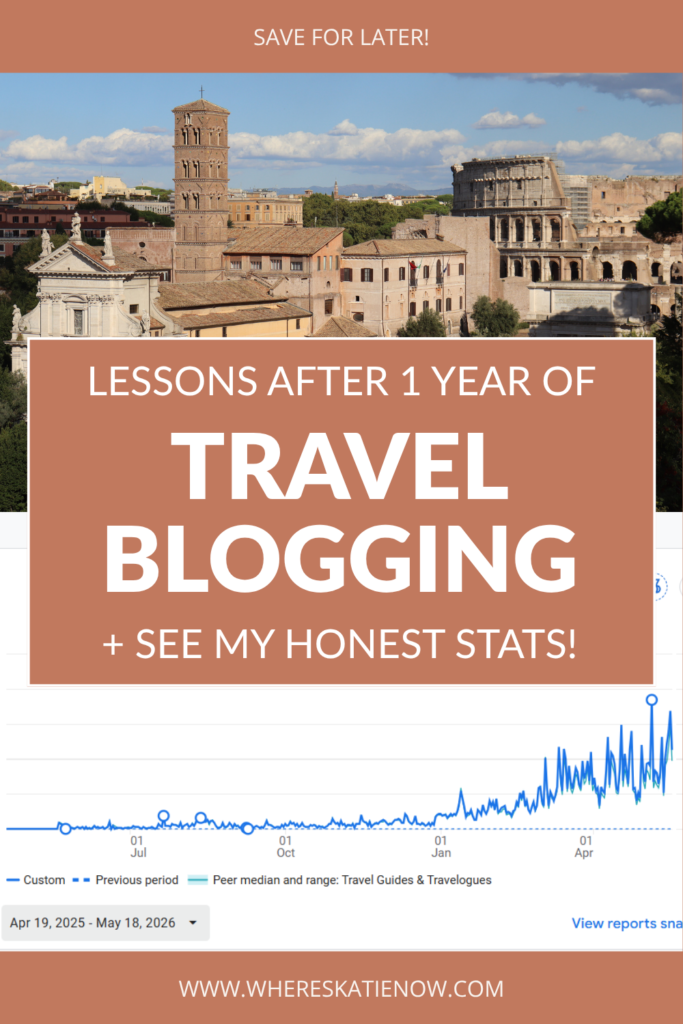
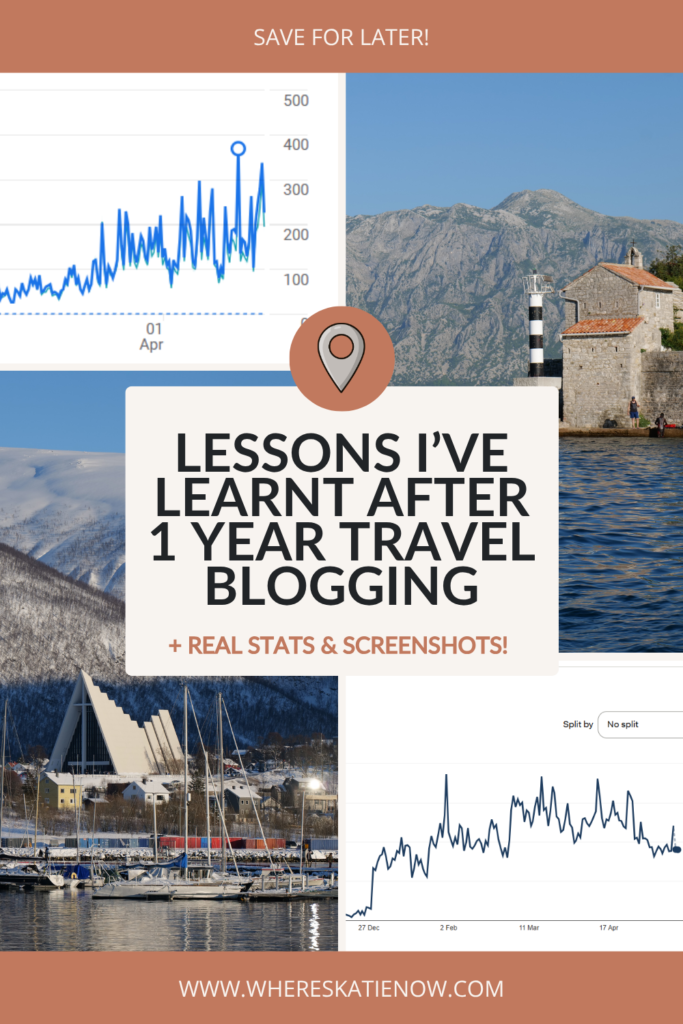
Want to save this post for later? Pin me! ↓
My Honest Year 1 Travel Blogging Stats
I debated for a long time about whether to include this section because, honestly, it’s very easy to feel like your numbers aren’t impressive enough online when you constantly see people claiming they hit 50k sessions in six months or went full-time after a year.
But one of the biggest things I wanted this post to be was honest.
Because I think a lot more beginner travel bloggers are in this very slow, awkward middle stage than the internet likes to admit – where your blog is growing, but it’s also still messy, inconsistent and very much a work in progress.
So here are my real stats after one year of travel blogging in 2025/2026:
Traffic
Over my first year, my blog reached:
- 18k sessions
- 24k pageviews
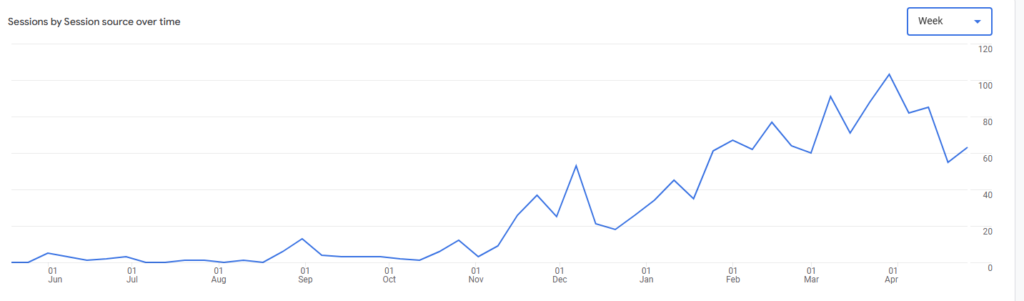
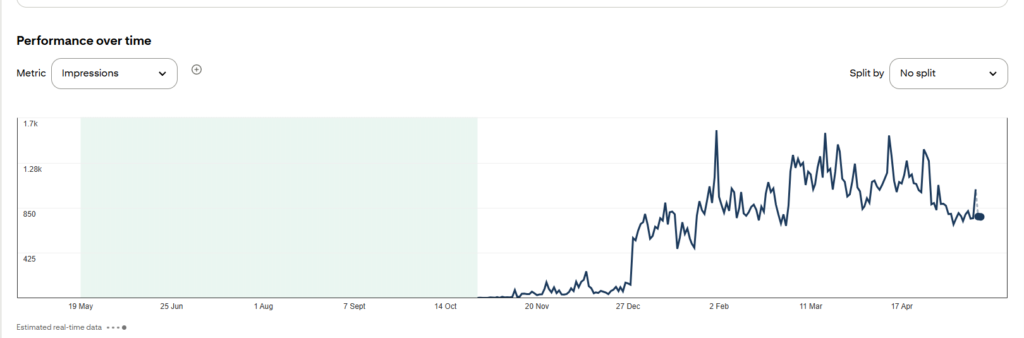
And honestly? Seeing the graph trend upwards over time has been so fun!
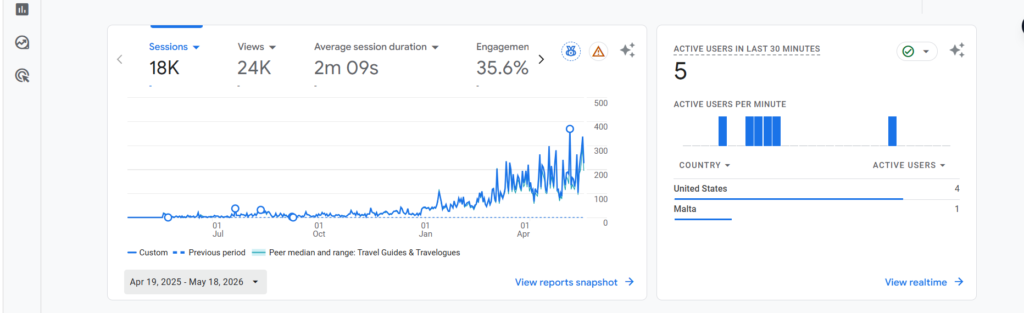
My traffic definitely didn’t explode overnight (for months, it felt like I was publishing into the void!) But around January (month 8), things started compounding fast, and I began seeing much more consistent growth month after month.
Right now, social traffic is still my biggest traffic driver by far.
Just looking at the last 30 days, my blog reached:
- 5.75k sessions
- 7.1k pageviews
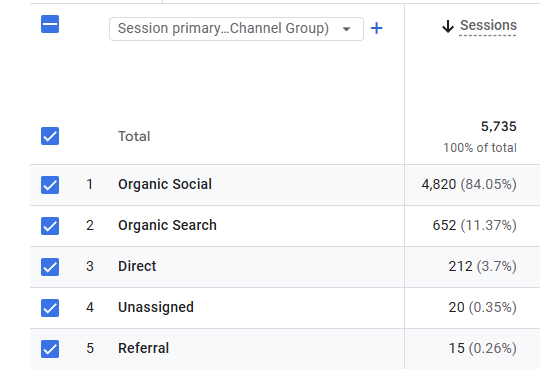
And my biggest traffic sources were:
- Flipboard: 3.6k sessions
- Pinterest: 800 sessions
- Google: 250 sessions
- Followed by other search engines like Bing, DuckDuckGo, Yahoo and Ecosia, plus some Facebook traffic too.
And I think this is an important reminder that Google isn’t the only way to grow a blog anymore.
SEO is still hugely important (and I’m working to improve it!), but diversifying your traffic matters so much now, especially with how unpredictable the Google updates can be.
Income
Affiliate income-wise, I’m still very early in my journey, but it’s been really exciting to see those first commissions come through!
So far, I’ve earned:
- £140 through GetYourGuide
- £60 through Amazon Associates
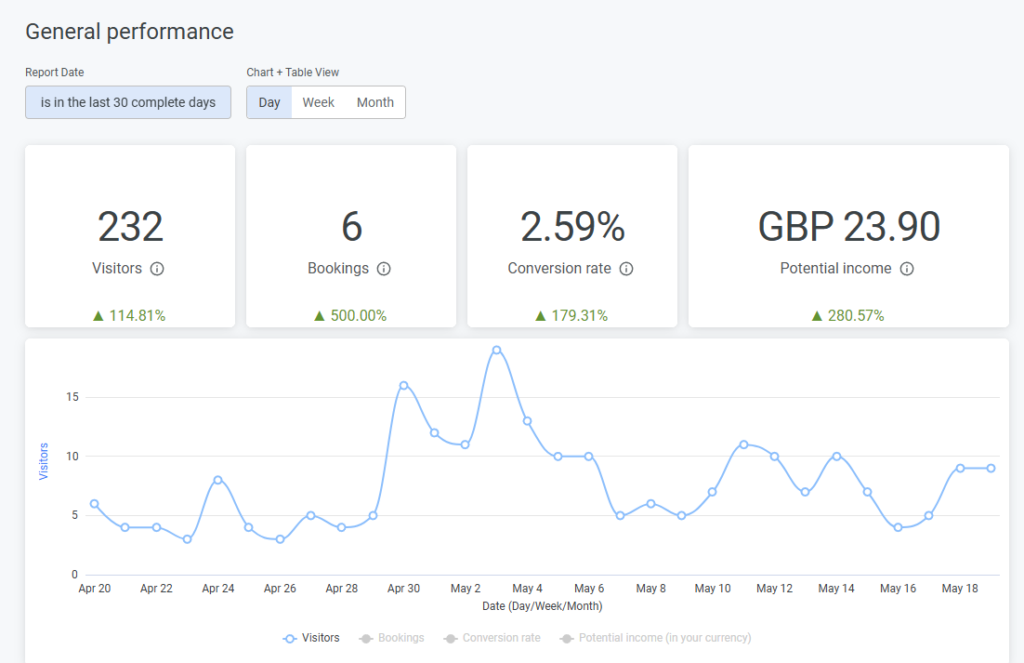
Most of my Amazon income came from my Norway winter cruise packing list, which taught me a huge lesson about search intent and usefulness!
Packing lists might not be the most interesting content to write, but they solve a very real problem for readers (especially in destinations where people genuinely struggle with what to pack, like in a cold climate).
GetYourGuide has also been interesting, because most of my commissions have come recently, which shows how affiliate income often comes over time alongside traffic growth.
I do all of my affiliate marketing through TravelPayouts, which is such a handy tool to see everything in one place and easily connect to different programs!
Moving Forward
Going into year two, one of my biggest priorities is improving my affiliate strategy and updating my existing content, rather than constantly publishing new posts.
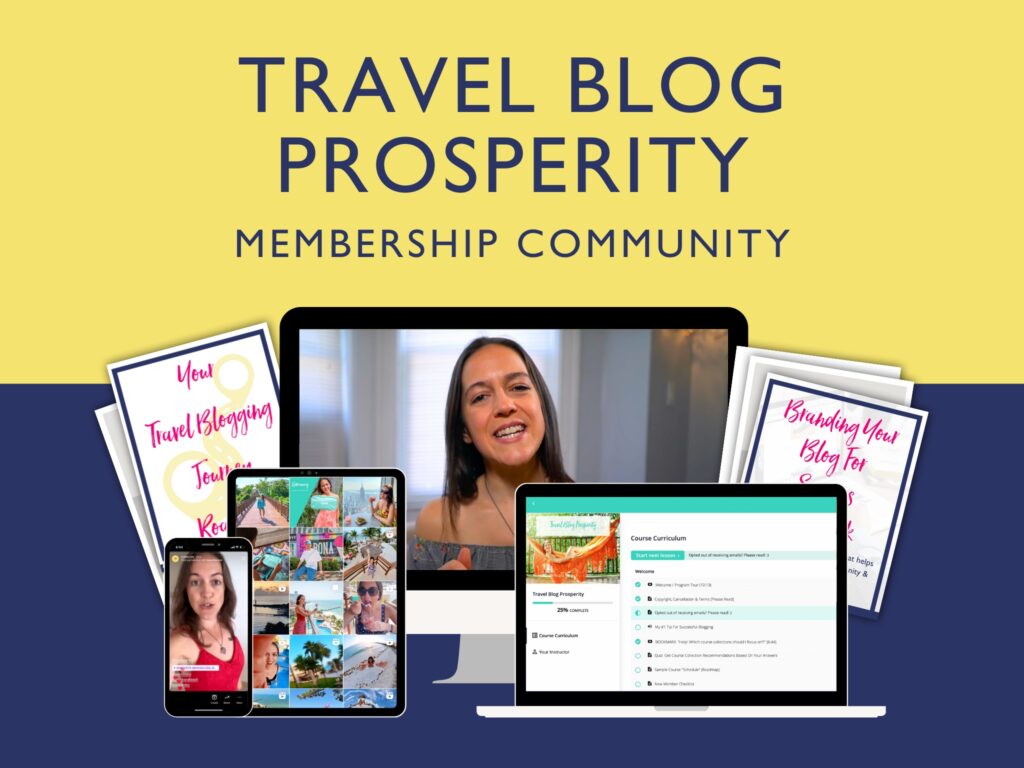
I’m learning a lot about this inside the membership I just joined, Travel Blog Prosperity, especially around understanding reader intent and placing affiliate links more intentionally.
It’s been one of the most valuable investments I’ve made in my blogging journey so far!
And if you want to try it out for yourself, you can use code GROWYOURBLOG9 to get your first month for just $9.
But honestly? Even though these numbers are still relatively small in the grand scheme of blogging, I’m genuinely proud of them!
Because 12 months ago, this blog didn’t even exist yet.
Yet now there are thousands of people reading my content every month, planning trips with my guides and trusting my recommendations enough to purchase.
And that still feels pretty surreal to me!
The 5 Biggest Travel Blogging Mistakes I Made
Mistake 1. Obsessing Over Traffic
At the start of my blogging journey, I was WAY too attached to my numbers.
Every day I would wake up and check Google Search Console, Google Analytics, Pinterest Analytics, you name it… I would check it!
If traffic went up, I felt motivated. But if traffic dipped, I felt like I was failing.
And honestly? That’s such an exhausting way to build a business.
Because the reality is that travel blogging growth is SLOW. Especially now.
Google takes time to trust new sites, SEO takes months to compound, and day-to-day traffic fluctuations are totally normal on social media.
But when you tie your self-worth to those numbers, every dip feels personal.
And I also think the internet massively distorts what “normal” growth looks like anyway.
You’ll constantly see people posting huge traffic milestones, income and viral success, but you rarely see the months of low traffic, uncertainty and struggle that came before.
And traffic alone doesn’t necessarily equal connection anyway.
The blogging highlights I had this year weren’t big traffic spikes or finally ranking.
They were the moments when a reader emailed me saying one of my posts helped them feel confident enough to book their first solo trip.
Or when someone joined my Facebook group and felt understood around travel anxiety.
That stuff matters SO much more than vanity metrics!
And it’s actually one of the biggest reasons I’m shifting my focus in year two away from obsessing over numbers and more towards building community.
Katie’s Top Tip: Try not to let analytics dictate your mood. Traffic grows slowly, that’s normal.
Mistake 2. Not Investing In Myself Sooner
I waited until month 11 to properly invest in my blogging education.
And honestly? I really wish I hadn’t.
But I do completely understand why investing feels scary when your blog isn’t making any money yet (that’s literally why I didn’t invest until now!)
It felt hard justifying spending money on something so uncertain and unpredictable.
So instead, I spent AGES trying to piece everything together myself through free YouTube videos, blog posts and endless trial and error.
But looking back now, I actually think trying to save money slowed my growth.
Because one of the most valuable things you can do as a beginner blogger is learn from people who have already gone through the mistakes and learning curves ahead of you.
It removes so much guesswork and helps you stop constantly wondering whether you’re focusing on the right things!
Travel Blog Prosperity Membership Review
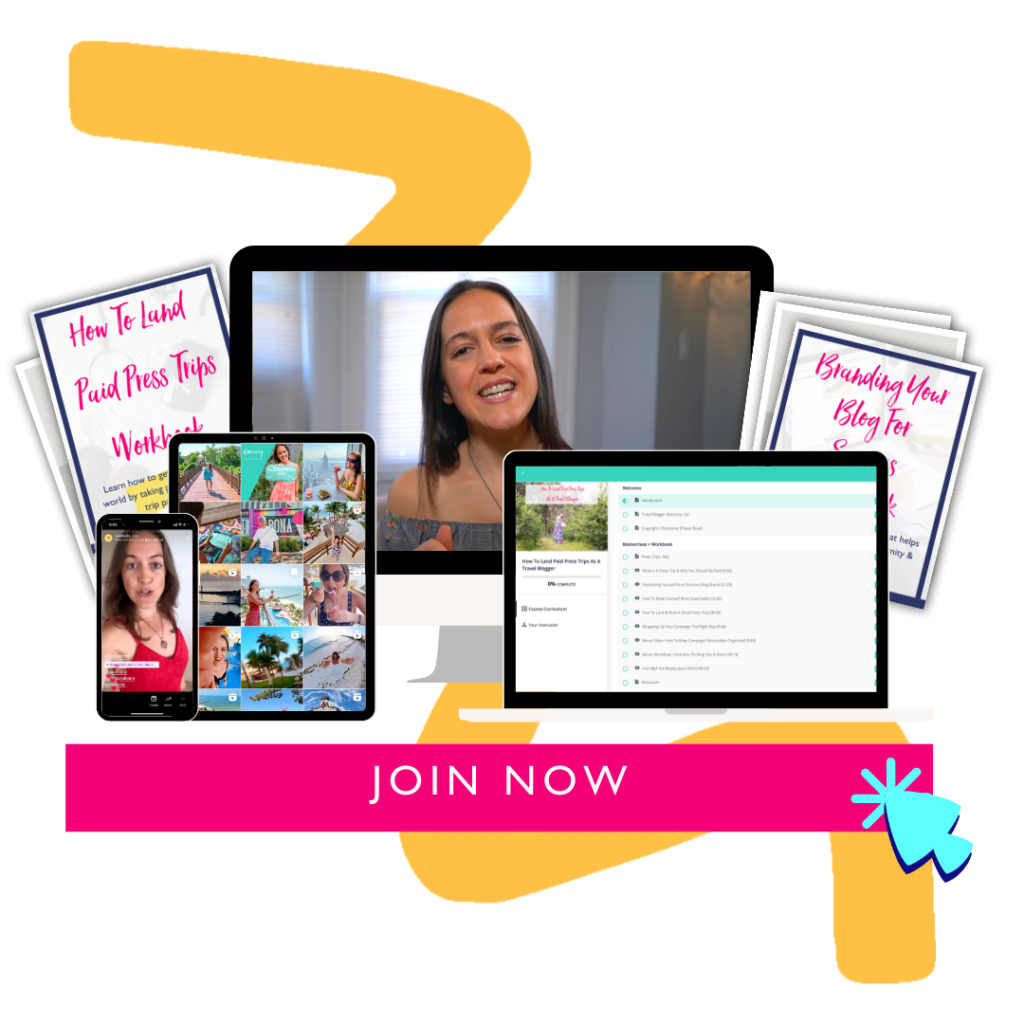
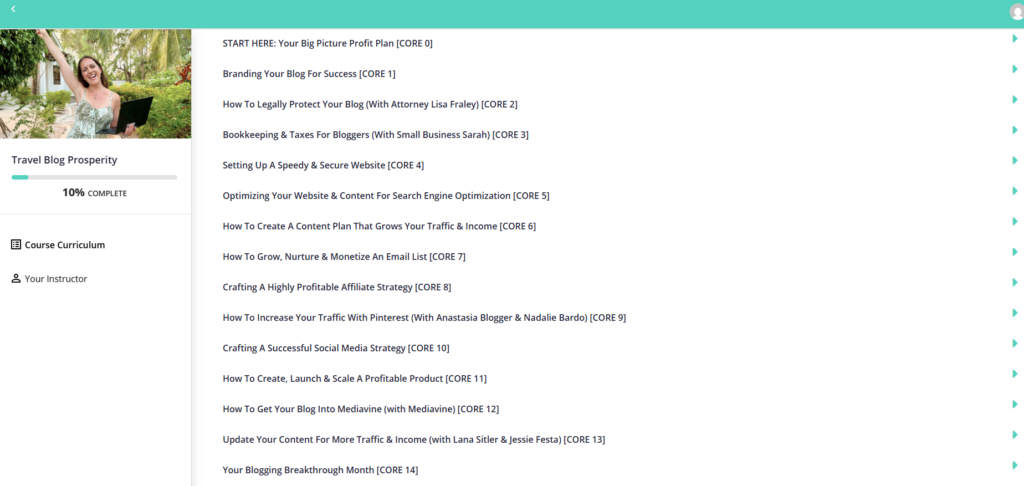
The first thing I invested in was the Travel Blog Prosperity membership, by successful travel blogger Jessie Festa, and honestly, it has been one of the best decisions I’ve made!
What I love most is that it doesn’t just throw information at you and leave you overwhelmed.
The lessons walk you through everything you need to know to build a profitable blogging business – SEO, strategy, social media, affiliate marketing, and everything in between.
But the real game-changer for me has been the community side of it.
There are live workshops, monthly Q&A calls, goal-setting sessions and a Facebook group where you can ask questions, get feedback in real-time and connect with other bloggers who understand exactly what you’re going through.
In fact, I literally just got off a group call with Jessie and her developer before writing this, and being able to ask tech questions live instead of spending hours on Google was SO helpful!
Want to check it out? My code GROWYOURBLOG9 will get your first month for just $9!
Katie’s Top Tip: You absolutely do not need to spend thousands to become a successful blogger. But investing in the right education, support and community can definitely save months of confusion, burnout and second-guessing!
Mistake 3. Not Building An Email List ASAP
I technically started an email list early on, but I didn’t truly prioritise it.
And honestly, I’m so annoyed at myself for that now!
Because the longer I blog, the more I realise that community is everything.
Traffic is great, but email subscribers are people choosing to hear from you again. And that is so valuable!
I think at the start, I underestimated how important email marketing was because I assumed you needed a huge audience before it mattered. But actually, I think building that relationship early is one of the smartest things you can do as a new blogger.
Even a tiny email list matters.
Because again, those are real people. Real readers who trust you.
If I were starting over tomorrow, on day one, I would set up:
- A simple freebie
- An email welcome sequence
- A regular newsletter
- Email opt-ins naturally throughout my posts
I use MailerLite for my email marketing as it has a great free plan to get started!
Katie’s Top Tip: One thing that’s helped me recently is using the Grow by Mediavine plugin’s Spotlight Subscribe feature, which automatically encourages readers to subscribe while they’re already engaging with your content.
Mistake 4. Trying To Cover Too Many Countries
At the beginning of my blog, I wanted to write about absolutely everywhere.
Which makes sense, right? As travel bloggers, we travel to lots of places, so naturally, we want to cover all of them immediately!
But one of the biggest lessons I’ve learned this year is that depth matters SO much more than breadth.
When you only publish one or two posts about a destination before moving on to the next country, it’s much harder to build authority, both with Google and readers.
Whereas, when you create an entire cluster around a destination, your blog becomes a genuinely useful and trusted resource.
That’s why my best-performing content clusters now are Norway with 30+ posts and Montenegro with 18+ posts!
Katie’s Top Tip: Don’t try to become an authority on everything all at once. Pick a destination, topic or niche you genuinely know well and go deeper than everybody else instead of broader.
Mistake 5. Comparing Myself Constantly
I really think comparison is one of the hardest parts of blogging.
Because no matter how well your own blog is doing, there will always be someone growing faster or earning more than you.
And when you spend a lot of time online in blogging spaces, it is SO easy to feel like you’re falling behind and wonder whether you’re doing everything wrong.
(I’ve definitely struggled with this a lot during this first year!)
But now I’ve come to realise that you are usually comparing your full behind-the-scenes reality to somebody else’s highlight reel.
You don’t know:
- How long they’ve actually been blogging
- Whether they had an existing audience already
- Whether they bought an aged domain
- How much help they had
- How many failed blogs came before this one
- What their traffic looks like six months later
And honestly, constantly consuming those overnight success stories was affecting my motivation far more than helping it.
So now, I try to focus much more on my own progress instead.
- Am I improving my writing?
- Am I helping readers?
- Am I learning new skills?
- Am I creating content I’m proud of?
Because those are the things I can actually control!
Katie’s Top Tip: Your blogging journey is not supposed to look identical to somebody else’s. Slow growth, setbacks and learning curves are all completely normal parts of this!
Travel Blogging in 2026 Is Not the Same
If you’re starting a travel blog in 2026 and expecting it to grow the way blogs did even five years ago, you’re going to feel disappointed and burnt out real quick.
The internet is so loud now.
Thin, poor-quality, AI-generated content is everywhere.
And there are thousands of articles online all trying to answer the same questions.
So it’s no longer enough to write a generic “best things to do” post, add one more “thing” than your competitors, and expect to rank.
But honestly? I don’t think that’s a bad thing!

I know from when I’m planning my own trips, I can instantly tell when someone has actually experienced that place vs has just rewritten information from ten other blogs.
And that’s why I believe experience, authenticity and your unique personality matter so much more than ever now.
Readers don’t just want facts (let’s be real, AI can give them that in like two seconds!), they want reassurance, honesty and your real, lived experiences.
They want to know what you actually thought.
- Was the destination worth the hype?
- Did you feel safe there solo?
- Was the must-see spot actually overrated?
- What would you do differently next time?
So, the biggest shift I made this year was to stop trying to limit my personality in posts.
I have social anxiety. I love hidden gems. I overthink a lot of (weirdly specific) details on my trips. And I’ve learned that it is more than ok to let that shine through!
Katie’s Top Tip: Your biggest strength as a travel blogger is that you’re a real person with real experiences, opinions and stories. Lean into that. Your unique perspective is the one thing nobody else (including AI) can copy!

7 Things That Actually Helped My Blog Grow
1. Posting Consistently
At the start of my blogging journey, I was completely obsessed with posting frequency.
I read SO many articles and “success stories” saying the secret was to post as much as you can – and only then will you get into Mediavine in 6 months or make 10k in 12.
Spoiler alert: I posted 3x a week for my first 6 months, and none of that happened.
In fact, I honestly think it slowed me down a lot more than it helped me.
Because when you’re new to blogging, you’re learning everything at once:
- Writing
- SEO
- Keyword research
- Affiliate marketing
(I could go on, but you get the idea!)
And if you’re constantly rushing to publish, publish, publish, you don’t leave yourself any room to improve your skills as you go.
I see a HUGE difference between the posts I wrote in month one vs the posts I write today.
So now, entering year two, I care way more about quality over quantity.
Katie’s Top Tip: Don’t get me wrong, this doesn’t mean consistency doesn’t matter. It does. But consistency only works if it’s sustainable and you leave room to learn.
2. Building Topical Authority
As I mentioned earlier in this post, one of the biggest blogging mistakes I made early on was trying to write about everywhere.
So I’d visit a country, write one or two posts about it, then move on to the next destination because I thought covering more countries meant more opportunities to grow.
But now I know that Google and readers both want more depth than that.
If you only have one blog post about a destination, it’s much harder for Google to trust that you genuinely know that place well.
But when you have an entire cluster of detailed, interlinked posts covering different aspects of a destination, you start building real authority.
For example, my strongest-performing cluster is Norway, where I have 30+ posts live.
And the reason those perform well is that I went deep instead of broad.
I didn’t just write generic “things to do” posts and move on. I covered solo female travel safety, transport guides, itineraries, hidden gems, practical tips…
That depth matters to Google. And honestly, it matters to readers too.
When I land on a blog and see that the writer has loads of posts about a destination, I trust them so much more. It reassures me that they actually know what they’re talking about!
Katie’s Top Tip: Instead of trying to cover 10 countries at once, focus on becoming genuinely useful about one place first. Go deeper than the obvious topics and think about the real questions travellers are asking before and during their trip.
3. Diversifying My Traffic
If there’s one lesson I learned the hard way this year, it’s to NEVER rely on one traffic source.
Don’t get me wrong, SEO is so important – and I think every blogger should learn keyword research and on-page SEO, because those skills matter massively.
But in 2026, relying only on Google (or any platform) is so risky.
Algorithms change constantly. Platforms evolve. Traffic fluctuates. Or sometimes things happen completely outside your control.
For me, I learned this lesson when my Pinterest account got hacked.
At the start of my blogging journey, Pinterest was driving a HUGE amount of my traffic. I spent months learning, designing pins, and finally seeing consistent growth.
And then literally overnight, I lost access to my account and couldn’t recover it.
My traffic plummeted instantly.
And wow, was that a horrible feeling!
Not just because of the impact the lack of traffic had on my blog numbers, but because I realised that my entire blog strategy was so vulnerable.
It’s the age-old saying: don’t build your house on rented land.
And Pinterest, Instagram, TikTok, even Google… is all rented land, where you don’t own your audience, and you have no control if things go wrong.
So now, diversification is a huge priority for me:
- SEO (not just Google, but all search engines)
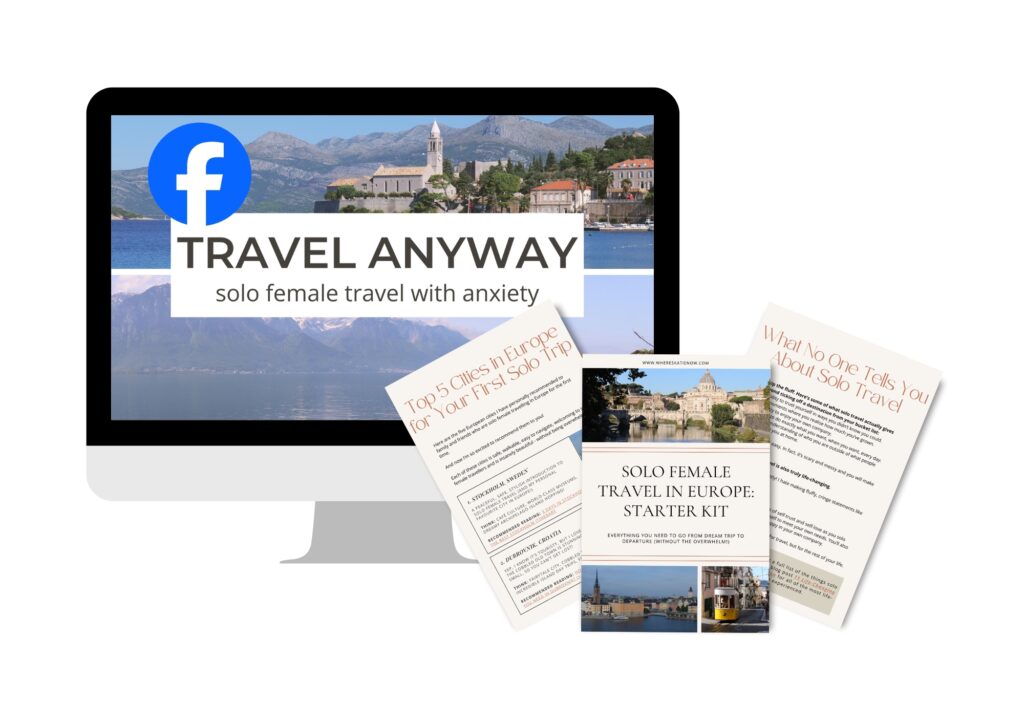
- My public Facebook group for solo female travel in Europe
- My private Facebook group around solo travel anxiety
- My email list
Katie’s Top Tip: Don’t grow your blog on one platform, no matter how well it’s performing right now. Diversifying your traffic takes longer initially, but it gives you way more security and peace of mind in the long run.
4. Understanding Search Intent
At the beginning, I wrote posts based on what I wanted to say, without researching what readers were actually searching for or expecting from that topic.
And honestly, a big part of that was because I felt weird looking at other blogs.
I didn’t want to copy my “competitors”, so I avoided researching altogether.
But researching the search results is not copying. It’s essential.
Because when someone searches for a topic, they already have expectations about what that post will help them achieve. And if your article ignores that, you won’t rank.
So now, before I write any post, I spend time studying what’s already ranking:
- What questions are people answering?
- What important information keeps appearing?
- What format is ranking?
- And most importantly: what’s missing?
And that final question is your golden opportunity!
The goal ISN’T to create a rewritten version of the same article already published.
But to create something better, more useful, more honest or more experience-driven.
Katie’s Top Tip: Before writing a post, spend time understanding what readers actually want from that search. But then ask yourself what you can add that’s more useful or more experience-based than what already exists.
5. Writing From Real Experience (EEAT)
One of the biggest things I’ve learned this year is that your personality is not something you need to limit in order to be taken seriously as a travel blogger.
In fact, it’s the thing that will help you stand out the most!
Because, let’s be brutally honest, the internet does NOT need another generic listicle written by someone who’s never actually been there.
AI can generate that in seconds now, anyway.
But, as I keep saying, what it can’t replicate is your lived experience.
It can’t explain what it feels like to arrive in a new country alone. It can’t tell readers which viewpoint genuinely made you emotional and which “must-see” actually felt underwhelming. It can’t share what you wish you’d done differently after spending a week somewhere.
And Google’s recent Helpful Content Updates have made EEAT (Experience, Expertise, Authoritativeness and Trustworthiness) more important than ever.
Google actively wants content written by people who have genuinely experienced what they’re talking about and have unique opinions to share.
Katie’s Top Tip: Never strip your personality out of your writing in an attempt to sound more professional. Your lived experience, opinions and unique perspective are your biggest advantage amongst all the AI-generated content.
6. Prioritise Internal Linking
I massively underestimated internal linking when I first started blogging.
At the start, I thought internal linking was just some boring, time-consuming SEO task bloggers talked about because Google liked it.
But it is genuinely one of the most important parts of creating a helpful travel blog.
Because yes, internal linking helps SEO (it helps Google understand your site structure, find related content and build connections between your articles!)
BUT honestly, the biggest reason I prioritise it is that it creates a better reader experience.
Just think about how people actually plan trips for a second.
They rarely just need one answer. Right?
If someone is reading your 7 Days in Montenegro Itinerary, they’ll also want to know:
And when you naturally interlink those other helpful posts, you make trip planning feel so much easier and less overwhelming for your reader.
They don’t have to go back to Google and start their search all over again because you’ve already anticipated their next question.
Plus, I’ve also found that internal linking significantly increases the amount of time readers spend on my site, which is so good for SEO and conversions!
Katie’s Top Tip: Don’t think of internal linking as an SEO trick. Think of it as helping your reader fully plan their trip without needing to leave your site.
7. Finding A Supportive Community
Travel blogging can feel surprisingly lonely sometimes.
And I don’t think people talk about that enough.
I mean, so much of this job happens behind a screen: researching, writing, editing, troubleshooting tech issues, second-guessing analytics…
And when things aren’t growing quickly, it can feel like everyone else understands something you don’t.
For me, finding a supportive blogging community completely changed that.
I only really prioritised it around month 11 (which I regret hugely!)
But as soon as I started connecting with other bloggers, asking questions and learning from people ahead of me, everything felt so much less overwhelming.
Personally, I love Facebook groups for this:
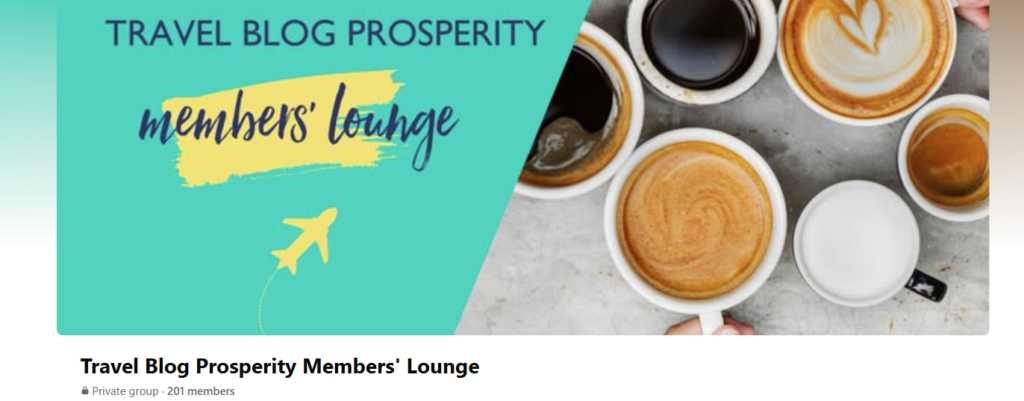
But by far the best decision I made this year was also joining a travel blogging membership, Travel Blog Prosperity, which has an in-built, supportive community.
And genuinely, I wish I’d invested in something like that sooner, because having guidance, accountability and access to other experienced bloggers removes SO much guesswork!
There’s an amazing Facebook community, monthly calls and actual strategic direction, which has already made a huge difference to my confidence as a blogger!
Katie’s Top Tip: Don’t try to build your blog alone. Even joining one supportive community, whether it’s a free Facebook Group or investing in a membership, helps so much.
The Emotional Side of Travel Blogging
One of the biggest misconceptions about blogging is that it’s glamorous all the time.
And don’t get me wrong, there are amazing moments!
Seeing someone read your work from the other side of the world is surreal. Getting your first affiliate sale is SO exciting. And there is nothing like the first time you rank on Google.
But travel blogging can also feel emotionally exhausting sometimes.
Because for a long time, it honestly feels like you’re pouring hundreds of hours into something with very few results.
You’re writing posts nobody is reading yet.
You’re refreshing your Google Analytics like it’s a part-time job.
You’re comparing yourself to bloggers who seem to be growing faster or earning more.
And honestly? The comparison trap in blogging is BRUTAL!
Especially because people naturally share their highlights online.
So you’ll see the high traffic and income reports far more than the months of uncertainty, burnout, low traffic and second-guessing that (always!) happen behind the scenes.
There were definitely moments this year where I questioned whether I was wasting my time. Or even where I wondered whether I was just too late to blogging to make it work.
But at the same time, it’s also SO rewarding to build something that’s yours.
Travel blogging has pushed me emotionally in ways I honestly didn’t expect. It’s taught me patience, forced me to be more resilient and also taught me to trust my own voice more.
What I’d Do Differently Starting My Travel Blog From Zero
The one thing I’d do differently? I’d do less.
I bet that isn’t what you thought my answer would be, right?!
But when I first started blogging, I felt a constant pressure to do everything immediately:
- Publish constantly
- Be on every platform
- Learn every strategy overnight
- Grow as quickly as possible
And looking back now, after a year, I know that chasing all of that from the start made the process WAY more overwhelming than it needed to be.
So if I were starting again from zero, the biggest thing I’d change is that I would slow down.
I’d focus on creating fewer but higher-quality posts, so I had space to actually improve my skills as I went.
Because, let’s be real, your early blog posts won’t be your best work – and that’s normal!
Blogging has a HUGE learning curve, so giving yourself room to experiment, learn SEO properly and develop your writing style is so important.
I’d also diversify my traffic much earlier instead of relying on one platform at a time.
Losing my Pinterest account really highlighted how vulnerable that strategy was. If I was starting over, I would prioritise building:
- SEO traffic
- An email list
- At least one social platform
- Long-term audience trust
Right from the start.
And honestly, I would invest in myself sooner, too.
Pretty much the whole year, I tried to figure out absolutely everything alone.
I thought that was the smart thing to do financially, for a blog not making any money.
But joining blogging communities, learning from experienced creators and getting access to structured guidance has accelerated my growth and confidence more than almost anything else this year!
Katie’s Top Tip: Treat blogging like a long-term business, not a race to get traffic. Focus on building something genuinely helpful, trustworthy and sustainable instead of chasing overnight growth. Slow growth does not mean you’re failing.
So, Would I Still Start a Travel Blog in 2026?
Yes. Absolutely!
But I would start with WAY more realistic expectations.
Travel blogging in 2026 is not easy passive income or a quick route to free press trips.
It takes consistency, patience, adaptability and a LOT of behind-the-scenes, pretty non-glamorous hard work that nobody really talks about online.
There will be moments when you question yourself. Or where traffic drops for no reason. Or where growth feels painfully slow.
(To be honest, most days my growth still feels painfully slow!)
But despite all of that, I genuinely think blogging is the most rewarding thing I’ve ever done.
Because beyond the traffic and numbers and income, there is something amazing about creating something from nothing that’s just mine.
I love sharing my experiences, helping people plan their dream solo trips, and giving a voice to all of the women who feel they can’t travel because of their anxiety.
And I think there’s still so much room online for bloggers who are willing to be real!
Want to start your own travel blog in 2026? I recommend starting here:
- Join the Travel Blog Prosperity membership for a step-by-step strategy and a built-in, supportive community.
- Invest in good-quality, speedy and secure web hosting from day 1. I recommend the Hostinger Business Web Hosting Plan.
- Write high-quality blog posts with monetisation and email signups in mind from day 1. I recommend TravelPayouts for affiliates and MailerLite for email marketing.
Want a little extra support planning your next solo trip?
Explore my FREE Solo Female Travel Resource Library – a growing collection of tools designed to help you feel prepared, confident, and genuinely excited about travelling on your own – even if anxiety has been holding you back.
Inside, you’ll find:
- 7 Days To Your First Solo Trip (Even If You’re Anxious) Email Course
- The Ultimate Solo Female Travel in Europe Starter Kit
- An exclusive invite to my private Facebook community
- Plus checklists, templates, mini‑guides, and new resources added regularly
Click here to access the full resource library! 💛
Pin Me For Later!
Share These Lessons From My First Year as a Travel Blogger:

