
Norway vs Iceland in Winter: Ultimate Solo Travel Comparison
Choosing between Norway vs Iceland in winter can feel overwhelming. After all, they’re both dream bucket-list winter trips, right?!
You want the Northern Lights, dramatic snowy landscapes and unforgettable winter activities – but you don’t want to freeze, overspend, feel unsafe, or realise you picked the wrong country for your travel style.
Well, I’ve explored both Norway and Iceland in winter as a solo female traveller, and they’re both absolutely incredible – but in completely different ways!
One is calmer, more structured and surprisingly easy to explore alone. The other is wild, moody and a little unpredictable.
And that difference matters when you’re travelling solo in the darkest, coldest months!
This guide shares everything I wish I’d known before choosing Norway or Iceland in winter, from weather, safety and costs, to getting around, the Northern Lights and the best things to do…
Disclaimer: Some of the links on this blog are affiliate links. That means if you click on one and make a purchase, I may earn a small commission – at no extra cost to you. I only recommend products, places and services I genuinely love and use on my own solo travels. Thank you for supporting my adventures so I can continue to provide free content on this blog! 💛
Norway vs Iceland: Overview
| Category | Norway in Winter | Iceland in Winter |
| Overall vibe | Calm, organised, scenic, magical. Feels more structured for solo travel. | Wild, dramatic, unpredictable. Feels adventurous for solo travel. |
| Best for | Slow travel, first-time winter solo travel, travellers who want flexibility and variety. | Short solo trips, geology enthusiasts, travellers happy to join guided tours. |
| Getting around | Excellent public transport: trains, buses, ferries, the Coastal Express, internal flights. Car optional. | Car or guided tours are essential outside Reykjavik. Very limited public transport. |
| Winter weather | Cold but stable in many regions. Snowy, less wind, easier to plan around. | Very changeable. Wind, snow and storms can disrupt your travel plans. |
| Typical winter temperatures | Depends on the region (colder inland, milder coast). | Around -5°C to 5°C, but feels colder due to the wind. |
| Daylight (midwinter) | Varies. For example, Tromsø has polar night, Bergen and Oslo get daylight. | Very limited daylight in December (3–5 hours). |
| Northern Lights | High chance, especially in Tromsø and Alta. Easier to avoid cloud-cover. | Good chance, but very weather-dependent as it’s hard to avoid clouds. |
| Accommodation | Wide range, good availability. | More limited outside Reykjavik. |
| Food | Very varied restaurants, good supermarkets for budgeting. | Smaller variety restaurants, good supermarkets for budgeting. |
| Cost | Expensive, but easier to budget with public transport. | Expensive and costs add up quickly with tours and car hire. |
| Solo travel friendliness | High. Safe, easy and solo travel is widely socially accepted. | Very high, especially in Reykjavik. Solo travel is very normalised. |
| My personal pick | ⭐ – Norway! |
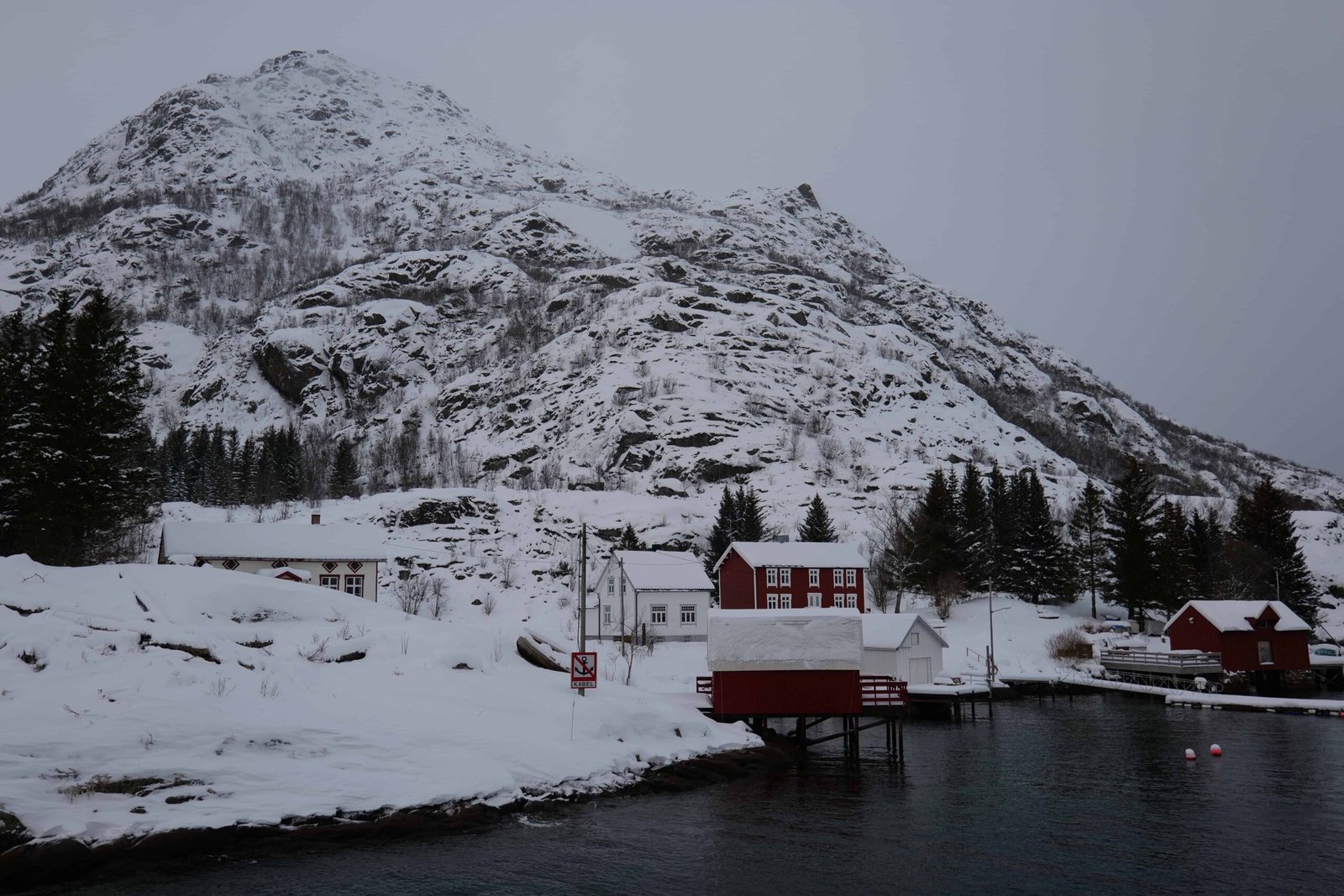
Norway
Norway in winter feels organised and reassuring, especially if this is your first winter solo trip. The cities and towns feel calm to explore (even Oslo!), public transport is generally reliable and solo travel is very normalised here, so I never felt awkward.
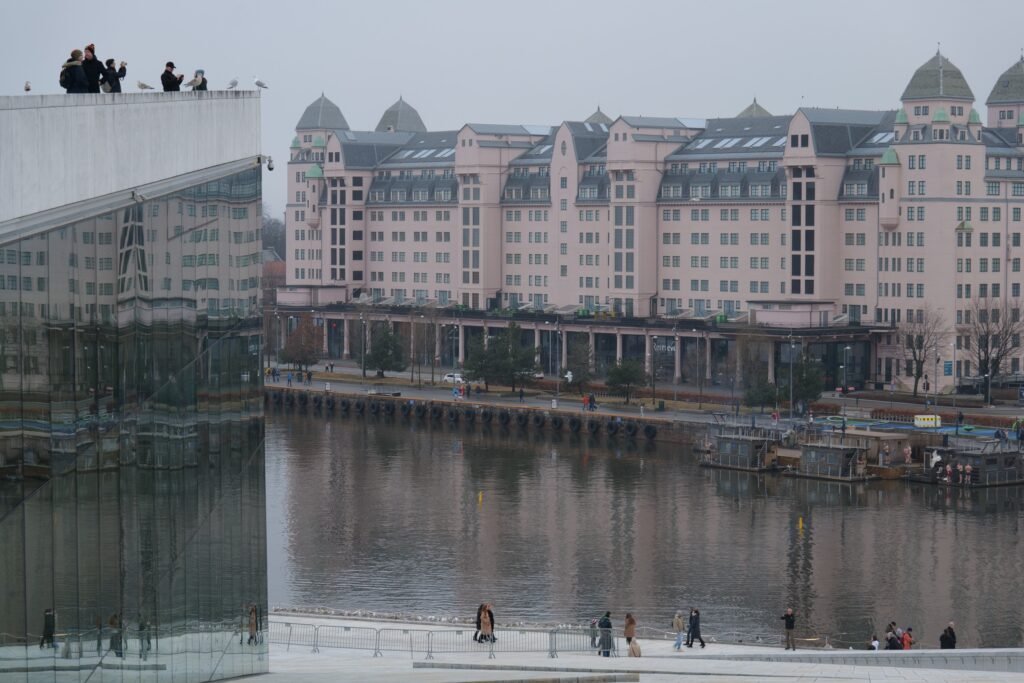
Iceland
Iceland in winter is raw and wild. The country is powerful, moody and, of course, spectacular. But Iceland is a small island in the middle of the ocean. Weather can change quickly, plans often need to adapt at the last minute, and nature is definitely in charge!
Iceland suits solo travellers who love adventure.
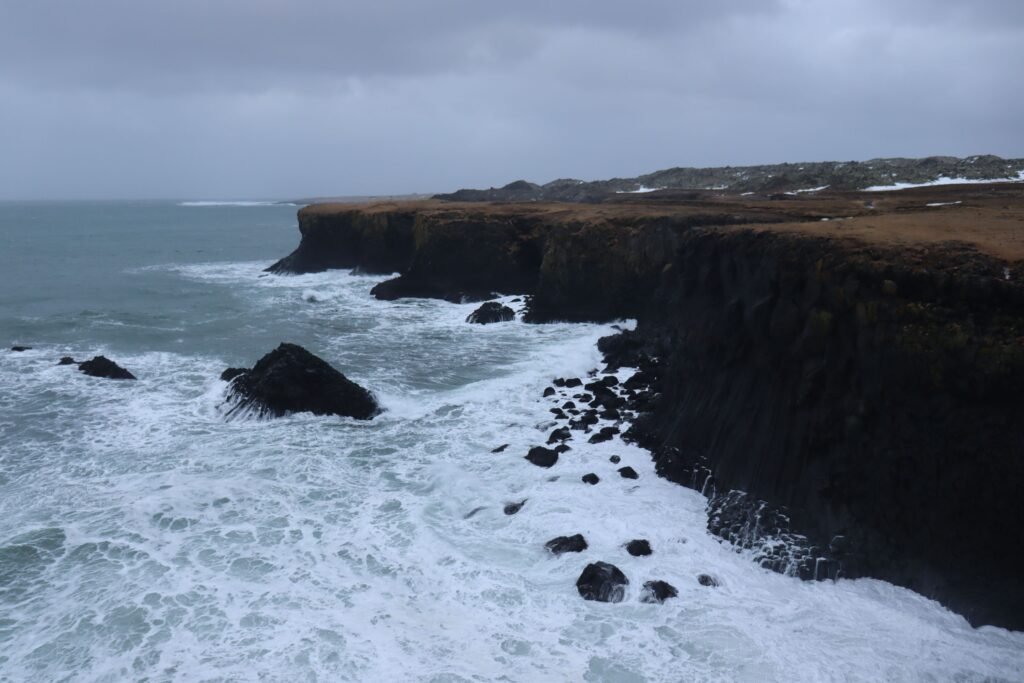
Norway vs Iceland: The Facts
Here is a quick overview of the facts that make Norway vs Iceland so different:
Norway Facts
Language: Norwegian, but English is spoken fluently almost everywhere.
Currency: Norwegian Krone (NOK). Cards are accepted almost everywhere.
Size: Large and spread out, with an approximate area of 385,207 square kilometres.
Transport: Trains, buses, internal flights, the Coastal Express, ferries, guided tours.
Population: Around 5.5 million.
Safety: High. Norway consistently ranks as one of the safest countries in the world.
Cost: Expensive
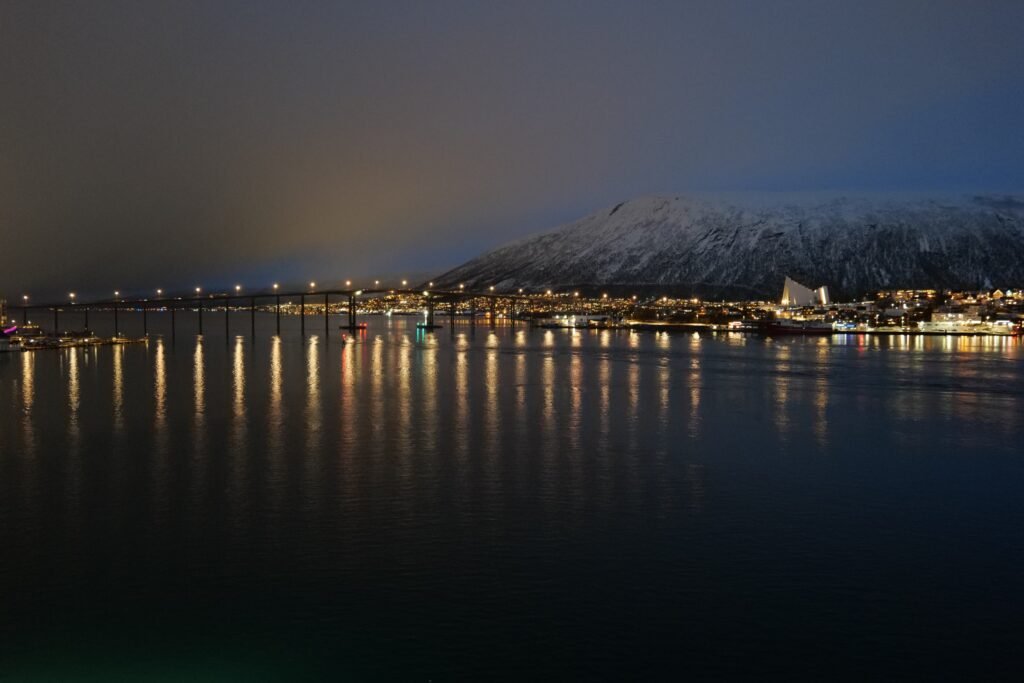
Iceland Facts
Language: Icelandic, but English is spoken fluently almost everywhere.
Currency: Icelandic Króna (ISK). Card payments are standard, so you won’t need cash.
Size: Small and compact, with an approximate area of 103,004 square kilometres.
Population: Around 364,000.
Safety: Very high. Iceland is ranked as the safest country in the world.
Cost: Very expensive
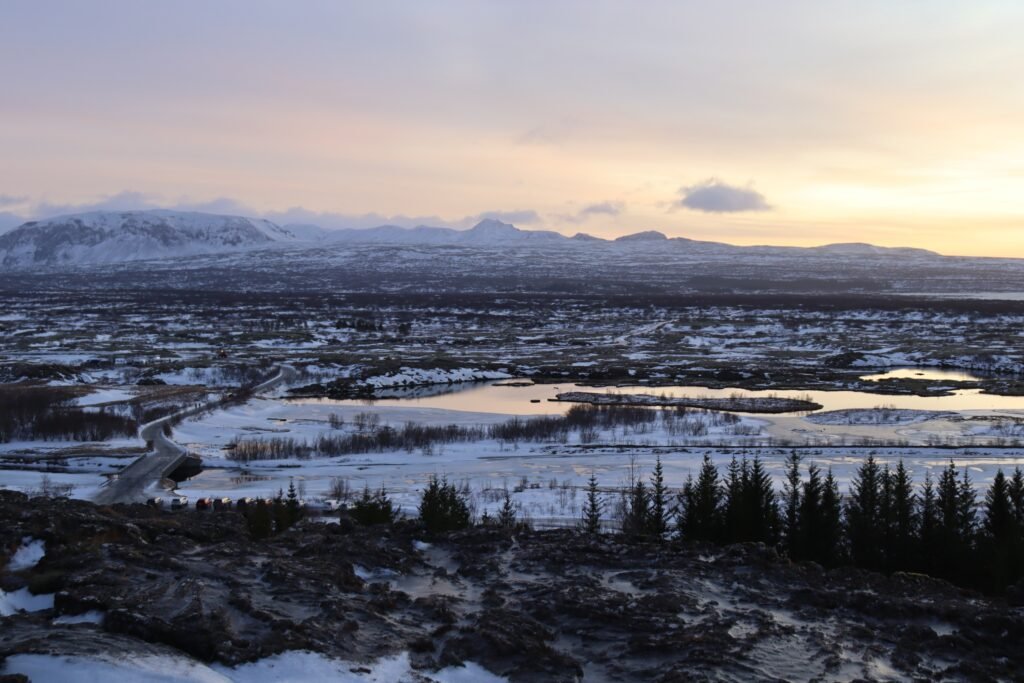
Norway vs Iceland: Winter Weather
Winter weather conditions are important to know before you decide, as they affect everything from safety and transport to what’s actually possible to see on your trip.
Norway Weather
Norway in winter is cold, but generally predictable. Temperatures and conditions vary a lot depending on where you are in the country.
For example, coastal cities like Bergen are milder and wetter (averaging temperatures between 2°C and -2°C). Whereas inland or northern areas like Tromsø are colder but drier.
At night near Tromsø in early March, I experienced lows of -18°C.
Snow is common and reliable in Norway, with heavy and thick snow especially common in the north above the Arctic Circle, but infrastructure is well-built to cope with it.
Daylight hours are also short in winter, especially above the Arctic Circle, where communities experience Polar Night (for example, in Tromsø between late November and mid-January).
Polar Night means the sun doesn’t rise at all. But it won’t be pitch black all the time, as you’ll get a spectacular Arctic blue light!
Katie’s Top Tip: As locals in Norway say, “don’t fear the cold, fear being underdressed.” Proper packing is so important for Norway in winter!
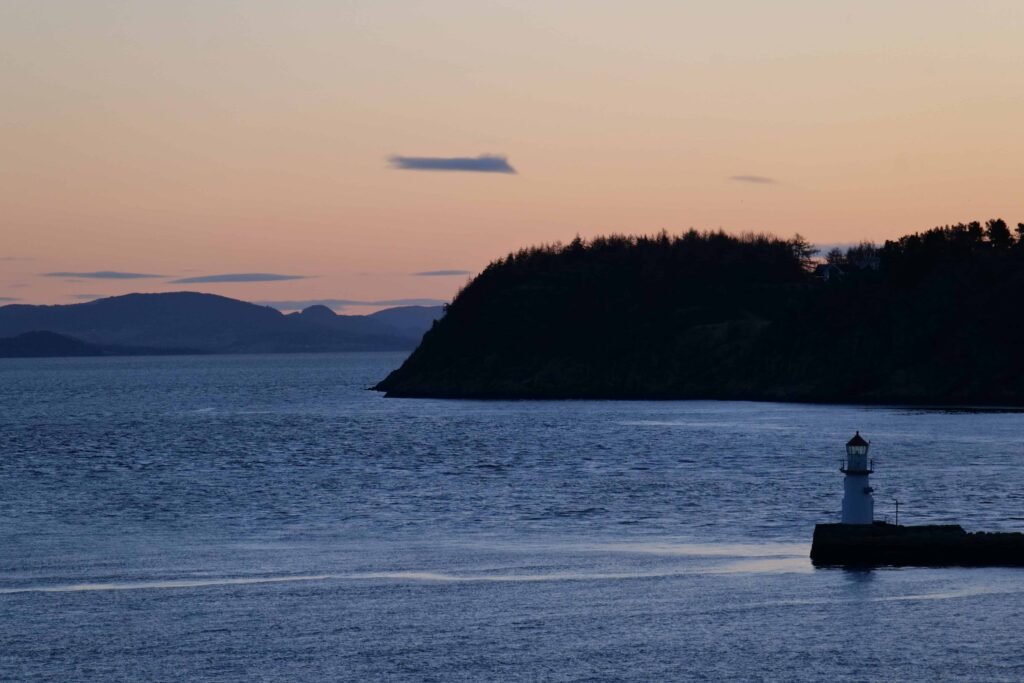
Iceland Weather
Iceland’s winter temperatures are milder than you probably expect, averaging between 2°C and -4°C. But the real challenge is wind.
Wind chill in Iceland, coming off the sea, makes the “feels like” temperature a lot colder.
Plus, strong winds, sudden storms, and fast-changing weather conditions are common, and can cause road closures or cancelled tours at short notice.
When I visited Iceland in January, my tour to the Snaefellsnes Peninsula almost had to be cancelled as the wind was just below the safety limit. And when exploring the South Coast, I experienced sideways heavy rain, strong winds and hail in just one hour!
Snowfall is less consistent than in Norway, especially in the south, but you will likely experience more inland (for example, around the Golden Circle).
Daylight is limited in winter, but not as extreme as in northern Norway. When I visited Reykjavik in January, the sun rose at around 10:45am and set at around 4:30pm.
Katie’s Top Tip: Always check daily weather and road updates in Iceland, even if you’re not driving, as tours and transport depend on these conditions.

Norway vs Iceland: Getting There
How easy it is to arrive (especially in winter) makes a big difference in how easy your trip logistics feel right from the start!
Getting to Norway
Norway has a lot more ways to arrive than Iceland does.
You can fly directly from the UK, many countries in Europe and many states in the USA to cities like Oslo, Bergen or Tromsø.
You could also arrive in Norway and explore via a cruise, for example, from the UK.
Or, if you’re already in Europe, driving or travelling by train is also a good option. There are direct trains from cities like Gothenburg or Hamburg, and main roads are well-maintained.
Katie’s Top Tip: What I loved most about getting to Norway was the flexibility! You can fly into one city, travel through the country by train or ferry and fly out from another city without doubling back. I flew into Oslo and out of Tromsø!
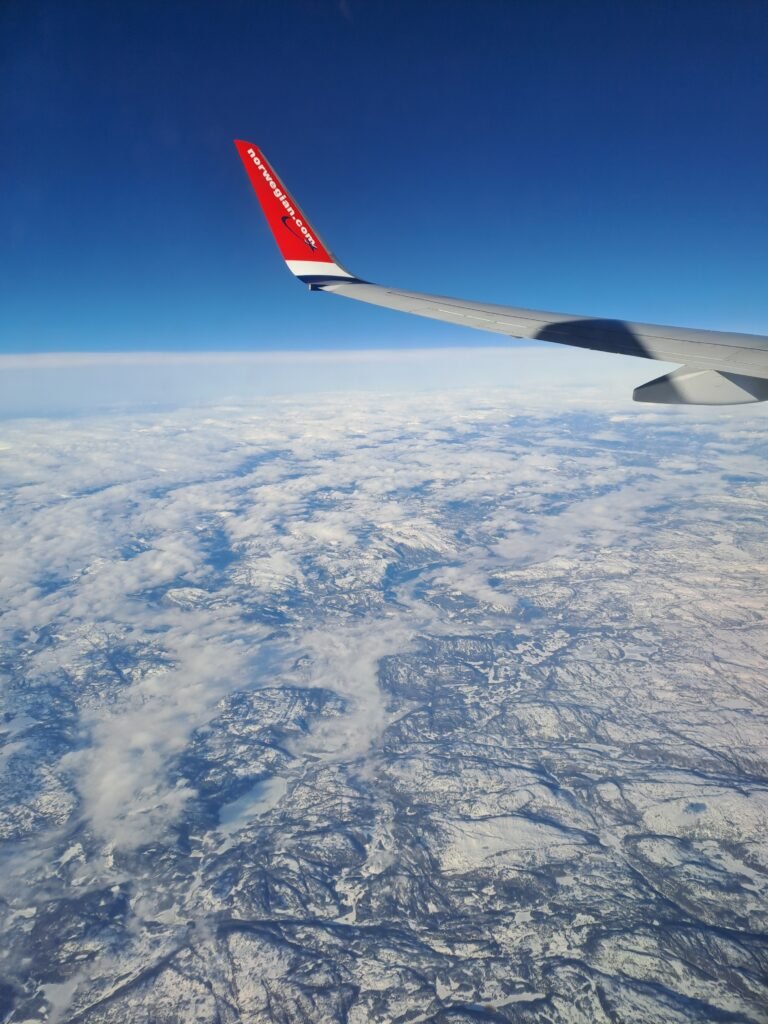
Getting to Iceland
Iceland is also easy to reach, but there are fewer options to choose from.
Keflavík is the country’s main airport, with direct flights between the UK, countries in Europe and some states in the US all year round.
You could also arrive by cruise, although winter cruise options are a lot more limited.
Katie’s Top Tip: Choose flights that arrive earlier in the day in winter, so you’ll arrive in Iceland in daylight (and leave time for any delays!)
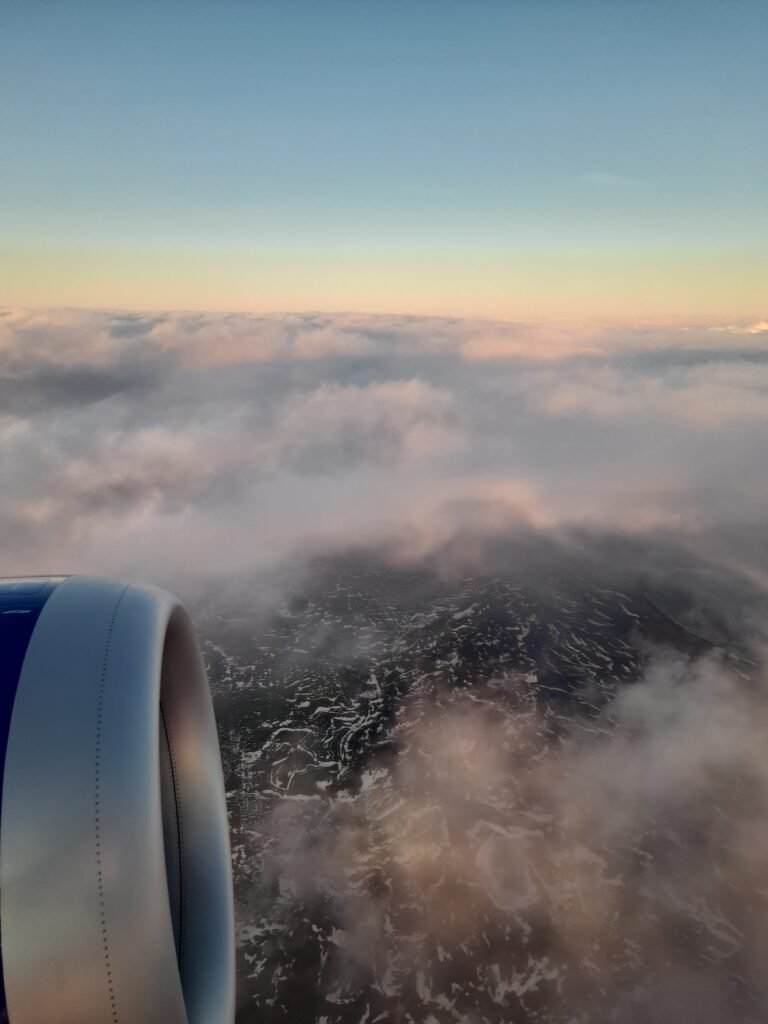
Norway vs Iceland: Getting Around
How easy it is to move around in winter can make or break your solo trip to Norway or Iceland.
Getting Around Norway in Winter
Norway is one of the easiest winter destinations I’ve ever travelled solo, thanks to how many amazing public transport options there are, connecting even to the most remote areas!
You can get around by train, bus, ferry, internal flight, guided tour or car.
During my three-week trip to Norway in February/March, I used all of these transport options (except self-driving), and they were all very reliable.
I only experienced one minor ferry delay and one tour cancellation due to strong winds.
Personally, my favourite ways to travel in Norway in winter are the scenic trains (specifically the Oslo to Bergen line) and the Norway Coastal Express ferry (with Hurtigruten or Havila).
Katie’s Top Tip: If you want a full breakdown of routes, costs and what works best in winter, I’ve shared everything I know in my detailed guide on how to get around Norway in winter!

Getting Around Iceland in Winter
Iceland is very different to Norway in terms of getting around.
Outside of Reykjavik, there’s no reliable public transport network for sightseeing in winter.
So getting around Iceland means either renting a car or joining guided tours from Reykjavik.
While driving gives you the most flexibility, winter driving conditions can be challenging, with black ice, strong winds, sudden storms and road closures.
That’s why, as a solo female traveller, I recommend booking guided tours in winter.
They remove the stress of driving, and you still get to experience all of the prettiest places Iceland has to offer with your amazing local guide!
During my trip in January, I personally based myself in Reykjavik and joined tours each day to explore Iceland’s Golden Circle, South Coast, Blue Lagoon and Snaefellsnes Peninsula.
Katie’s Top Tip: I’ve rounded up my personal recommendations and all of the tours I joined in my guide to the best day trips from Reykjavik!
Norway vs Iceland: Safety
Safety is a huge part of deciding Norway vs Iceland in winter as a solo female traveller. Both countries are some of the safest in the world, but it’s still important to consider.
Safety in Norway
Norway has low crime rates, and violent crime is rare. And I’ve always felt comfortable walking alone in cities like Oslo, Bergen and Tromsø, even at night.
The main risks in Norway aren’t people, but weather and nature – especially in rural or northern parts of the country.
Snow, ice, unpredictable weather and cold temperatures mean you need to dress properly and respect nature in order to stay safe in Norway.
Katie’s Top Tip: I go into far more detail in my guide to is Norway safe for solo female travel, including practical steps for safety in nature.
Safety in Iceland
Iceland also has low crime rates and is actually ranked as the safest country in the world.
Reykjavik in particular feels very safe.
I walked back through the city centre alone at 3am, after a Northern Lights tour, and felt totally comfortable (and I’ve never said this about anywhere else before, that’s for sure!)
But, like Norway, Iceland’s biggest safety risks are environmental.
Sudden storms, strong winds, icy paths, powerful sneaker waves on beaches, and fast-changing weather mean winter travel needs you to respect nature and the weather.
Katie’s Top Tip: I go into far more detail in my guide to is Iceland safe for solo female travel, including practical steps for safety in nature.
Norway vs Iceland: Cost Comparison
I’m gonna be honest, both countries are incredibly expensive to visit (as is all of Scandinavia). But there are some key differences when comparing Norway vs Iceland.
Costs in Norway
Norway is definitely pricey, especially for food and accommodation.
However, costs are more predictable and easier to make budget choices for than in Iceland.
For example, you can save money by booking public transport tickets far in advance, booking accommodation with breakfast included or access to a kitchen, or using public transport instead of guided tours.
Don’t get me wrong, trains and ferries aren’t cheap in Norway, but they are more affordable than booking guided excursions!
Katie’s Top Tip: Book accommodation with a shared kitchen so you can cook your own meals! I have detailed guides to where to stay in Bergen and where to stay in Tromsø, if you want more inspiration.

Costs in Iceland
Iceland in winter feels even more expensive than Norway because so many bucket-list experiences have to be tour-based in winter to be able to get around safely.
Plus, Iceland is very popular AND has to import most of its produce, so food and accommodation add up quickly too.
But, guided tours in Iceland include transport, local expertise and safety – which, for me, is definitely worth the cost!
Katie’s Top Tip: If you’re trying to save money, choose fewer, high-quality tours rather than trying to see everything in one trip. My highlights were the Golden Circle and Iceland’s incredible South Coast.
Norway vs Iceland: Things To Do
This is where the Norway vs Iceland in winter travel comparison really differs. On paper, the two countries sound very similar, with their dramatic landscapes and snow, but they’re actually very different. So I’m going to break it down by some of the most common sights.
Norway vs Iceland: Northern Lights
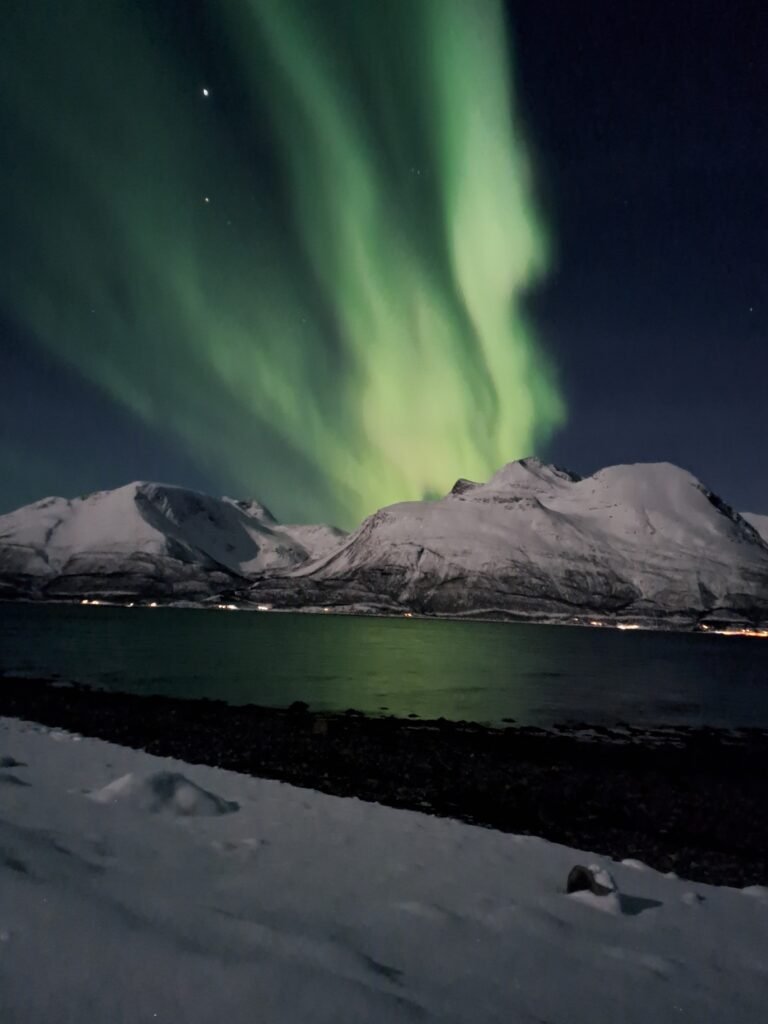
Northern Lights in Norway
Okay, so the Northern Lights are the #1 sight everyone wants to see when visiting Iceland or Norway in winter, right?!
Well, Norway actually has a big advantage for this over Iceland: its size!
Being able to travel inland, to the coast (or even as far as Finland and Sweden on some tours) means you can often out-drive cloud cover or bad weather.
Plus, Northern Norway (especially Tromsø and Alta) sits perfectly under the auroral oval, which is where the KP index is highest.
I’ve seen the Northern Lights four times in Norway, three times from the Coastal Express and once on an excursion in Tromsø.
And that Tromsø night was especially unforgettable, as we could see the lights moving across the sky with the naked eye!
Katie’s Top Tip: If Tromsø is on your bucket list, I’ve shared my favourite options in my guide to the best Northern Lights tours from Tromsø!
Northern Lights in Iceland
Iceland can absolutely be a great place to see the Northern Lights, too, but it’s a lot more weather-dependent.
After all, the country is very small, surrounded by the ocean, and very prone to cloud cover.
On my Northern Lights tour in Iceland, all we saw was a faint orange haze between clouds! Which was definitely disappointing, but not that unusual.
That absolutely doesn’t mean Iceland isn’t worth trying, but you need realistic expectations.
Katie’s Top Tip: If you want to see the Northern Lights in Iceland, give yourself plenty of time (at least a few days) and start joining tours from your first night. Although even so, it’s still not guaranteed. I stayed in Iceland for 5 days, and cloud cover spoiled my chances each night.
Norway vs Iceland: Fjords
Fjords in Norway
Norway’s fjords are deep and dramatic, and you can find them pretty much everywhere!
In winter, they’re quieter, moodier and the surrounding scenery and majestic mountains are dusted with snow, which just looks so stunning.
What I love about Norway is how accessible the fjords are, even without a car.
My two favourite fjords in Norway are:
1. Trollfjord near Svolvaer in the Lofoten Islands.
I first visited the mouth of the fjord with the Coastal Express itinerary and then visited again, this time entering the narrow fjord on a boat tour from Svolvaer.

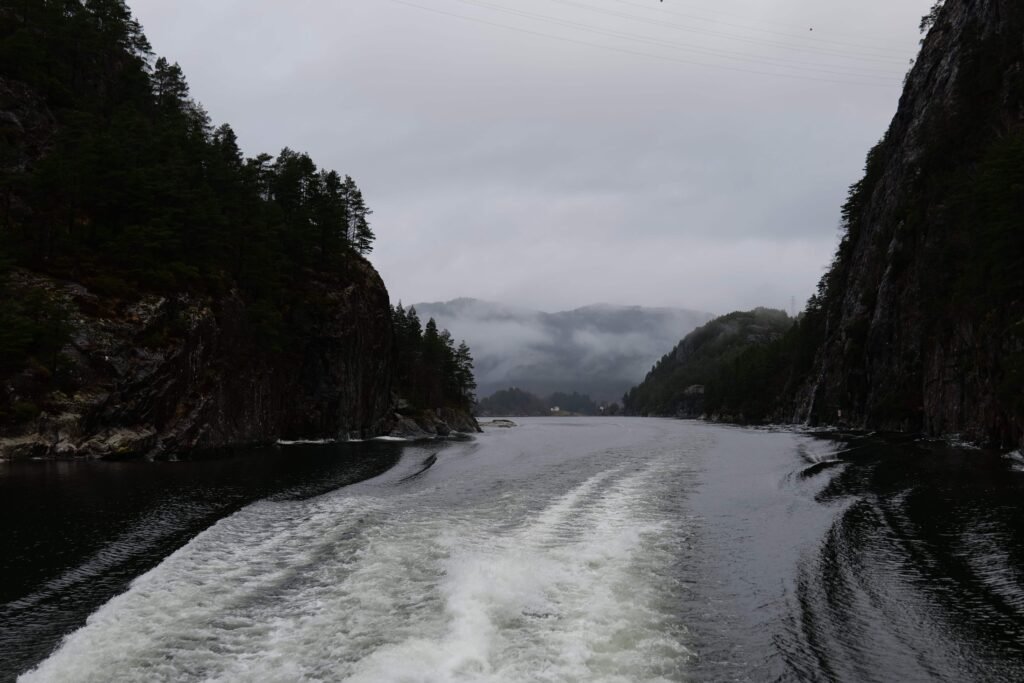
2. Mostraumen Fjord near Bergen
This fjord is so underrated in winter, with towering mountains, colourful huts and powerful waterfalls. I visited on a boat trip from Bergen.
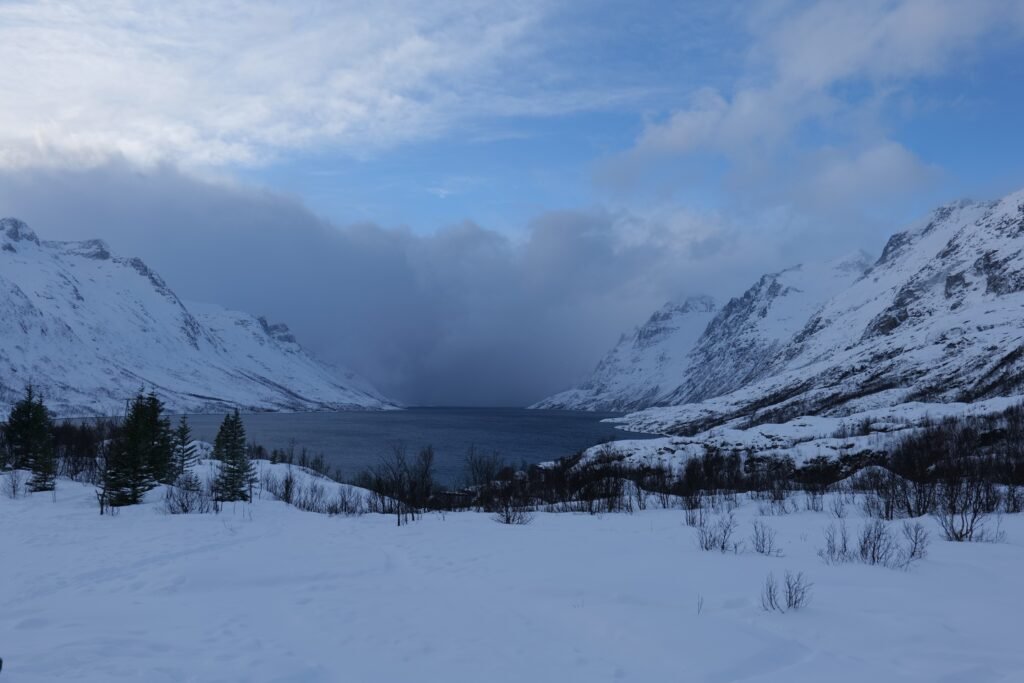
My favourite underrated fjords in Norway are Ersfjord, Øksfjord and Kjøllefjord.
The UNESCO-listed Geirangerfjord and Naerøyfjord are also iconic Norwegian fjords.
Katie’s Top Tip: If fjords are high on your list, Norway definitely wins for the number you’ll see, the spectacular surroundings and how easy it is to get there without a car!
Fjords in Iceland
Iceland does have fjords, but they’re located in the Westfjords and Eastfjords, which are harder to access in winter.
Roads can close at short notice, daylight is limited, and public transport isn’t an option.
Plus, day tours from Reykjavik don’t reach these regions, so you’d have to join a 7-day Iceland Ring Road tour.
That doesn’t mean Iceland’s fjords aren’t stunning (they definitely are!), but they’re also a lot more remote.
Katie’s Top Tip: If you have your heart set on seeing Iceland’s spectacular fjords in winter, book this 7-day Iceland Ring Road tour from Reykjavik to see all of Iceland’s highlights!

Norway vs Iceland: City Breaks
City Breaks in Norway
All of the Norwegian cities I have visited felt calm, safe and easy to navigate solo!
Oslo, Bergen and Tromsø all make amazing winter bases, whether you want a modern and cultural break (Oslo), a colourful and charming escape (Bergen), or to see the Northern Lights and join bucket-list arctic activities (Tromsø).
I also loved that I could base myself in one of these cities and still easily access amazing nature or Arctic experiences by train, ferry or guided tour!
Katie’s Top Tip: Tromsø is my favourite winter city break in Norway, as it’s small, social, there is loads to do, and it’s great for exploring fjords, seeing the Northern Lights and joining Arctic excursions.

City Breaks in Iceland
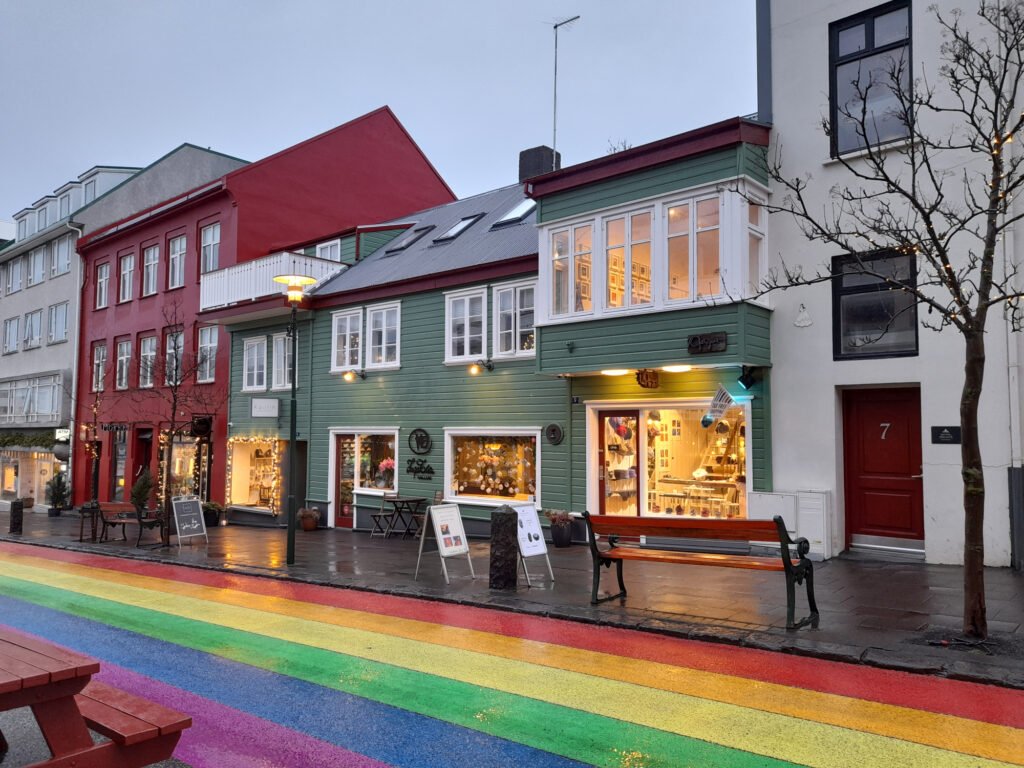
Iceland’s main city break is Reykjavik, and while it’s a very small capital, it also feels calm, welcoming and fascinating to explore!
It’s compact enough to visit the highlights on foot, in one or two days.
My favourite things to do in Reykjavik are:
- Hallgrimskirkja church
- The Rainbow Street
- Harpa concert hall
- The Sun Voyager sculpture
- Whale watching
Katie’s Top Tip: I recommend you use Reykjavik as a base to explore more of Iceland, especially with guided tours in winter. But also make sure you have at least a day to explore the city itself!
Norway vs Iceland: Glaciers
Glaciers in Norway
Norway isn’t well known for its glaciers, but they are vast and dramatic.
In fact, Norway is home to mainland Europe’s largest glacier: Jostedalsbreen.
However, Norway’s glaciers are located inland and off the typical tourist trail, so they are harder to reach. (It’s definitely worth the detour, though!)
Katie’s Top Tip: The best base is Olden or Loen in Nordfjord, western Norway.
Glaciers in Iceland
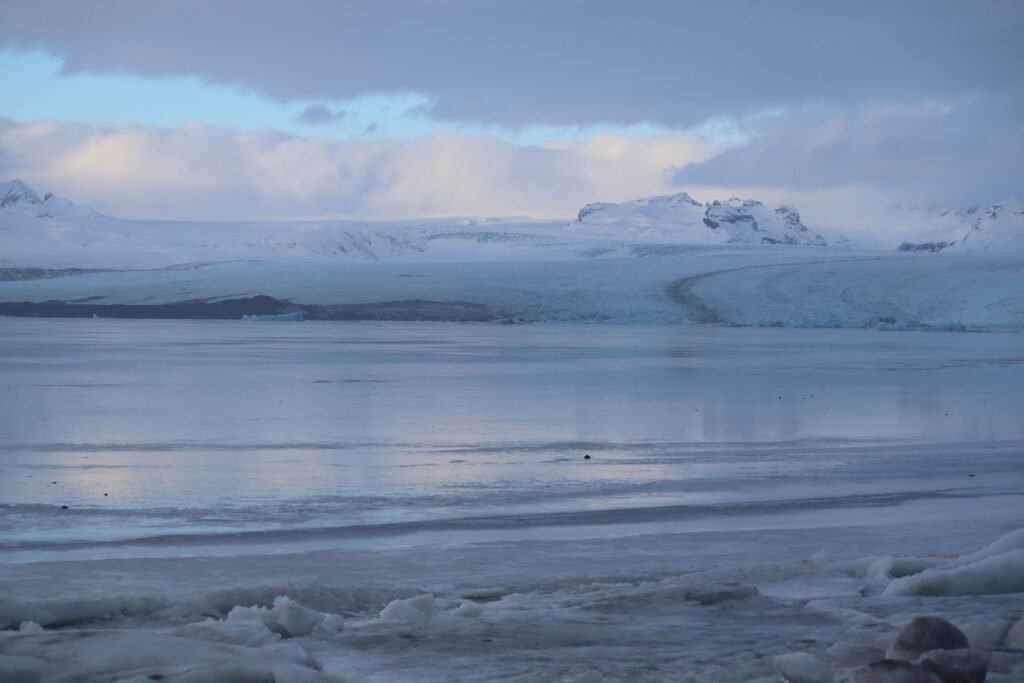
Iceland is the clear winner for easy glacier experiences!
Winter is the prime season for guided glacier hikes and ice cave tours, especially on glaciers like Vatnajökull. These tours are well-organised, safe and expert-led.
I personally visited Jökulsárlón Glacier Lagoon on an incredible day trip from Reykjavik.
I will never forget the way the winter sun shone on the ice, how the icebergs creaked and rolled in the lagoon, or how the seals lounged on the ice.
It was an incredible experience!
Katie’s Top Tip: Always book glacier activities like hiking or ice caving with certified guides – never attempt to explore them solo. It is so important to remain safe out on the ice in winter.
Norway vs Iceland: Mountains
Mountains in Norway
Norway is home to a number of incredible mountains, especially along the coast and surrounding the fjords.
The best way to see them is from the water, either with a fjord boat trip or on the Coastal Express, where the spectacular mountain and coastal scenery changes constantly.
Alternatively, you can choose to hike some of Norway’s mountains (although this is a lot less accessible in winter, with the exception of hiking around Torghatten).
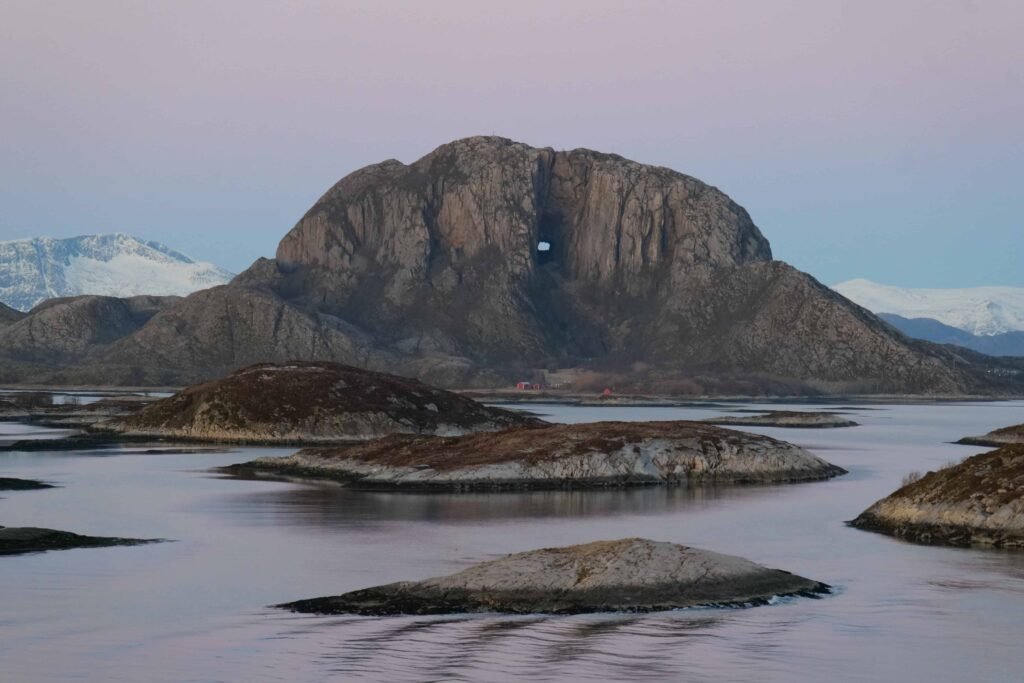
My two favourite mountains in Norway are the Seven Sisters mountain range and Mount Torghatten – the famous “mountain with the hole!”
You can see both of these on the Norway Coastal Express route (southbound).
Katie’s Top Tip: Scenic transport in Norway is an experience in itself! You can enjoy spectacular mountain scenery from trains, buses, ferries and guided tours throughout the country!
Mountains in Iceland
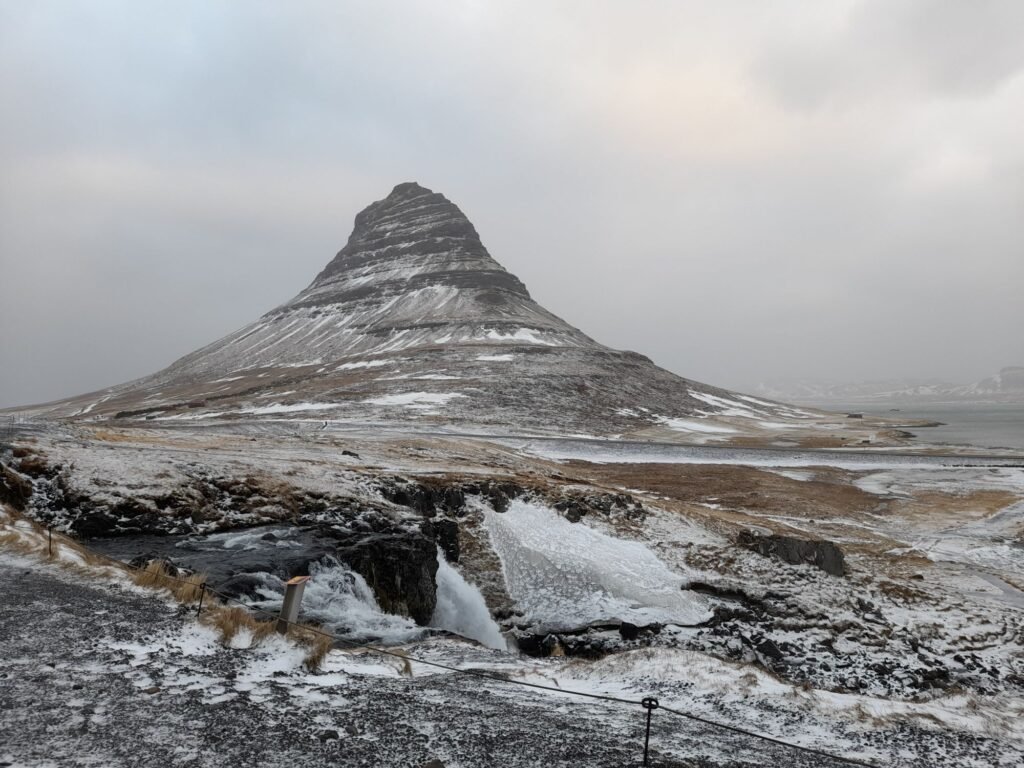
Iceland’s mountains are often volcanic, jagged and stark in the landscape, especially under snow.
You’ll usually experience them via tours or driving rather than everywhere like Norway.
Hvannadalshnúkur is the tallest peak, located in southern Iceland.
And Eyjafjallajökull, also in South Iceland, is one of the most famous thanks to the eruption in 2010 that disrupted travel around the world. (I was stuck in Venice during that!)
Katie’s Top Tip: You’ll pass some of Iceland’s best mountains and volcanoes on the Iceland South Coast tour from Reykjavik.
Norway vs Iceland: Hiking
Hiking in Norway
Winter hiking in Norway is focused on snowshoeing in the Arctic rather than traditional hiking, as a lot of the best hiking trails are closed in winter.
You can even join guided snowshoeing from Tromsø. It’s fun and typically Scandinavian!
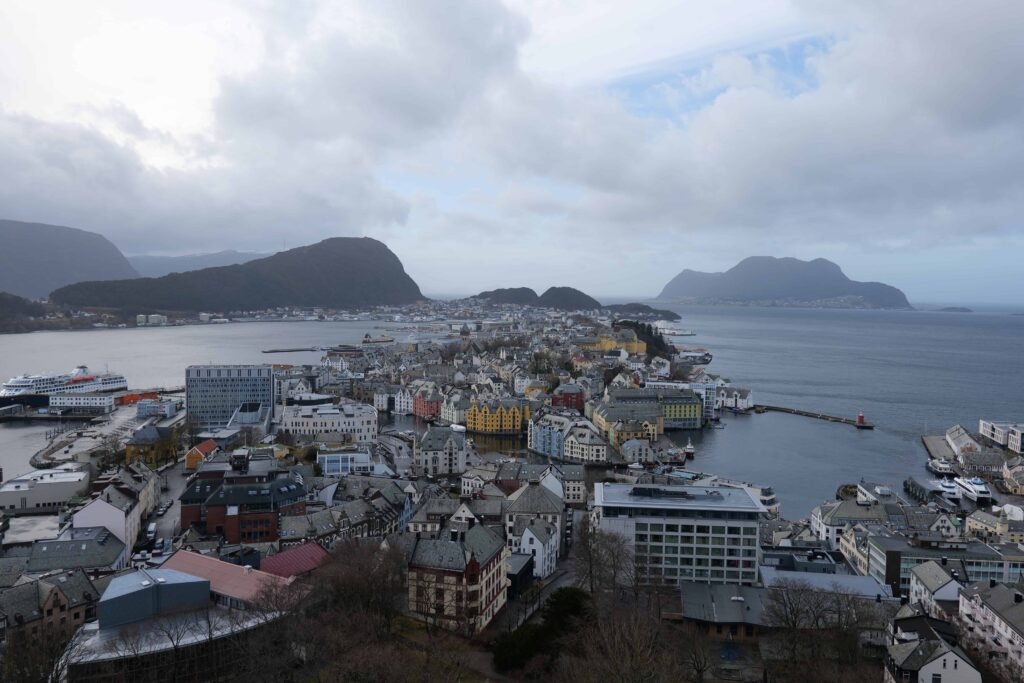
For a more traditional hike, I would recommend climbing the 418 steps up Mount Aksla in Ålesund, for breath-taking views over the Art Nouveau town, mountains and fjords.
I did this short hike in winter (February), and it felt very safe.
Katie’s Top Tip: For all the details on how to hike Mount Aksla from Ålesund in winter, I have a full guide you can check out!
Hiking in Iceland
Most traditional hiking routes in Iceland close in winter due to bad weather and snow
Instead, Iceland offers guided glacier hikes for a truly unique experience!
Katie’s Top Tip: Always book glacier hikes with a reputable, certified guide to ensure your experience is safe and enjoyable.
Norway vs Iceland: Winter Adventure Activities
Winter Adventures in Norway
In Arctic Norway, you can enjoy loads of typical winter activities like husky sledding, snowmobiling in the Lyngen Alps, reindeer experiences, snowshoeing with reindeer and cross-country skiing.
Activities are well regulated, ethical standards are high (especially when involving animals), and experiences are often deeply connected to the local Sami culture.
My favourite winter activity in northern Norway was husky sledding!
It was a true dream come true to cuddle with the adorable dogs and feel their power and excitement as they ran through the snow!
Katie’s Top Tip: Tromsø is the best base for joining winter adventures in Norway.

Winter Adventures in Iceland
Iceland’s winter adventures are adrenaline-driven and thrilling, so think exploring ice caves, snowmobiling and hiking volcanoes!
They’re exciting, high-energy and memorable, but also expensive and weather-dependent.
Katie’s Top Tip: These activities are often the highlight of any Iceland trip! So pick one or two that you’re most excited about rather than trying to do everything.
What’s Unique About Iceland
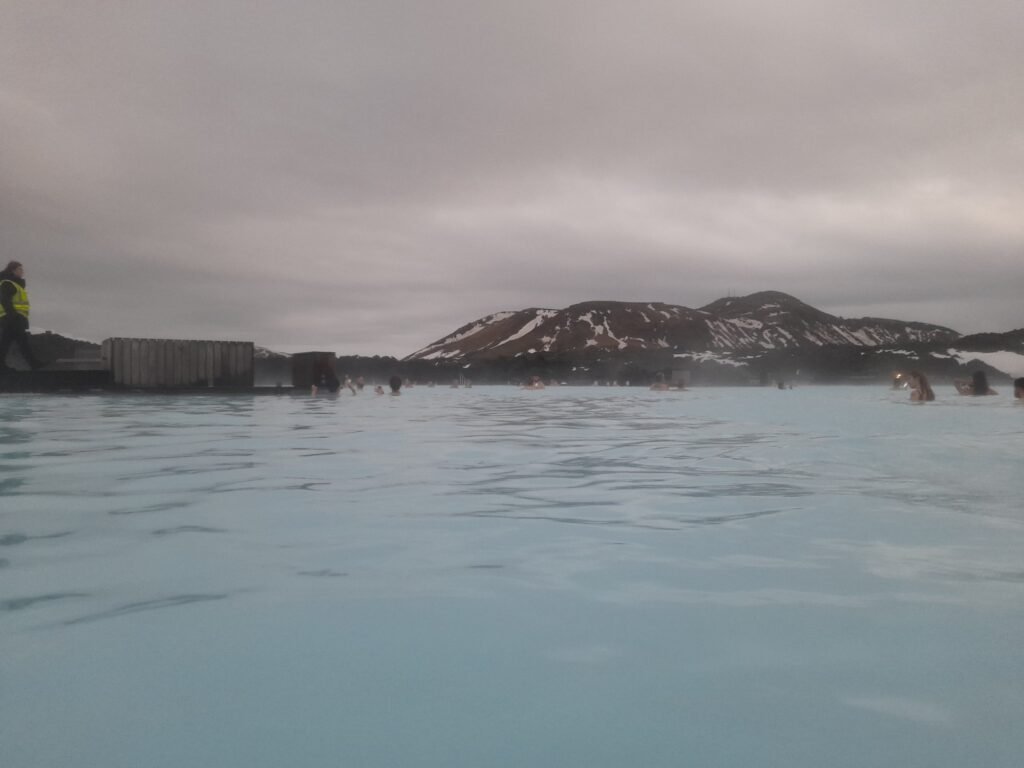
Iceland’s volcanoes, geothermal landscapes, lava fields and hot springs are unique and unlike anywhere else in Europe – including Norway.
Bathing in naturally heated water while snow falls around you is especially magical. And places like the Blue Lagoon may be very hyped and touristy, but I loved it!
Plus, they’re all experiences Norway can’t replicate (except for a small hot spring in Lofoten).
Katie’s Top Tip: If you want to explore volcanoes, see geothermal landscapes and vast lava fields, and soak in the steaming waters of a hot spring, Iceland is where you need to head!
What’s Unique About Norway
Norway doesn’t have volcanoes or hot springs, but it does offer a lot more variety in its landscapes.
Fjords, Arctic wildlife, Sami culture, and long scenic journeys make winter travel amazing!
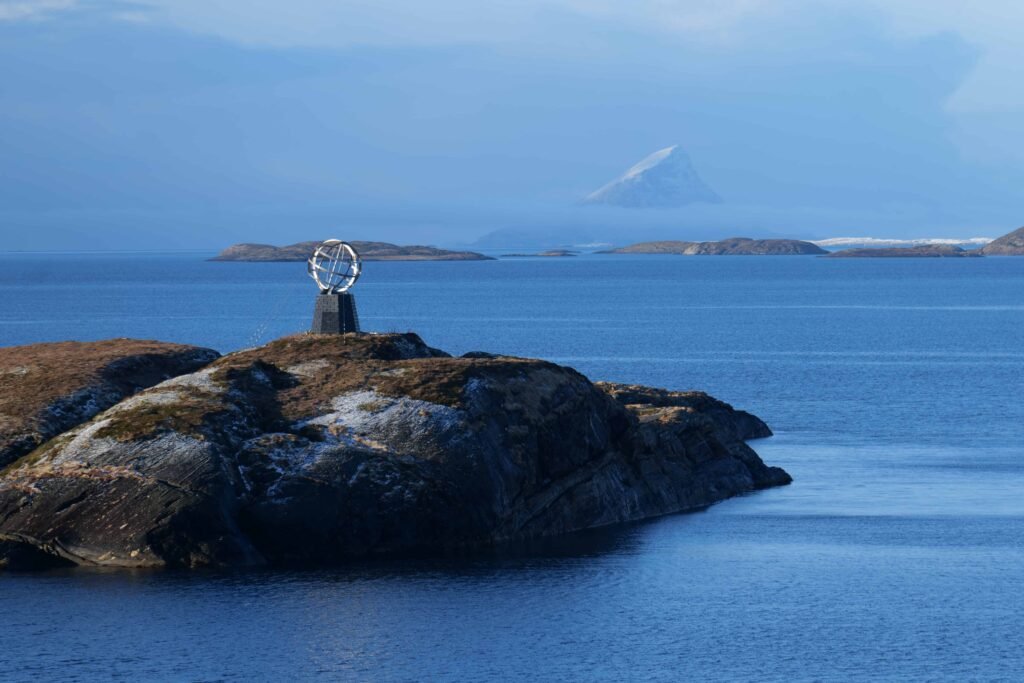
Plus, Norway is also the easiest place to experience crossing the Arctic Circle.
In Iceland, the only part north of the Arctic Circle is tiny Grímsey Island. But in Norway, the famous invisible line runs right through the country in Nordland county!
I personally crossed the Arctic Circle and saw the famous globe on Vikingen Island with Havila on the Norway Coastal Express itinerary.
Katie’s Top Tip: If you just want to say you’ve been above the Arctic Circle, head directly to Tromsø. But if you want the exciting experience of actually crossing that line, I highly recommend the Coastal Express!
Norway vs Iceland: Accommodation
Choosing where to stay in winter is not just about picking a nice hotel but about safety, accessibility, and not making your life harder than it needs to be when it’s cold and dark!
Accommodation in Norway
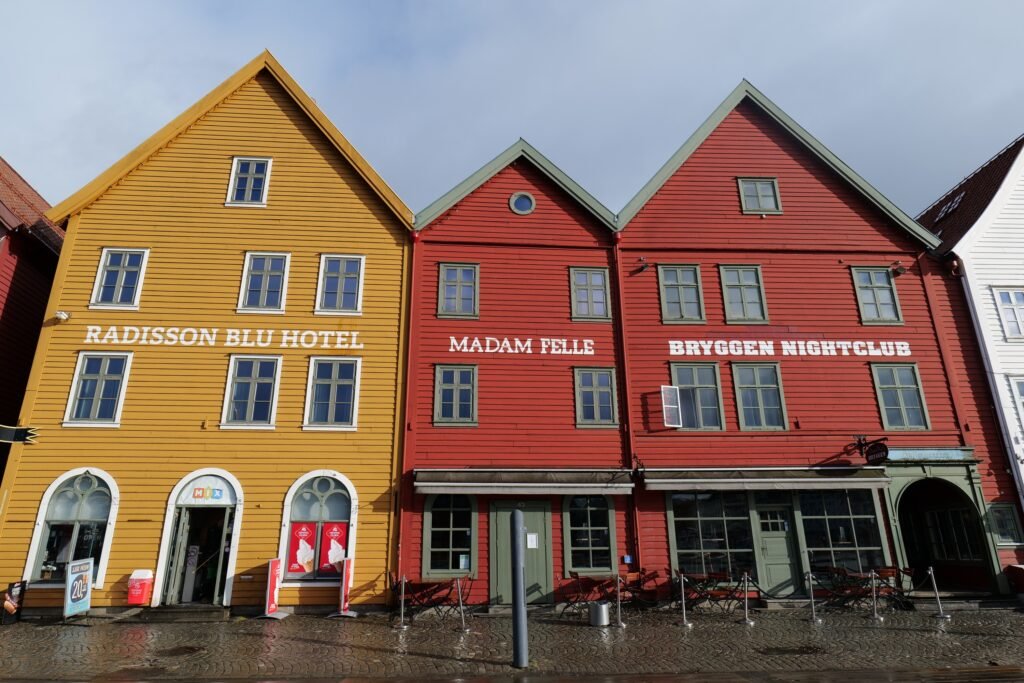
Norway offers a huge range of accommodation styles that work well for solo travellers in winter, from cosy city hotels to scenic lodges out in nature.
In cities like Oslo, Bergen and Tromsø, you’ll find plenty of modern hotels with friendly staff, good transport connections and comfortable rooms.
And even in the smallest towns, you’ll often find a Thon or Scandic hotel to choose from!
These are my favourite hotels throughout Norway:
Oslo: Citybox Oslo
Bergen: Radisson Blu Royal Hotel
Tromsø: Ami Hotel
Trondheim: Scandic Bakklandet
Ålesund: Hotel Brosundet
I also have a full guide to where to stay in Bergen, where to stay in Tromsø, and which cabin to pick on the Havila Coastal Express.
Katie’s Top Tip: Prioritise location over all else in Norway. Being walkable to transport, supermarkets, restaurants, tour pick-ups and things to do matters so much in winter.
Accommodation in Iceland
Iceland’s accommodation scene is much more concentrated around Iceland’s capital.
Most solo travellers base themselves in Reykjavik, where you’ll find plenty of hotels, hostels, guesthouses and apartments to stay in.
My favourite hotel in central Reykjavik, where I personally stayed, is Center Hotels Plaza.
Once you leave Reykjavik, accommodation becomes more limited and books up quickly, especially along the South Coast (for example, the town of Vik).
If you’re joining a full Iceland Ring Road tour, all accommodation is included, which removes so much stress!
I have a full guide to where to stay in Reykjavik.
Katie’s Top Tip: If Iceland is your first solo winter trip, stay in Reykjavik and base yourself there. It simplifies transport, safety and disruptions, plus you can easily join tours to see more!
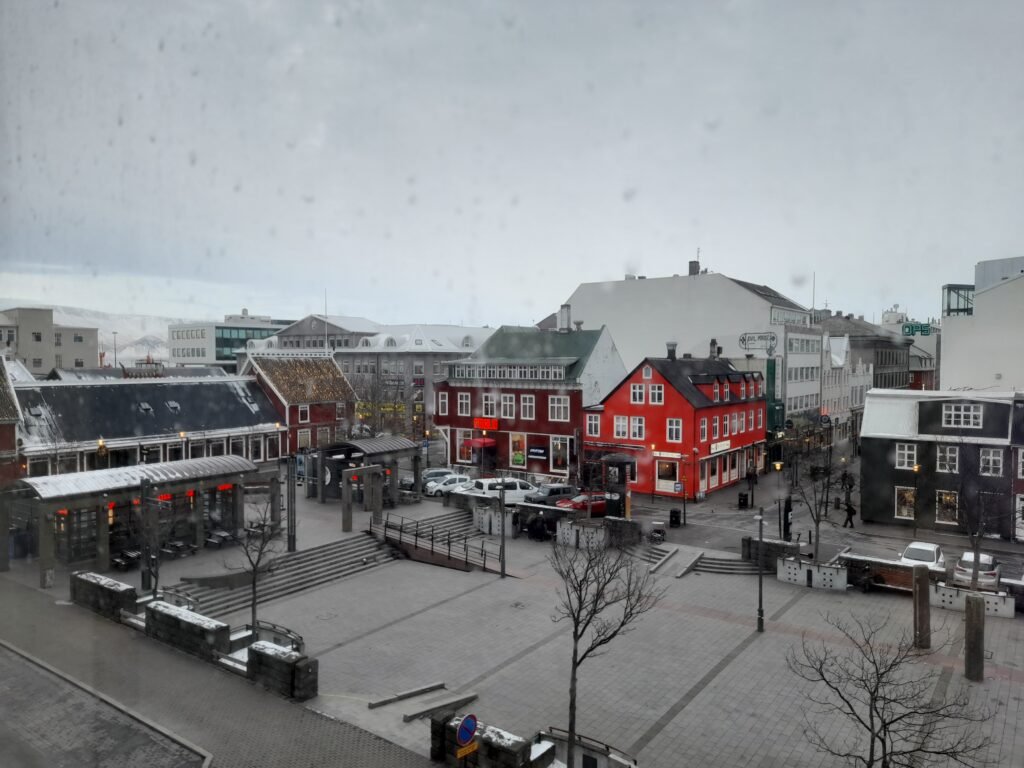
Norway vs Iceland: Food
Food might not be the first thing you think about when planning Norway vs Iceland in winter, but there are real, noticeable differences here.
Food in Norway
Norway surprised me with how varied and high-quality the food scene was, especially in the cities!
You’ll find everything from traditional Nordic dishes to international food, cosy bakeries and casual cafés.
Plus, eating out alone feels completely normal, both for locals and tourists.
Supermarkets in Norway are also amazing, with lots of ready-to-eat options if you want to save money instead of always eating out at restaurants.
Katie’s Top Tip: Book accommodation with access to a kitchen if you really want to save on food costs!
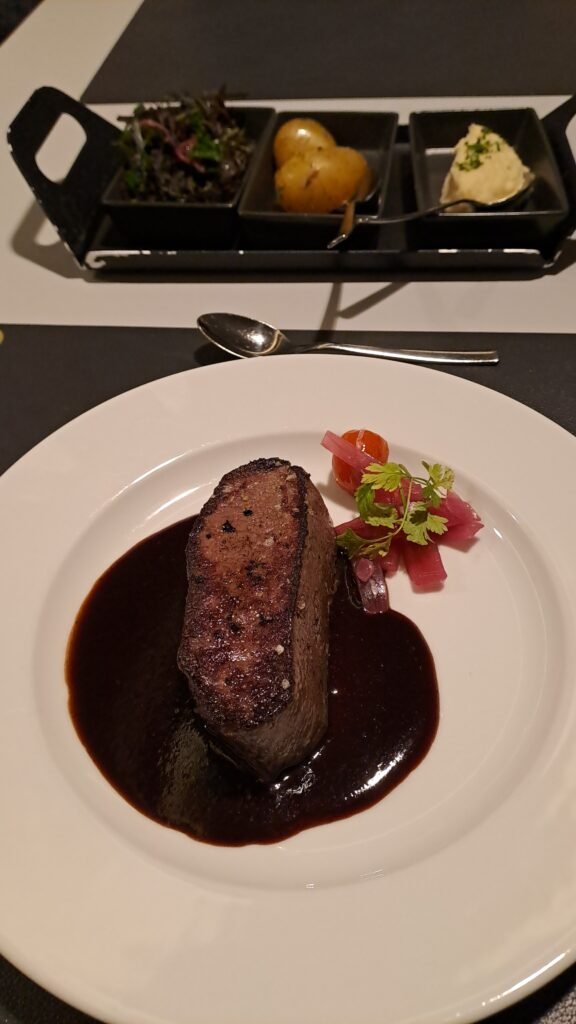
Food in Iceland
Iceland’s food scene felt more limited to me, and it is, of course, expensive.
Reykjavik has some excellent restaurants, but you’ll notice a strong presence of American fast food alongside more traditional dishes like fish soup and lamb.
As someone who doesn’t eat fish, I struggled to find dishes that weren’t just chips!
However, like in Norway, supermarkets are a lifesaver for your budget!
I booked a hotel with breakfast included, made a supermarket lunch each day and then had a hot dinner out in the evening.
Katie’s Top Tip: Eating alone also felt fine in Reykjavik, and completely normalised.

Norway vs Iceland: Sustainable & Ethical Travel
Sustainability matters when you’re travelling to some of the most fragile natural landscapes.
Sustainable Travel in Norway
Norway has invested in sustainable tourism for a long time, especially through public transport.
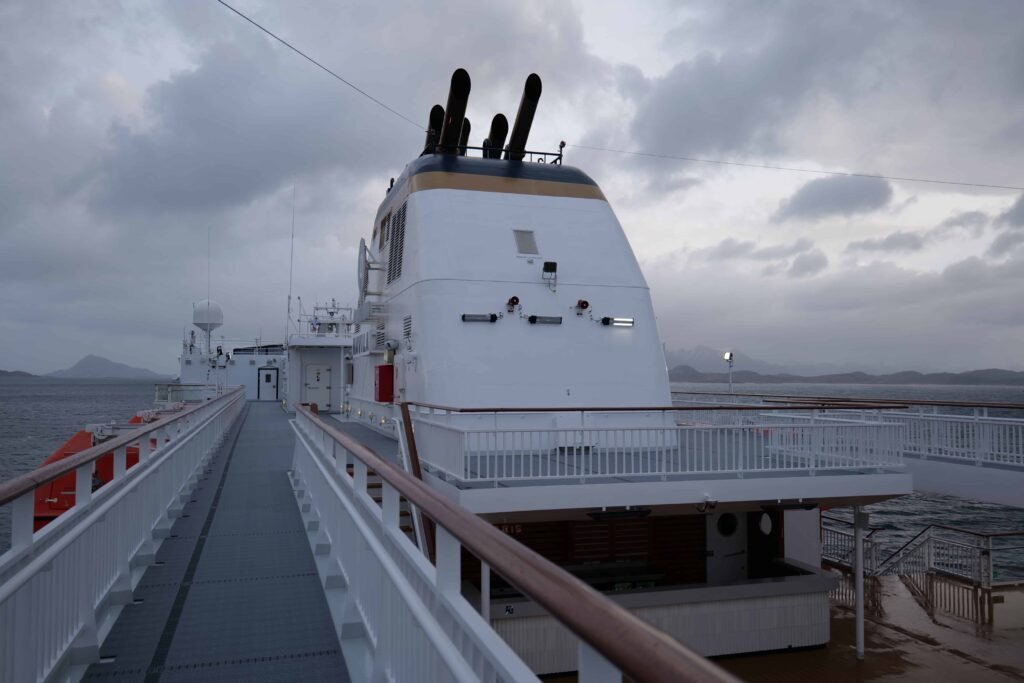
Trains, ferries and the Coastal Express allow you to see spectacular scenery without relying on cars. And Havila ferries aim to be at zero emissions by 2030.
Reputable wildlife tours are also well-regulated and ethical for the animals.
And there’s a strong local cultural respect for nature, which tourists are expected to follow too.
Katie’s Top Tip: I also appreciated how tourism is spread across the regions in Norway, which helps reduce pressure on single hotspots.
Sustainable Travel in Iceland
Iceland is actively trying to manage overtourism, but it’s tough as it grows more popular
The country’s natural landscapes are small and fragile, but locals also rely on tourism for a lot of their income, so it’s a difficult balance.
Joining guided tours is actually one of the most ethical ways to travel in Iceland, as the guides can educate you to reduce environmental damage.
Wildlife and nature protection are also taken very seriously in Iceland.
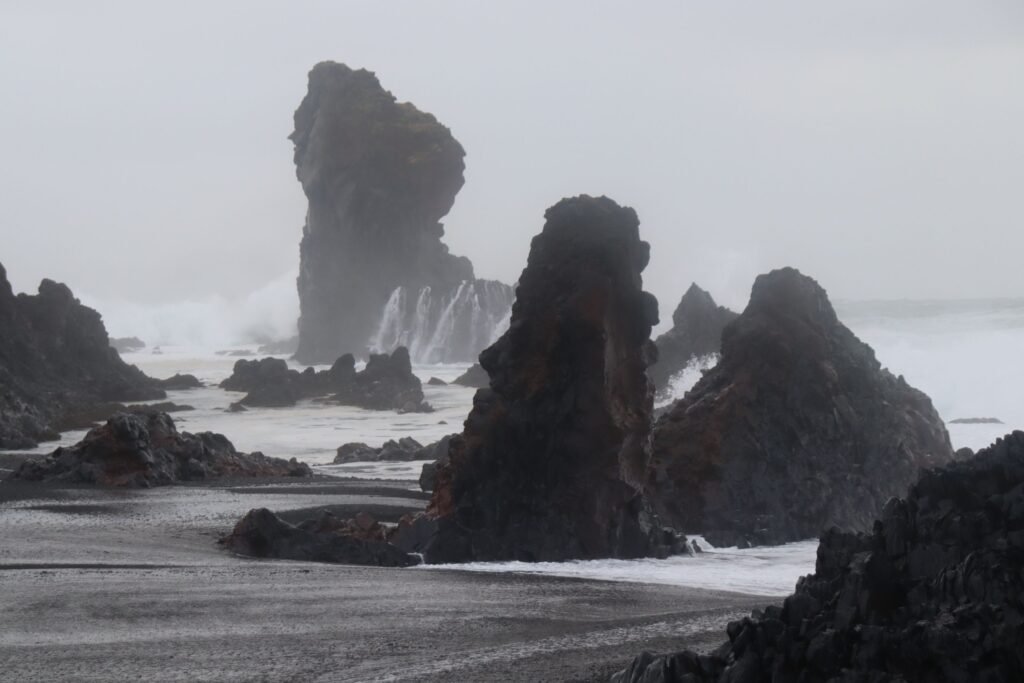
Katie’s Top Tip: Never walk on the lava fields in Iceland. These landscapes are extremely fragile, and we must all do our bit to protect them for future generations.
Final Verdict: Norway or Iceland in Winter?
Choose Iceland if…
You want an adventurous escape, dramatic landscapes, structured guided tours, and like the idea of basing yourself in one place while guides handle winter logistics for you!
Iceland is also ideal for shorter trips and solo travellers who are interested in geology, glaciers, volcanoes and hot springs.
Choose Norway if…
You want to see a variety of spectacular landscapes, enjoy scenic public transport, and have more freedom to explore at your own pace.
Norway is ideal for longer winter trips (mine was three weeks!), slow travel, and solo travellers who want a mix of cities, fjords, the Northern Lights and Arctic experiences.
My personal pick…
For Norway vs Iceland in winter, I do genuinely love both, but my heart goes to Norway!
It offers more flexibility, feels calmer in winter, and the country’s size means you can often adapt to the (sometimes crazy!) winter weather.
If you’re still deciding, here is my Norway Travel Hub and Iceland Travel Hub with all of the resources, tips and itineraries you need to plan your dream solo trip!
FAQs: Norway vs Iceland in Winter
Is Norway or Iceland better for solo female travellers in winter?
Both countries are very safe in their own right, but they feel different as a solo woman in winter.
To me, Norway felt calmer and more structured, with plenty of reliable public transport options, cities that are easy and not overwhelming to navigate alone, and more space to change your plans and get away from bad weather (especially for the Northern Lights).
Iceland is also extremely safe, especially in Reykjavik, but winter travel relies on tours or driving. That’s not a bad thing, it just means less flexibility.
If you like having local guides handle logistics, Iceland works beautifully! If you want more independence, Norway wins.
Do I need a car in Norway or Iceland in winter?
In Iceland, yes, unless you’re happy relying on guided tours from Reykjavik. Public transport outside the capital is extremely limited, and winter road conditions are challenging.
In Norway, absolutely not. And this is one of the biggest differences between Iceland vs Norway. Trains, buses, ferries, internal flights and the Coastal Express connect even the most remote areas.
Where is it easier to see the Northern Lights: Norway or Iceland?
Norway has an advantage over Iceland for the Northern Lights because it’s much larger, so you can move around to escape cloud cover. And in places like Tromsø, you can even drive as far as Finland with a guided tour to improve your odds.
In Iceland, Northern Lights are absolutely possible, but the weather is more unpredictable, and if it’s cloudy, there’s nowhere else to go.
Which is cheaper in winter: Norway or Iceland?
I’m gonna be real, neither Norway or Iceland is cheap! But in my experience, Norway is easier to budget. Supermarkets are excellent, public transport saves money on tours and car hire, and there are more accommodation options to choose from within your budget.
How many days do I need for Norway or Iceland in winter?
For Iceland, 4–7 days is ideal if you’re basing yourself in Reykjavik and joining tours. I spent 5 days in Iceland in winter.
For Norway, at least 7–10 days is ideal, and I would recommend basing yourself in one or two cities or joining the Coastal Express (12 days).
Read More About Travel in Norway:
- Northbound vs Southbound Norway Coastal Express: Compared
- What to Wear in Norway in Winter? (+ Norway Packing List)
- How to Plan a Trip to Norway in Winter (Step-by-Step Guide)
- Norway vs Iceland in Winter: Ultimate Solo Travel Comparison
- Where to Stay in Bergen (+ Best Areas For Solo Travellers)
- Where to Stay in Tromsø (+ Best Areas For Solo Travellers)
- Hurtigruten vs Havila: Which is Best For Solo Travellers?
- Is Saltstraumen Worth Visiting from Bodø? (+ What to Expect)
- How to Get Around Norway in Winter (Without a Car!)
- How to Visit Trollfjord: Northern Norway’s Most Iconic Fjord
- How to Visit Mostraumen Fjord (Bergen’s Best Day Trip!)
- 7 Things To Do in Hammerfest (Hammerfest Travel Guide)
- Mount Aksla Hike: How to Find the Best Ålesund Viewpoint
- 8 BEST Things To Do in Brønnøysund, Norway: Havila Port Stop
- 21 Most Beautiful Places in Norway You Have To Visit
Read More About Travel in Iceland:
- How to Get Around Iceland Without A Car (Winter Edition)
- The ULTIMATE Iceland Winter Packing List For Women (2026)
- Visiting Iceland in January: Must-See Sights, Weather & Tips
- Where To Stay in Reykjavik (For First Time Solo Travellers)
- Norway vs Iceland in Winter: Ultimate Solo Travel Comparison
- The Ultimate Iceland Solo Female Travel Guide (For 2026!)
- Iceland’s Snaefellsnes Peninsula in Winter (Without a Car!)
- How to Visit Iceland’s South Coast in Winter (Without a Car)
- 7 Unmissable Day Trips From Reykjavik in Winter (No Car!)
- How to See Iceland’s Golden Circle in Winter (Without a Car)
- Iceland’s Blue Lagoon in Winter: What to Expect (and Pack!)
- 15 Iceland Travel Tips for Winter You’ll Be Glad You Know
- How Many Days Do You Need in Iceland in Winter?
- How to Spend 5 Days in Iceland in Winter (Without A Car!)
- 19 Prettiest Places in Iceland Every Traveller Must See
Grab Your Solo Female Travel in Europe Starter Kit:
Pin Me For Later!


