
Visiting Iceland in January: Must-See Sights, Weather & Tips
Visiting Iceland in January feels like a bit of a bold decision, right?
After all, it’s a country with winters famous for icy roads, incredibly short days and, of course, dramatic weather headlines…
But it ended up being one of the most magical solo trips I’ve ever taken!
I spent 5 days solo in Iceland, exploring snowy landscapes, soaking in hot springs, and learning (often the hard way) what January in Iceland is actually like once you’re there.
And that trip is exactly why I wrote this guide.
I share EVERYTHING I wish I’d known before I booked – from what to pack for January specifically, to what the weather is really like, to the reality of chasing the Northern Lights – without setting yourself up for disappointment.
Ready? Let’s talk must-see sights, winter weather, daylight, Northern Lights expectations, and all of the small details that no one talks about – but you absolutely need to know!
Disclaimer: Some of the links on this blog are affiliate links. That means if you click on one and make a purchase, I may earn a small commission – at no extra cost to you. I only recommend products, places and services I genuinely love and use on my own solo travels. Thank you for supporting my adventures so I can continue to provide free content on this blog! 💛
Visiting Iceland in January: At a Glance
Weather: Cold, changeable, unpredictable, a mix of snow and rain
Daylight: Between 4 and 7 hours, depending on the date
Highlights: Northern Lights, ice caves, steaming hot springs, snowy scenery
Challenges: Driving conditions, weather delays or cancellations
Where To Stay: Center Hotels Plaza, Reykjavik
How to see it all safely: With an 8-day, small-group Iceland Ring Road tour!
Is January a Good Time to Visit Iceland?
Yes, January is a good time to visit Iceland – but only for some kinds of travellers.
It’s slower, moodier, quieter and more unpredictable than any other time of year… but honestly, that’s a huge part of what makes Iceland in January so magical!
But, of course, that magic also comes with real trade-offs you must know before you book.
I visited Iceland in January as a solo female traveller and loved it, but definitely not because it was easy!
I loved it because I went into my trip prepared, flexible, and with realistic expectations.
Let’s break down both sides:
The Pros of Visiting Iceland in January
For me, one of the biggest pros of visiting Iceland in January is the lack of crowds!
Popular places like the Golden Circle, South Coast waterfalls, and even Reykjavik itself feel calmer and more local in January.
Whereas those same attractions are often overwhelmed by tourists at other times of year.
I loved that I could take my time at each place, actually enjoy the scenery, and never felt rushed or overwhelmed by crowds of people.

Plus, January also delivers the kind of winter landscapes I could only ever dream about here in the South East England, where we haven’t seen snow in my hometown for six years!
Snow-covered lava fields and mountains, majestic glaciers under a spectacular winter light, frozen waterfalls, and steamy hot springs all made my trip dramatic and unforgettable in the best possible way!
And of course, there’s the potential for Northern Lights in Iceland in January.
They’re never guaranteed (more on that later), but January has dark skies and long nights, which gives you a good chance of seeing them if the weather cooperates.
Katie’s Top Tip: If crowds stress you out, spoil your enjoyment of places or make you feel less confident travelling solo, January is such a beautiful time to visit Iceland!
The Cons of Visiting Iceland in January
Okay, I’ve told you a bit about why I love Iceland in January so much, so let’s now talk about the parts people tend to gloss over.
First, daylight is still very limited at this time of year.
Early in January, you’ll get around 4 hours of daylight, slowly increasing to around 7 hours as the month goes on.
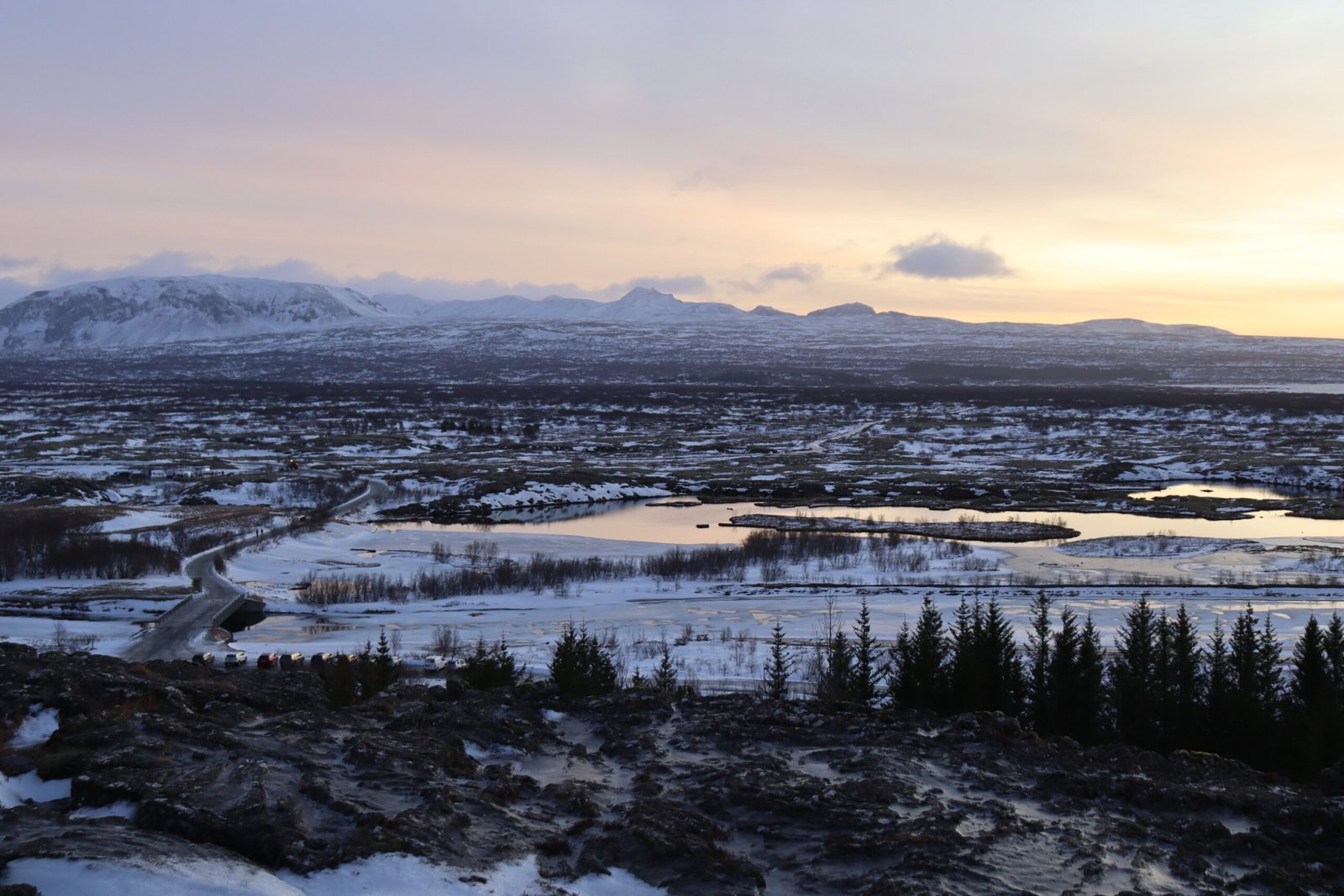
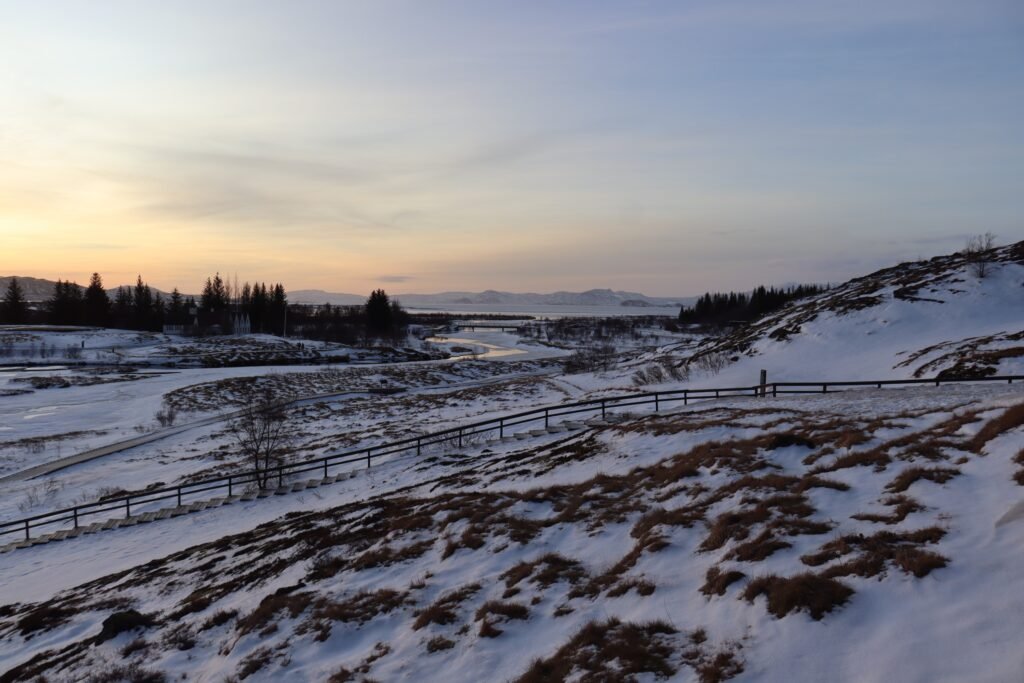
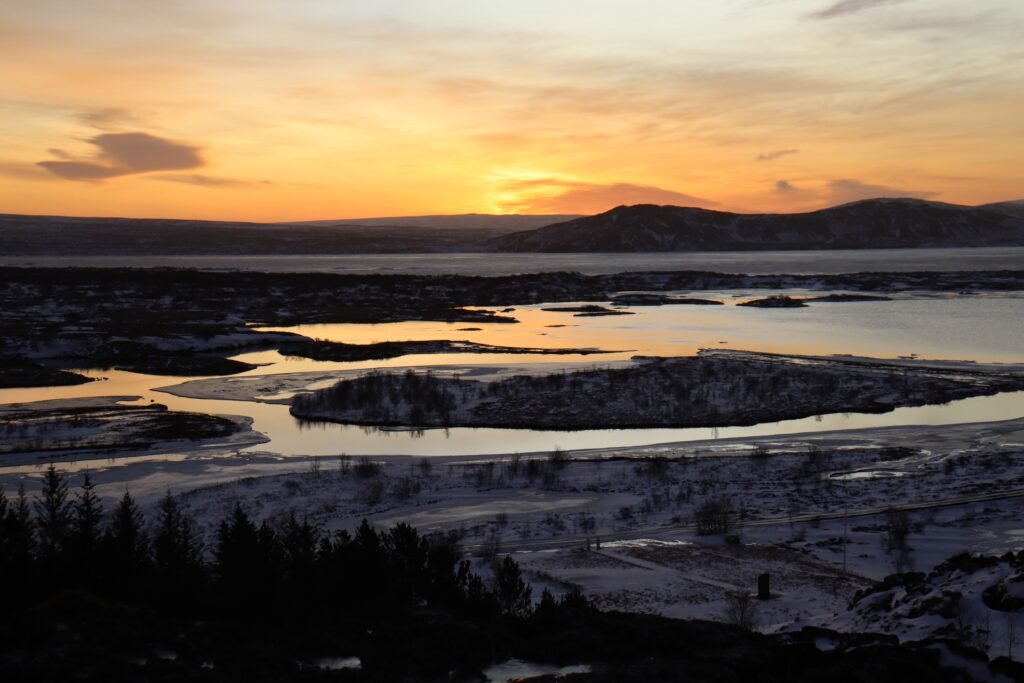
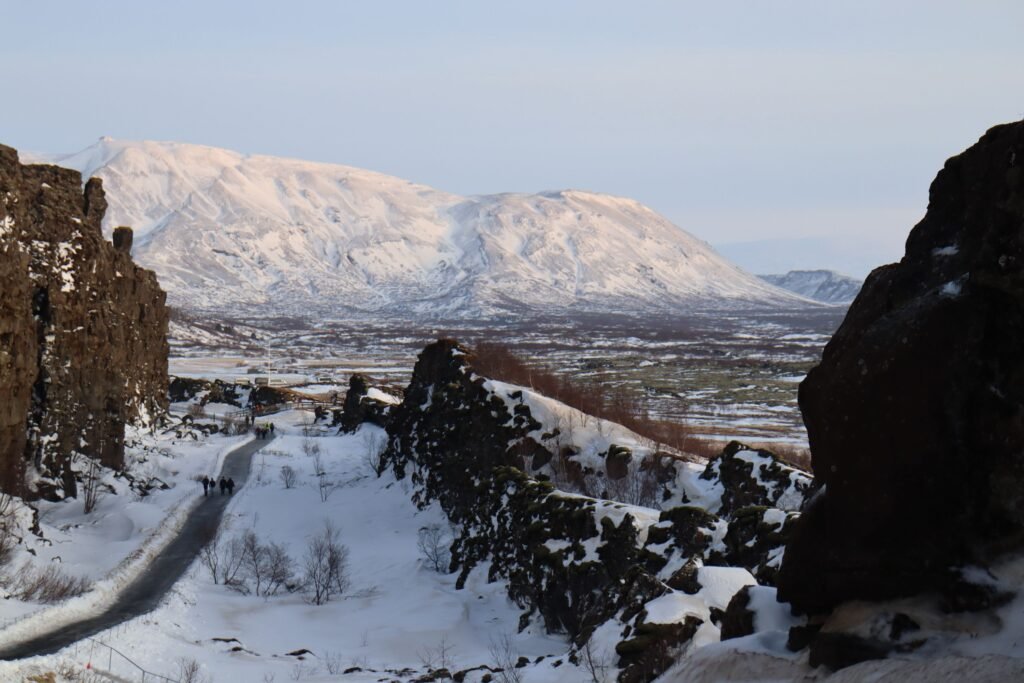
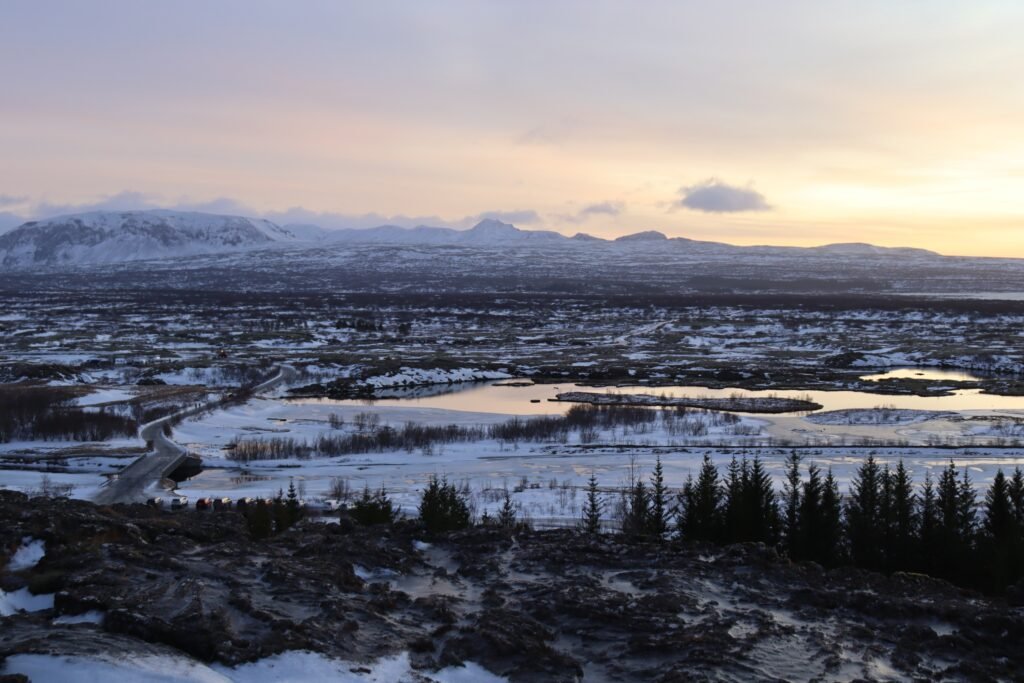
On my trip, I watched the sun rise at 10:30am over Thingvellir National Park in the Golden Circle, which was beautiful… but that late rising definitely forces you to plan your days more carefully.
Then there’s the weather in Iceland in January, which is famously unpredictable!
My flight from London to Iceland was actually cancelled due to severe winds at Keflavik, so I had to rebook last-minute to a flight the next day that was (luckily) able to land.
I also nearly had a Snaefellsnes Peninsula tour cancelled because the winds were hovering just below the safety limit.
On the South Coast, I experienced a torrential downpour that water-damaged my (very expensive) camera.
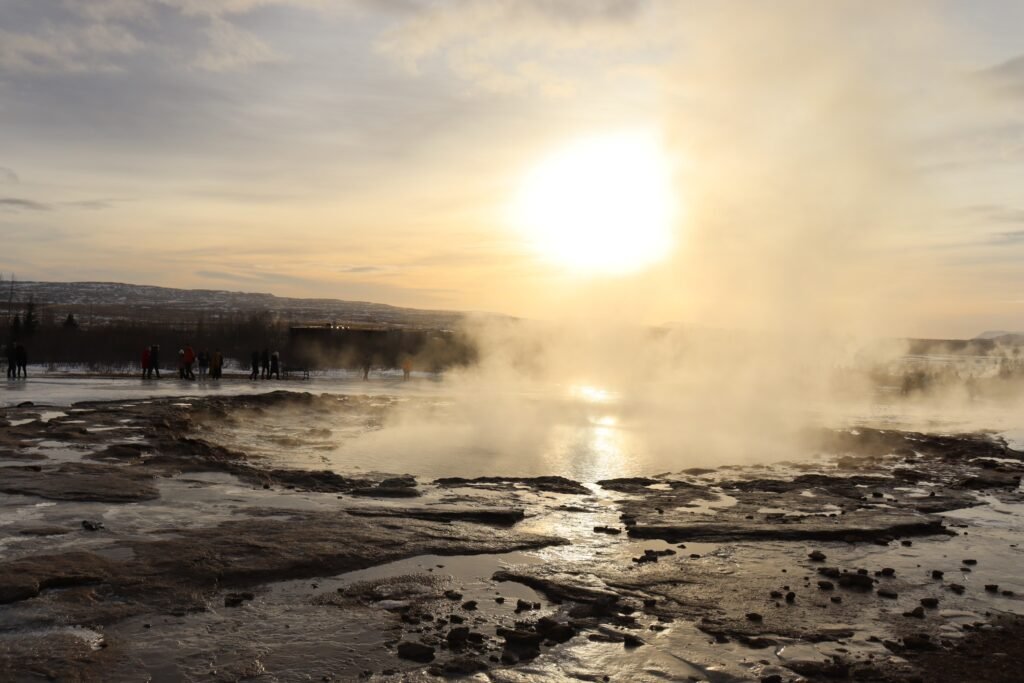
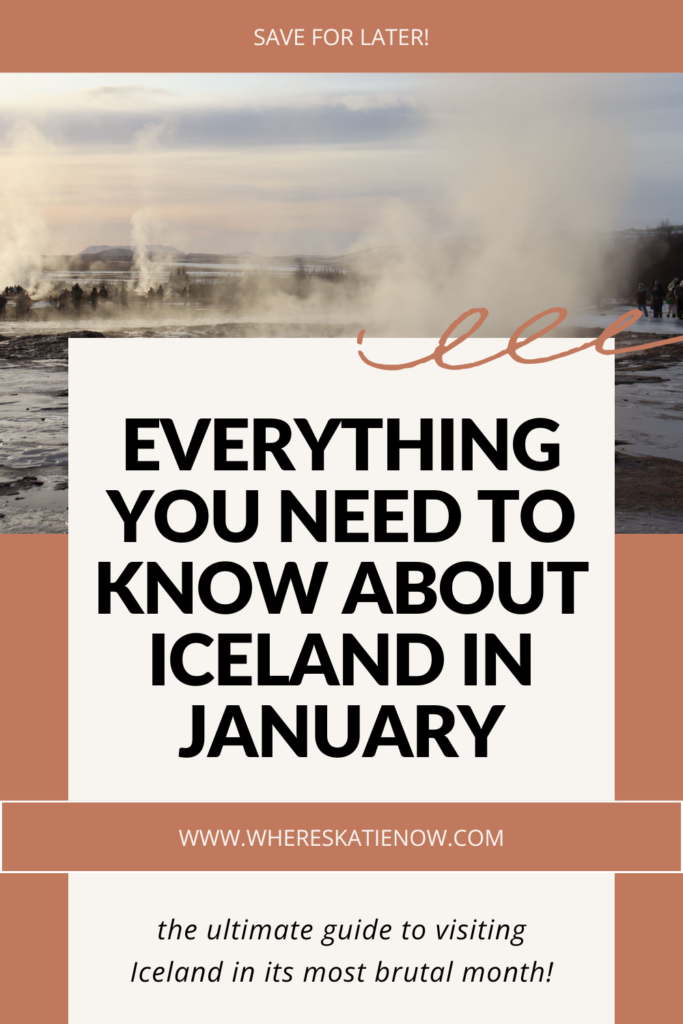
And around Strokkur Geysir in the Golden Circle, I was basically walking on what felt like an ice rink.
And all of that in just 5 days in Iceland in winter!
Now, don’t get me wrong, this may be the cons section, but I’m not saying this to put you off.
I just think everyone should be aware of how changeable and unpredictable Iceland’s weather can be in January.
But absolutely none of this ruined my trip (not even the camera – which I partially fixed by waving it under a hairdryer! 🫣)
It is an important lesson, though, that flexibility is key when travelling to Iceland in January.
Katie’s Top Tip: If cancelled flights or tours, or regularly changing plans, would completely derail your enjoyment of your trip, January may feel too stressful rather than magical. And that’s okay.
Who January Is (and Isn’t) For
So, you’ve heard some of the pros and cons of visiting Iceland in January, but how do you take those and decide whether it’s the right (or wrong) month for you?
Well, January is ideal if you:
- Enjoy slower travel with fewer crowds
- Don’t need perfect weather to enjoy a trip
- Feel comfortable adapting plans if needed
- Like cosy café culture
- Dream of seeing beautiful, snowy winter scenery
In these cases, January can be incredibly rewarding – and Iceland is one of the safest countries in the world for solo women!
However:
- If you want long sightseeing days
- Road trips
- Zero disruptions
- More stable weather
January probably isn’t your season. And that’s okay.
Katie’s Top Tip: There is no best time to visit Iceland – every month is spectacular in its own right! All that matters is that the month and the conditions fit your travel style. Still need help deciding? Let’s talk about the weather!
Weather in Iceland in January: What It’s Really Like
Before you visit Iceland in January, you need to understand the weather, as it will be the one thing that most shapes your entire experience:
Average Temperature in Iceland in January
The temperature in Iceland in January typically hovers around -1°C to 4°C (30–39°F) in Reykjavik.
But that varies depending on where you are, with Reykjavik and the South Coast tending to be milder (thanks to the Gulf Stream), while inland, northern and more exposed areas are often colder and windier.
What matters more than that temperature number, though, is exposure.
Open landscapes and being on the coast (especially the Snaefellsnes Peninsula) can make those sorts of temperatures feel wildly colder.
I remember on my trip, I left Reykjavik in 0°C and headed to the Arnarstapi Coast. And while the actual temperature number there was similar, it FELT a lot colder.
Katie’s Top Tip: Always check local forecasts by region, not just “Iceland” or “Reykjavik” as a whole.
Understanding Wind Chill
This goes together with exposure, and it’s where Iceland’s average temperature number in January can be a bit misleading.
Wind is the real cause of the air feeling cold in Iceland.
Because sure, -1°C is cold (especially if you’re not used to it), but actually, if you bundle up in layers, you’ll feel warm and comfortable.
But once even a hint of wind creeps in (especially in exposed coastal areas), that number that looks manageable on paper suddenly feels freezing.
Katie’s Top Tip: Of course, you can’t do anything to change the wind, but you can dress properly for it by making sure your coat is windproof as well as waterproof. This will do so much more for your warmth and comfort compared to just piling on more layers and looking like the Michelin Man!
Snowfall in Iceland in January
Snowfall varies a lot in Iceland in January, but you’re pretty much guaranteed to see snow on the ground at least somewhere in Iceland!
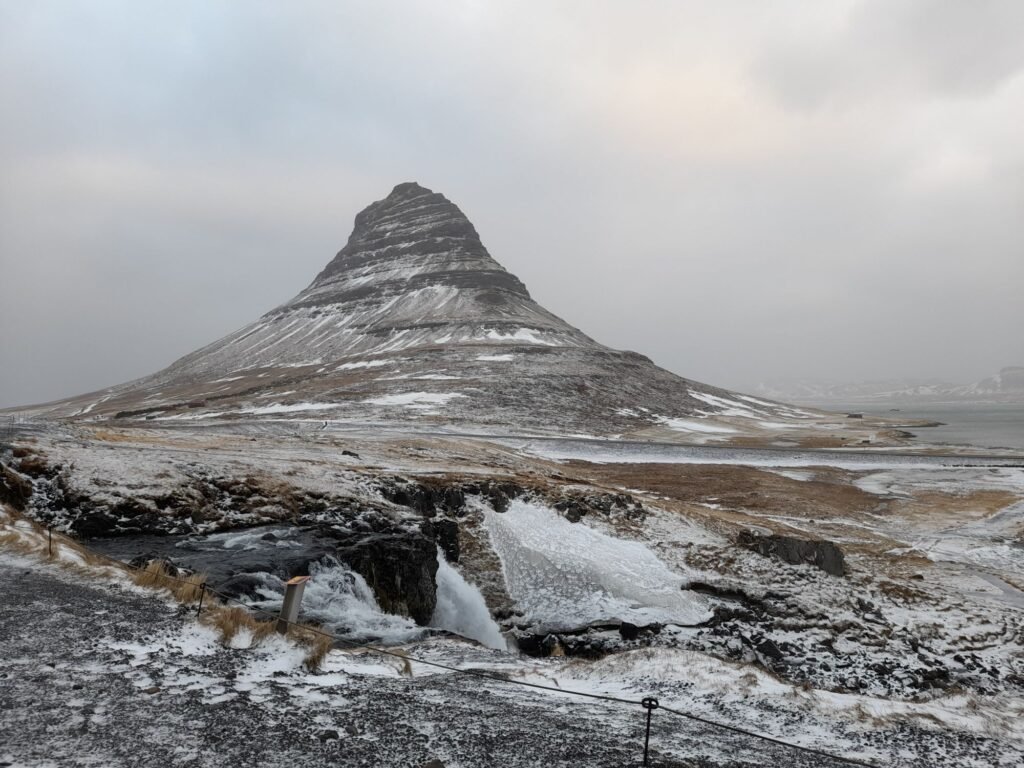
On my trip, I saw a lot of snow on the ground around the Golden Circle (inland), but very little on the coast (Snaefellsnes Peninsula, South Coast, or even in Reykjavik).
In terms of the stats, the average snowfall in Reykjavik in January is 8 days.
And of course, with snow also comes ice.
I found that most tourist attractions and Reykjavik were pretty well cleared, but the Strokkur Geysir was like an ice rink when I visited!
I would always recommend packing slip-on crampons in your day bag, just to be safe.
Katie’s Top Tip: For pretty reliable snow on the ground, I would recommend heading inland to the Golden Circle.
Rain and Storms in Iceland in January
While some days do bring fresh snow, I more commonly saw rain or sleet on my trip (thanks to Iceland’s average temperatures hovering around 0°C, rather than far below freezing).
So yes, it can and does rain in Iceland in January, and you should be prepared with a waterproof coat and also waterproof trousers.
Winter storms also happen, and they’re taken very seriously in Iceland.
Roads regularly close, tours can be delayed or cancelled, and flights can be disrupted (as I experienced flying into Keflavik).
While this may feel annoying, the Icelandic authorities and tour operators make decisions based on safety first, so you should always follow their advice.
Katie’s Top Tip: I recommend you build flexibility into your itinerary, either with buffer days for cancellations or the mindset that what will be, will be. Then you’ll enjoy January in Iceland far more than trying to control the weather!
Daylight in Iceland in January (And How to Plan Around It)
Daylight in Iceland in January is limited, but I found I didn’t mind that at all, and also booked guided tours to let experts handle those logistics for me.
Early January sees around 4.5 hours of daylight, with the 1st of the month seeing the sunrise around 11:20am and set at around 3:45pm in Reykjavik.
Mid January sees around 5.5 hours of daylight, with the 15th of the month seeing the sunrise around 10:55am and set at around 4:20pm in Reykjavik.
And late January sees around 7 hours of daylight, with the 31st of the month seeing the sunrise around 10:10am and set at around 5:10pm in Reykjavik.
You can check all of the latest sunrise and sunset times here.
And this might all sound quite depressing, but I actually loved the beautiful light, having the opportunity to watch the sunrise at 10:30am over the Golden Circle, and being intentional with my sightseeing.
Instead of rushing from place to place, I focused on one main activity or tour per day.
Plus, the winter light makes the landscapes so much more cinematic, especially around the Golden Circle!
Katie’s Top Tip: Plan just one “must-do” daylight activity or tour per day and then let everything else be flexible. This is my number one secret to enjoying Iceland in January without stress!
Northern Lights in Iceland in January: What to Expect
January is often hyped as the best time to see the Northern Lights, and to be fair, Iceland in January does have a good chance of seeing the elusive aurora.
The nights are long, the skies are dark, and it’s peak aurora season on paper.
But the Northern Lights are a natural phenomenon. No one can guarantee them – at any time of year, in any country.
My Experience
I went to Iceland in January for 5 days, fully believing I’d see them. After all, everything online and on Instagram told me it was basically a sure thing.
But in reality?
My Northern Lights tour in January was cancelled 4 nights in a row due to cloud cover and weather coming in off the sea.
Iceland is an island, which means you can’t always out-drive bad weather the way you sometimes can in places like Norway or Finland.
On my fifth and final night, I got lucky enough to go out with a small group tour to see them…
Mission accomplished! Right?
Not exactly… what we saw was a faint, fuzzy orange cloud that wasn’t visible to the naked eye at all. In fact, most cameras couldn’t even photograph it.
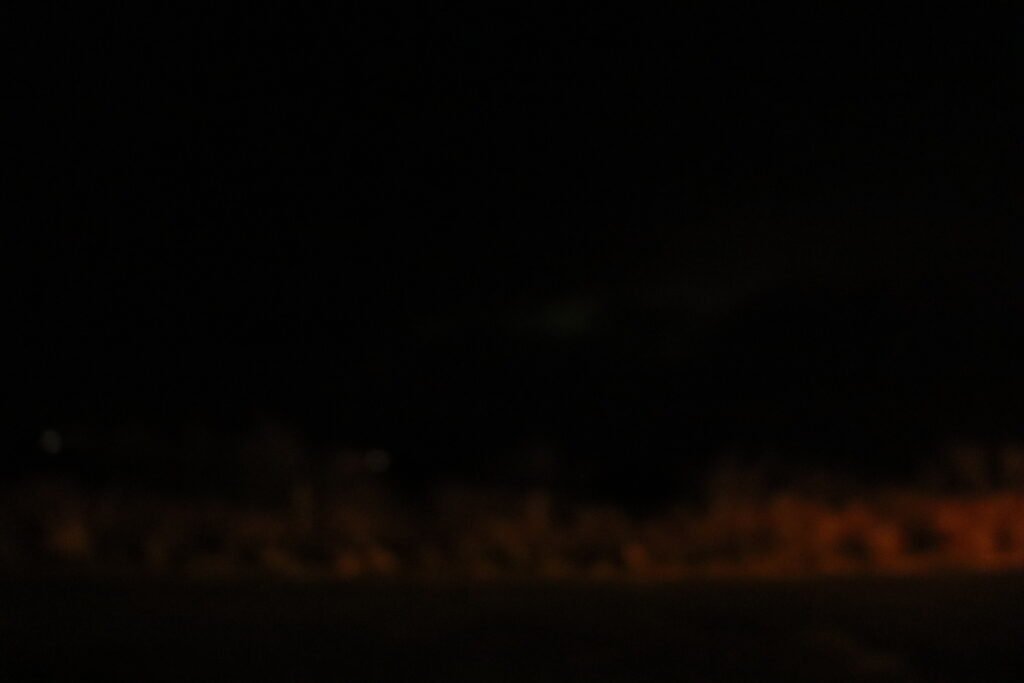
And yet, it technically counted as a sighting.
Was I disappointed? Yes, for sure. I’d 100% be lying if I said otherwise.
But did it spoil my trip? Nope, absolutely not!
I watched the sunrise over the Golden Circle, soaked in the Blue Lagoon as darkness fell, explored the Snaefellsnes Peninsula and felt true awe at the Jökulsárlón Glacier Lagoon.
Basically, the lesson is that you should treat the Northern Lights as a bonus rather than a sole reason for visiting.
That way, your enjoyment of Iceland in January doesn’t hang on this one, uncontrollable natural phenomenon – and you won’t leave disappointed.
So does all this mean the Northern Lights aren’t worth seeing?
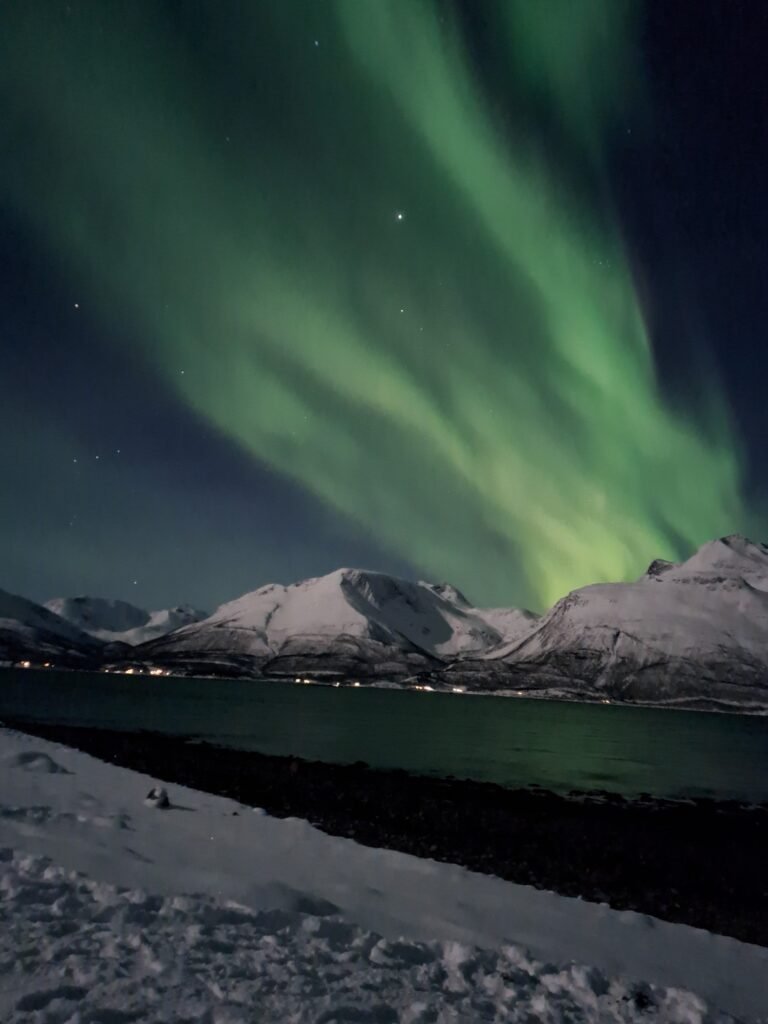
Absolutely not! I’ve since seen the aurora in Norway 5 times, including one night where it was so strong it danced across the sky, clearly visible to the naked eye.
It was truly magical, and I wholeheartedly believe that the Northern Lights should be on everyone’s travel bucket list!
BUT, as I said, they should never be the only reason you visit Iceland in January.
Tours
From a solo female travel perspective, I highly recommend booking a small group Northern Lights tour to chase the aurora, rather than going alone.
Firstly, with a tour, you get to enjoy a safer and more stress-free experience.
I wouldn’t recommend driving in Iceland in winter at all unless you’re super confident on snow and ice, let alone at night.
And, of course, you have the bonus of chasing with an expert, who will make real-time calls based on the weather, cloud cover, road conditions and KP index.
All of this makes it so much more likely that you’ll see the Northern Lights in January.
I recommend you book this small-group Northern Lights tour from Reykjavik, which even offers a free retry if you don’t see them!
Katie’s Top Tip: Build an Iceland itinerary full of experiences you’ll love regardless. So that way, if the aurora shows up, it’s magical. But if it doesn’t (like on my trip), your trip is still absolutely magical and unforgettable!
The BEST Things to Do in Iceland in January
One of the biggest misconceptions I hear about Iceland in January is that the Northern Lights are the only thing to do.
But, as you might have guessed, they’re absolutely not.
And honestly? If that’s the only reason you’re visiting, you’re setting yourself up for unnecessary stress and pressure if the weather doesn’t play ball!
So here are things to do to make Iceland in January unforgettable, even if the aurora hides:
1. Spend a City Day in Reykjavik
Reykjavik is the perfect January base!
It’s compact, walkable and cosy, with loads to see outside but also loads to do indoors when the January weather isn’t playing nice.
I definitely recommend prioritising at least one slow city day in your itinerary.
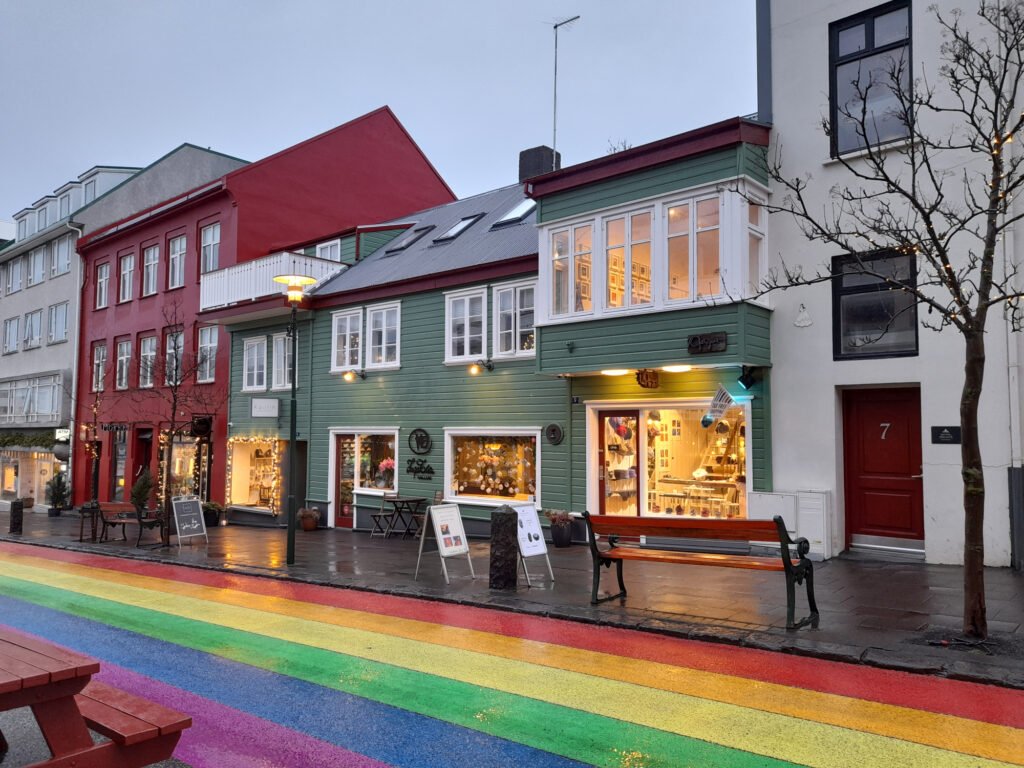
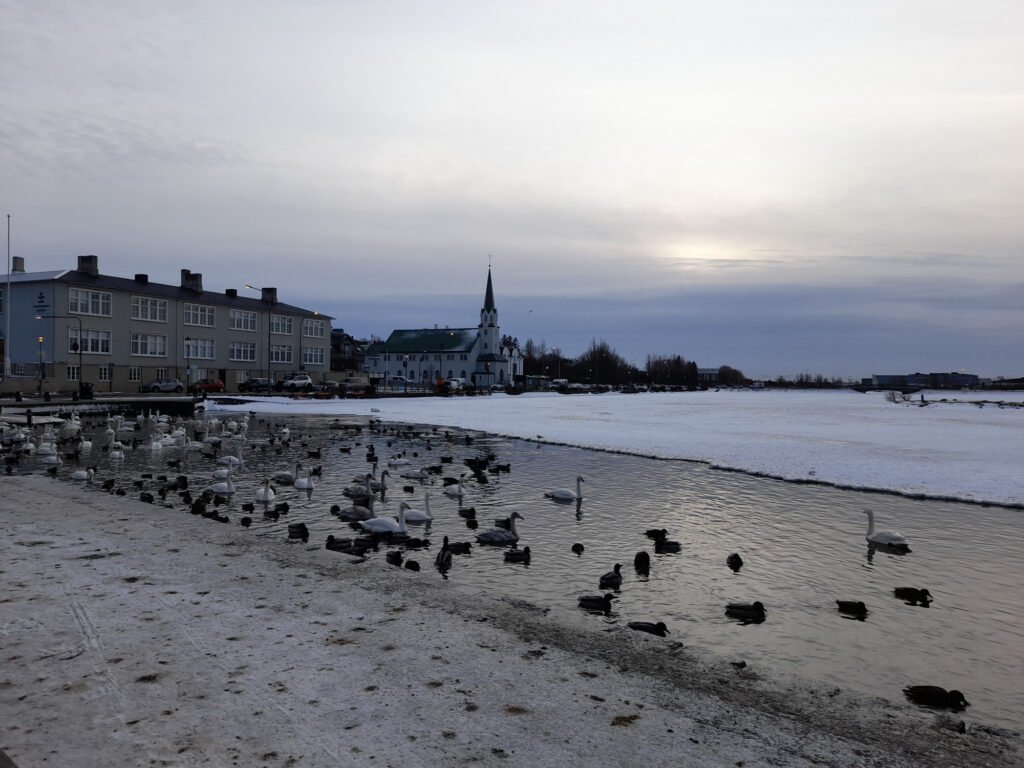
On my trip, I loved wandering the famous Rainbow Street and browsing the cute independent shops, embracing Icelandic café culture, seeing the famous church Hallgrímskirkja, and also just letting myself explore without a plan.
Even in winter as a solo female traveller, the city felt lively and safe – but without ever feeling overwhelming – both during the day and late into the evening.
You could even choose to go whale watching from Reykjavik, with daily boat trips leaving from the harbour!
2. Explore the Golden Circle
The Golden Circle is one of the most popular things to do in Iceland in January, and winter honestly makes it even more special.
On my trip, thick snow transformed the (already stunning) landscapes of the national park into something quiet and dramatic.
Plus, without the infamous summer tourist crowds, it often felt like I had some of the best viewpoints to myself, to truly appreciate the spectacular nature in front of me.
My day started with the most spectacular sunrise over Thingvellir National Park, with the tectonic plates and rift valley covered in snow.
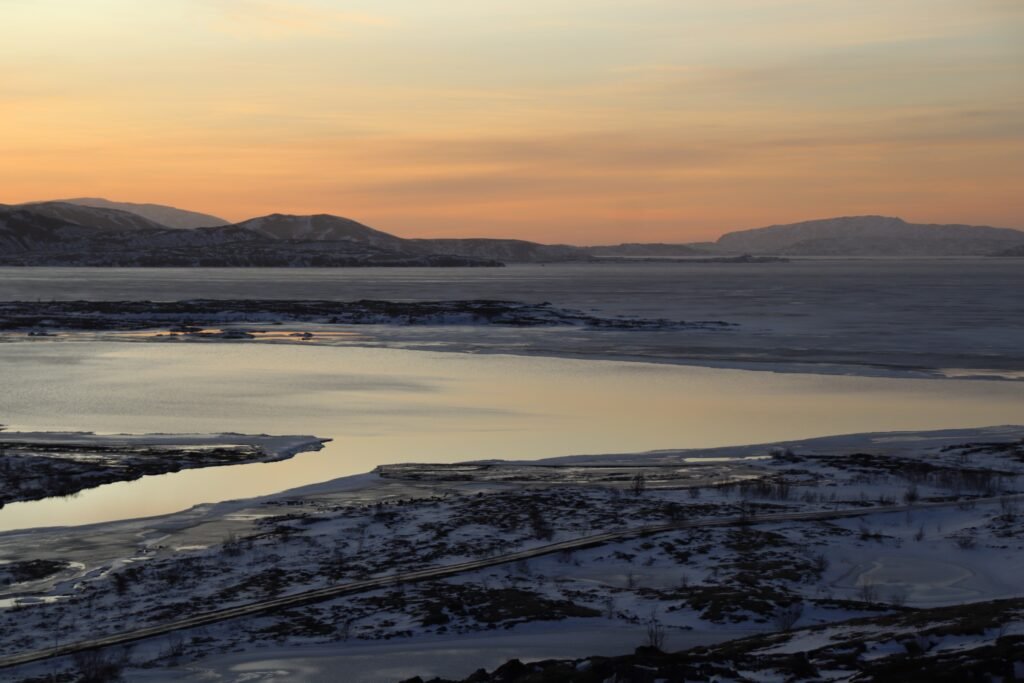
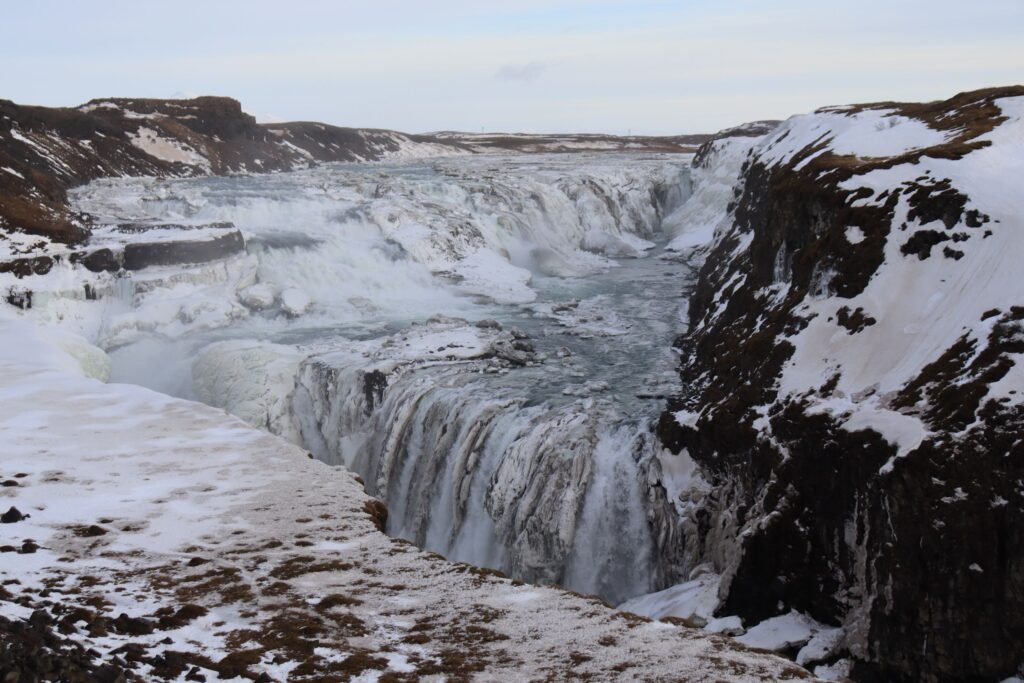
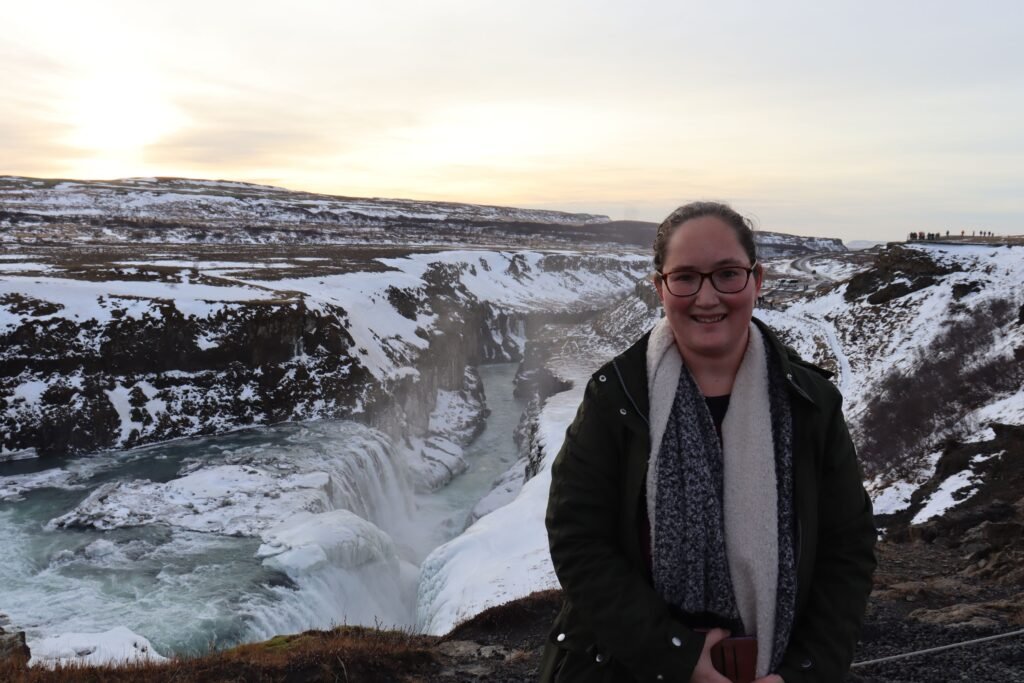
And then throughout the day, I visited Kerid Crater, the Geysir Geothermal Area (watching Strokkur erupt is unforgettable!) and Gullfoss Falls, which was partially frozen!
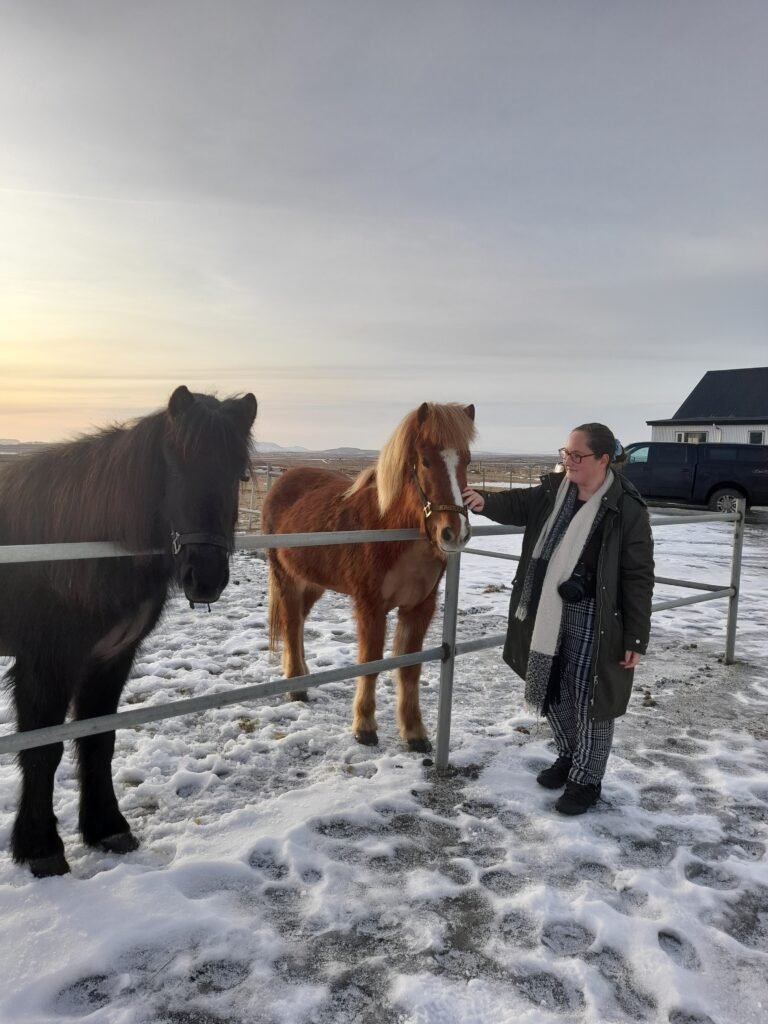
We even made a bonus stop to meet Icelandic horses, which was honestly a highlight!
I highly recommend booking this small group Golden Circle tour that I took if you’re visiting in January.
It takes you to all the must-see sights, without worrying about logistics, icy roads, limited daylight or timing – so you can just enjoy the experience!
I’ve also written a full guide to exploring the Golden Circle in winter, here.
3. Visit the Underrated Snaefellsnes Peninsula
If I had to pick one Reykjavik day trip that completely surprised me, it would be the Snaefellsnes Peninsula – often called “Iceland in miniature.”
In winter, the entire landscape feels wild, quiet and incredibly cinematic. And with very few fellow tourists around, it felt like I was stepping into the real, authentic Iceland!
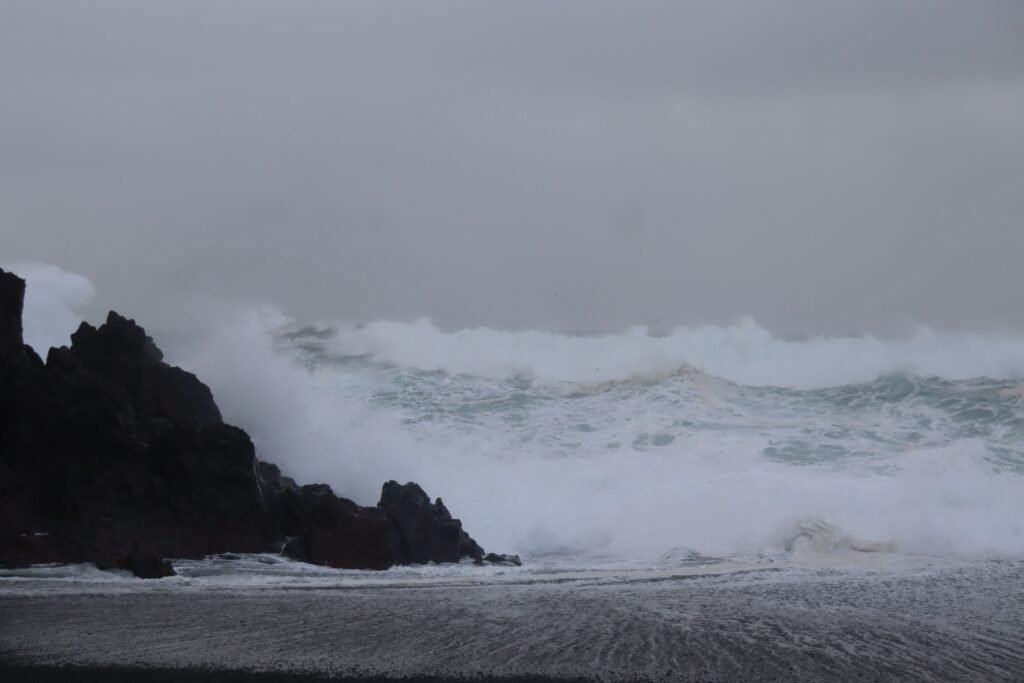
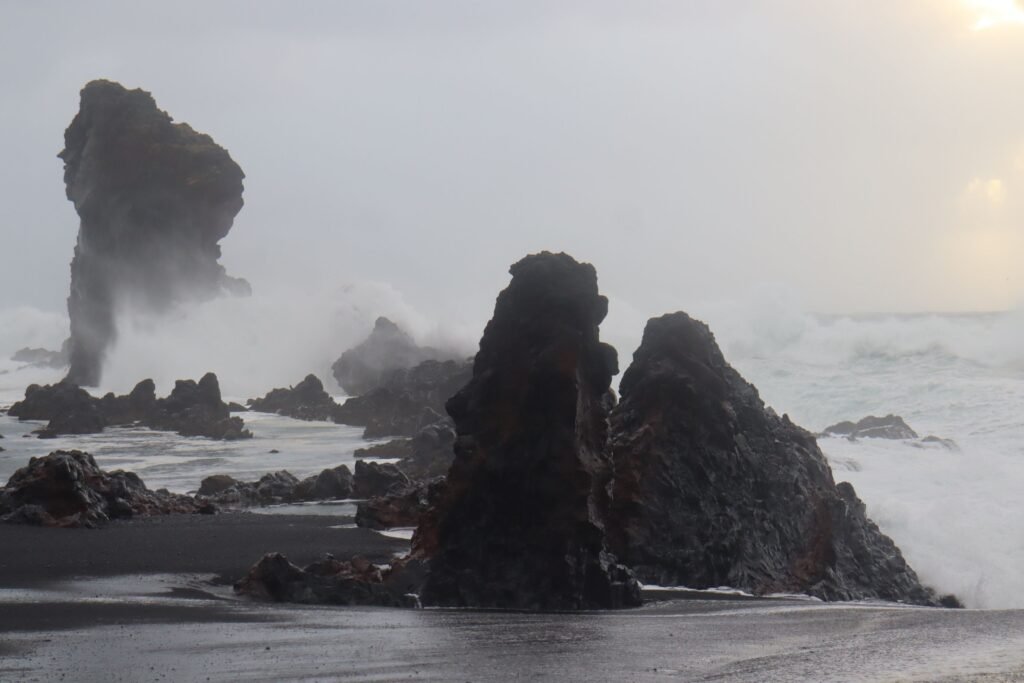
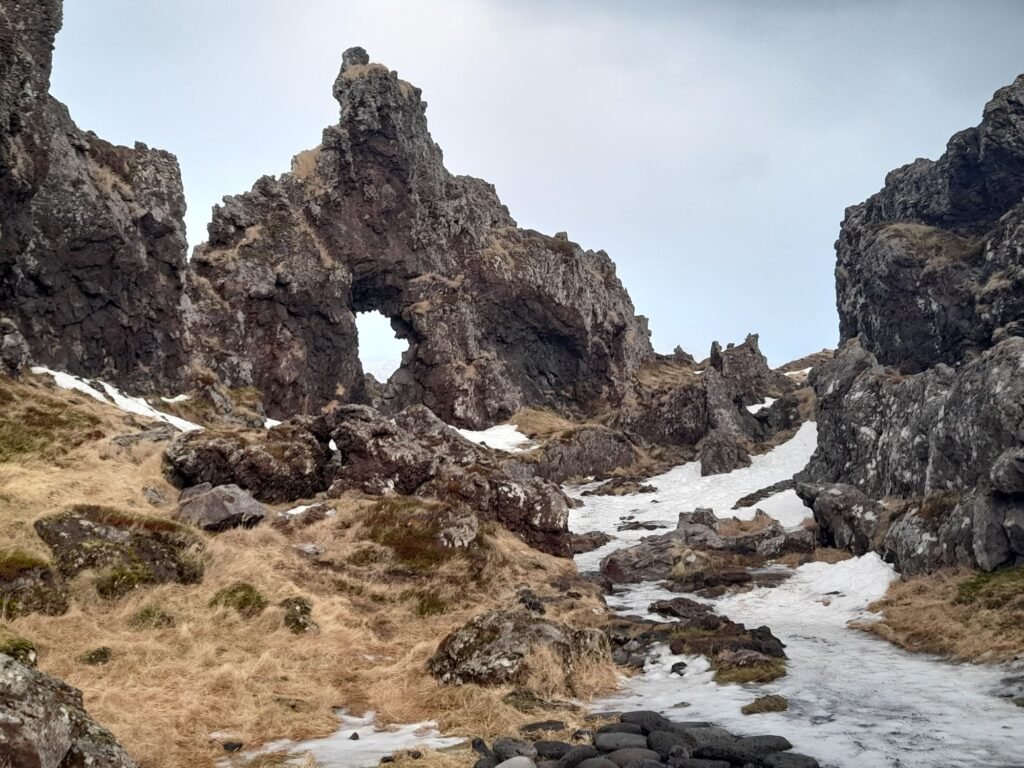
On my small group tour, we visited Kirkjufell (the famous Game of Thrones mountain), the dramatic cliffs of Arnarstapi, Djúpalónssandur black sand beach, and several lesser-known, bonus stops along the coast too!
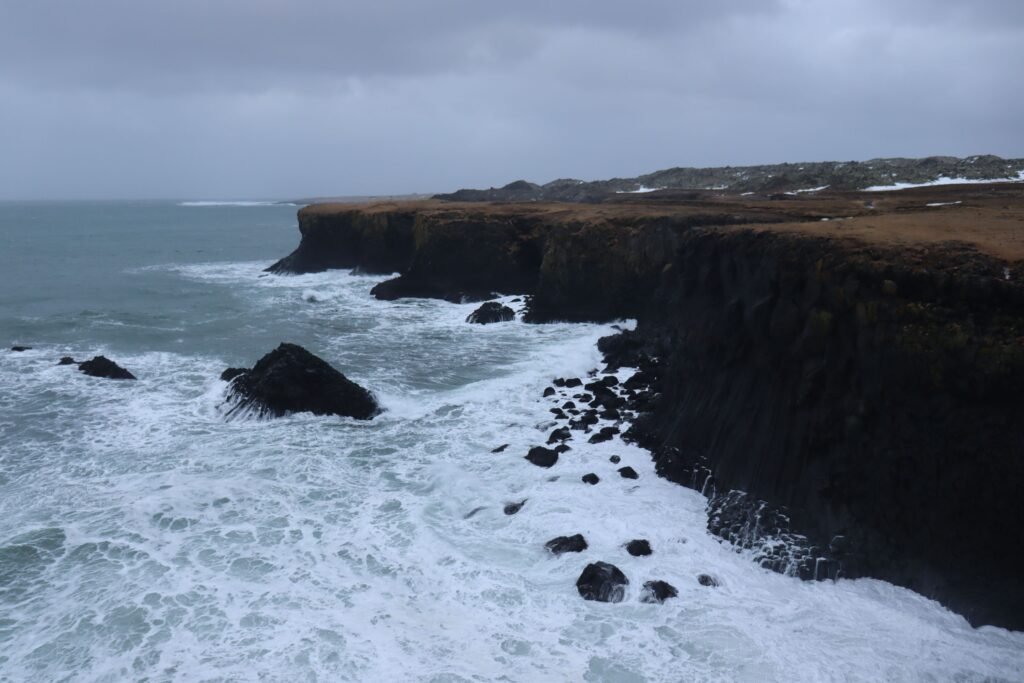
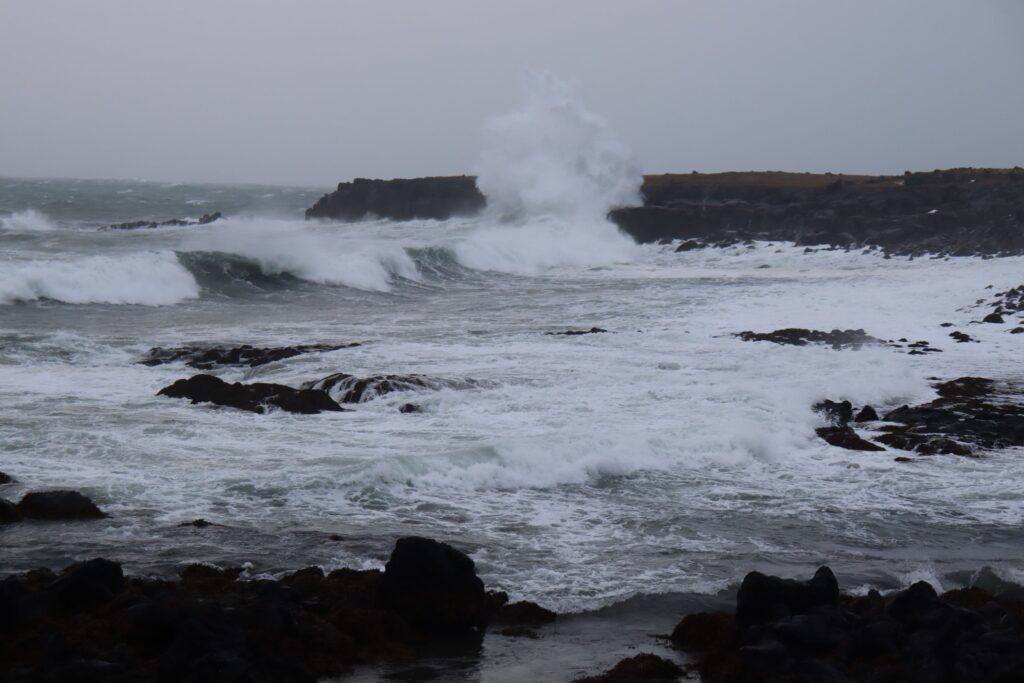
On the day I visited, the wind was just below the safety limit, and the skies were moody, but that honestly made the trip feel even more dramatic – especially when we took a detour to see the powerful waves pounding the jagged black cliffs!
This is another place where I strongly recommend booking this tour that I took in January, to take care of the long drive and all other logistics for you.
And I’ve also written a full Snaefellsnes Peninsula in winter guide, here.
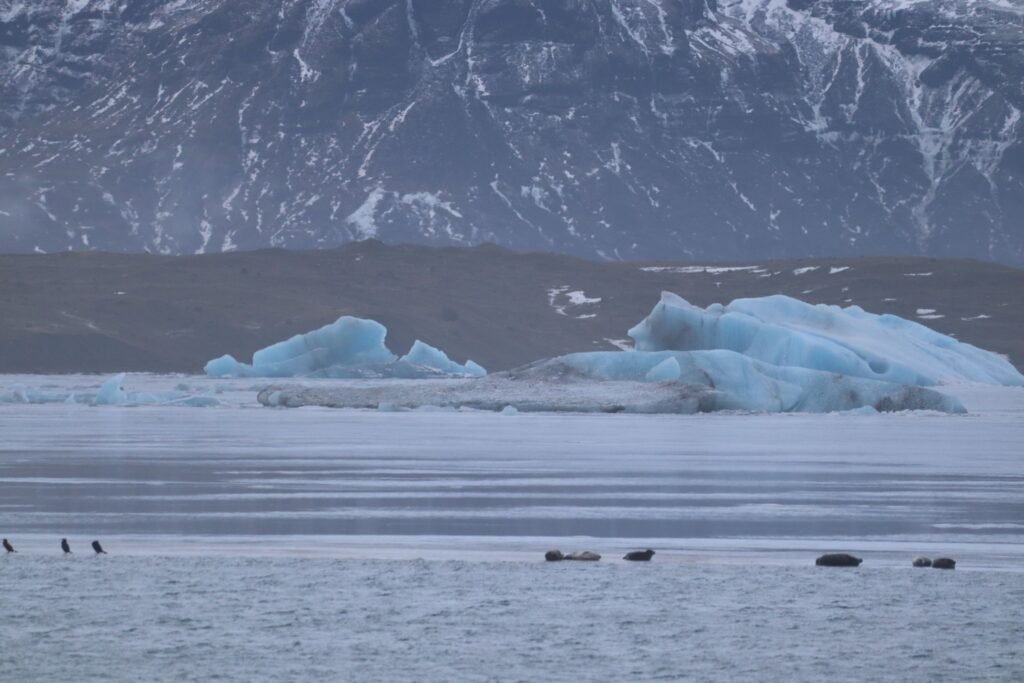
4. Visit Jökulsárlón Glacier Lagoon
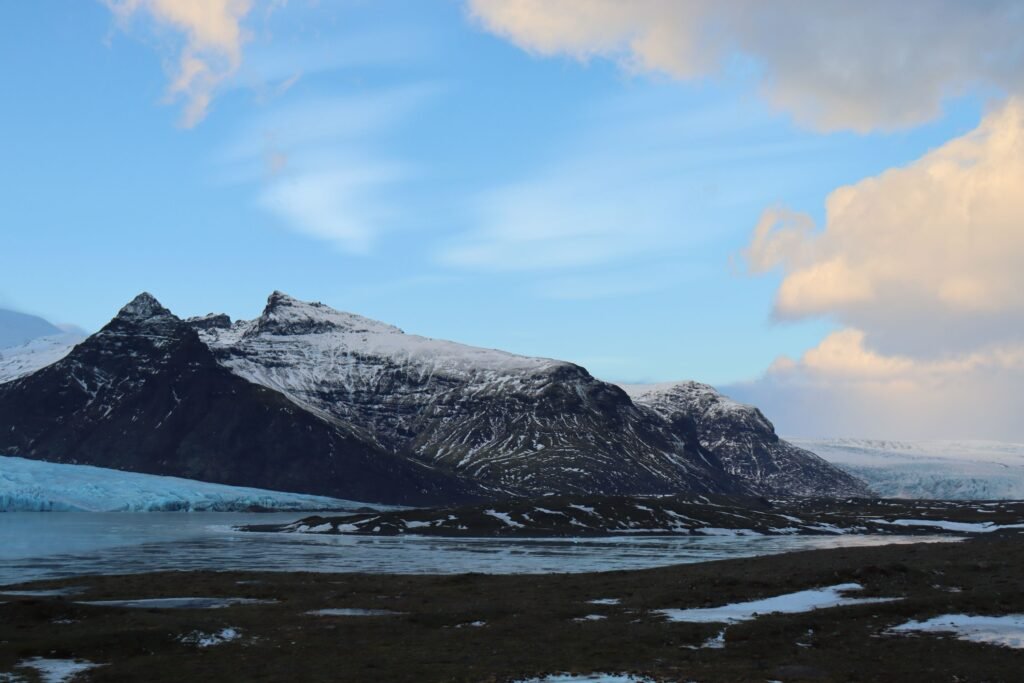
Jökulsárlón Glacier Lagoon definitely lives up to its hype, even though it’s an incredibly long day trip from Reykjavik to get there!
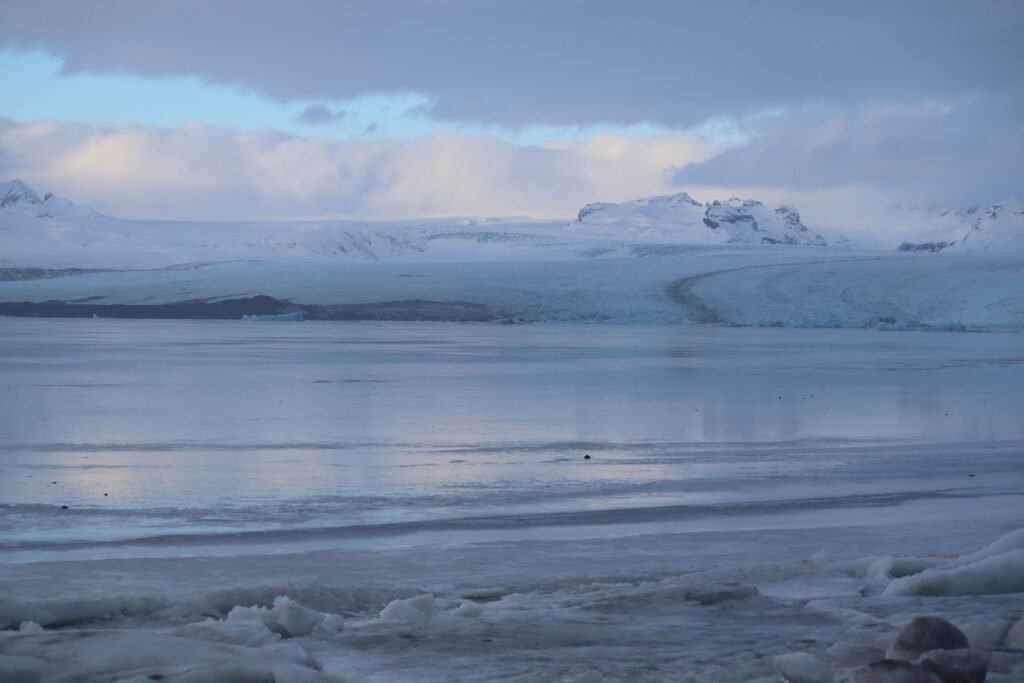
But, for me, seeing icebergs drifting on the peaceful lagoon, watching the seals lounging on the ice, and seeing the most beautiful winter light made the whole experience so worth it.
Plus, right next door is Diamond Beach, where chunks of that glacial ice wash up on the jet black sand. It’s another iconic spot that is well worth a visit!
Because of the distance, winter road conditions and limited daylight in Iceland in January, I definitely recommend going with this tour that I took, rather than driving yourself.
It’s a long day, but one of the most memorable experiences of my trip!
5. Tour Iceland’s South Coast
Touring the South Coast is one of the best things to do in Iceland in January (even when the weather isn’t playing ball!)
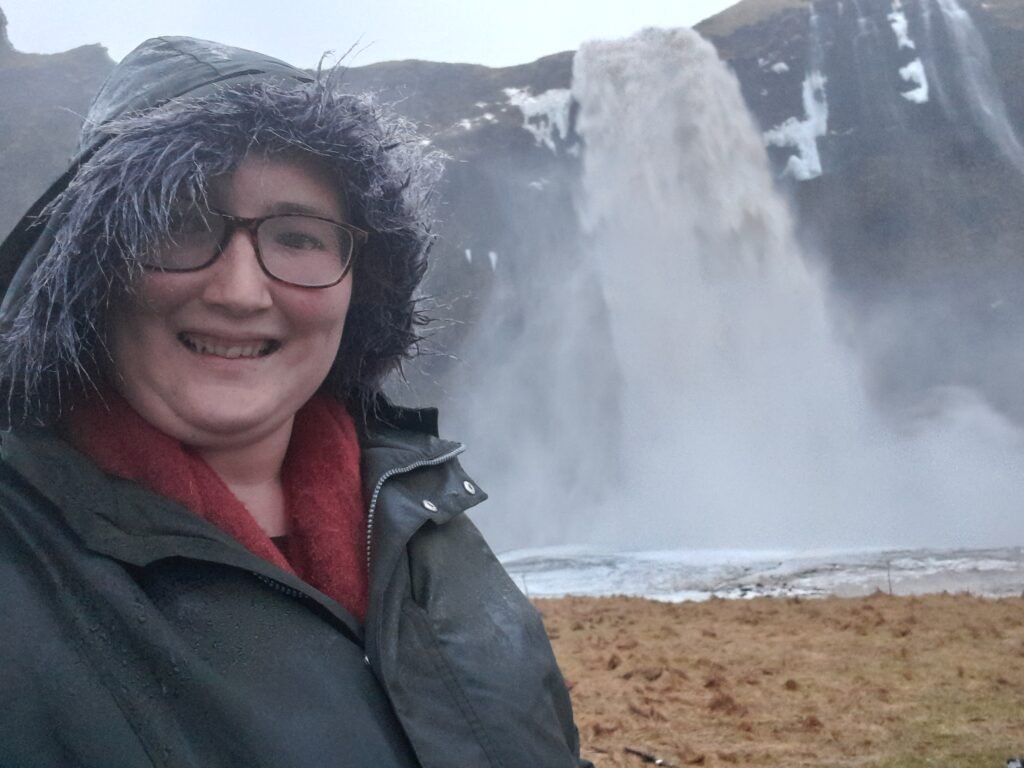
I explored this rugged part of Iceland in genuinely awful conditions, with strong winds and torrential rain, but it was still stunning.
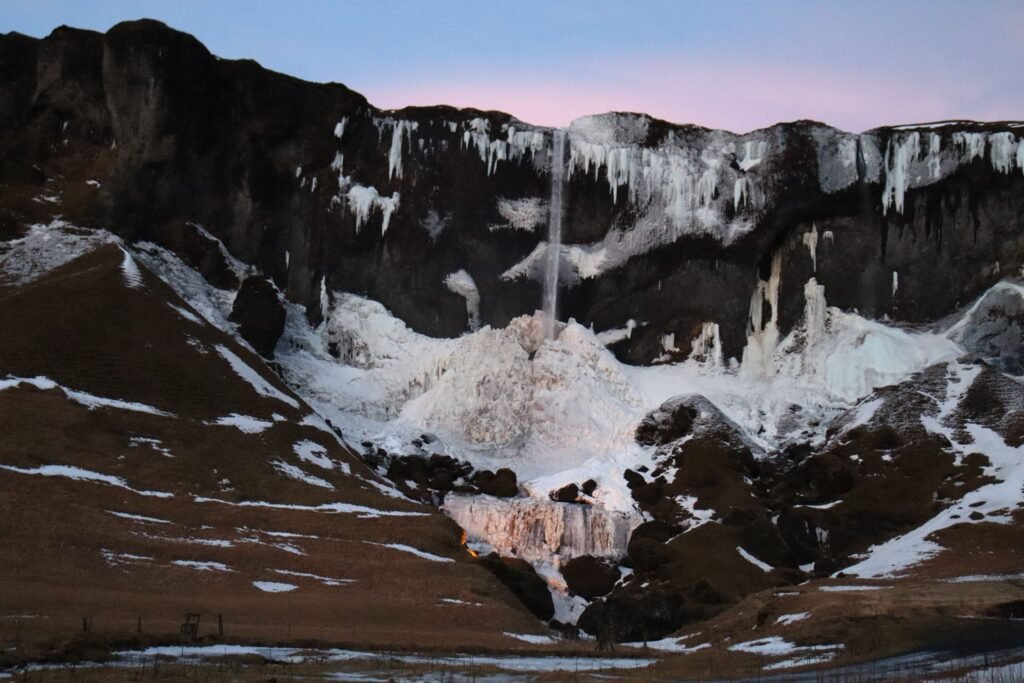
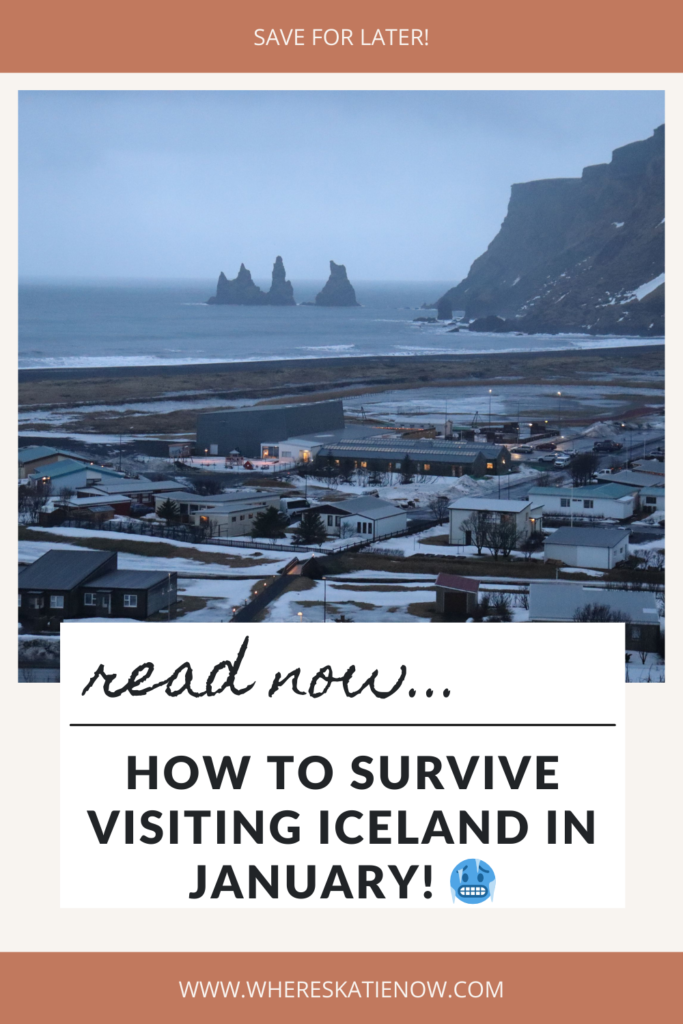
Highlights that I visited include Reynisfjara black sand beach, the viewpoint over Vik and its iconic sea stacks and, of course, the famous Seljalandsfoss and Skógafoss waterfalls.
Again, I joined a small group tour for this, and I highly recommend it, so you don’t have to drive yourself in winter or stress about logistics in limited daylight!
I’ve also written a full South Coast in winter guide, here.

6. Try Ice Caving or Glacier Hiking
If you’re after an experience that is truly a once-in-a-lifetime, bucket list winter adventure, you have to try ice caving or glacier hiking (or both!)
Unfortunately, I wasn’t able to do either on my January trip to Iceland due to the weather, but it is for sure on my bucket list for next time I visit.
For glacier hiking, I recommend this small-group tour from Reykjavik, which includes a guided hike on the incredible Sólheimajökull Glacier, as well as some iconic South Coast sightseeing, to Reynisfjara beach and Seljalandsfoss and Skógafoss waterfalls!
For ice caving, I recommend this small-group tour from Reykjavik, which includes a visit inside the magnificent Katla Ice Cave, as well as taking in other highlights of the South Coast.
On both tours, they include all of the safety equipment you need.
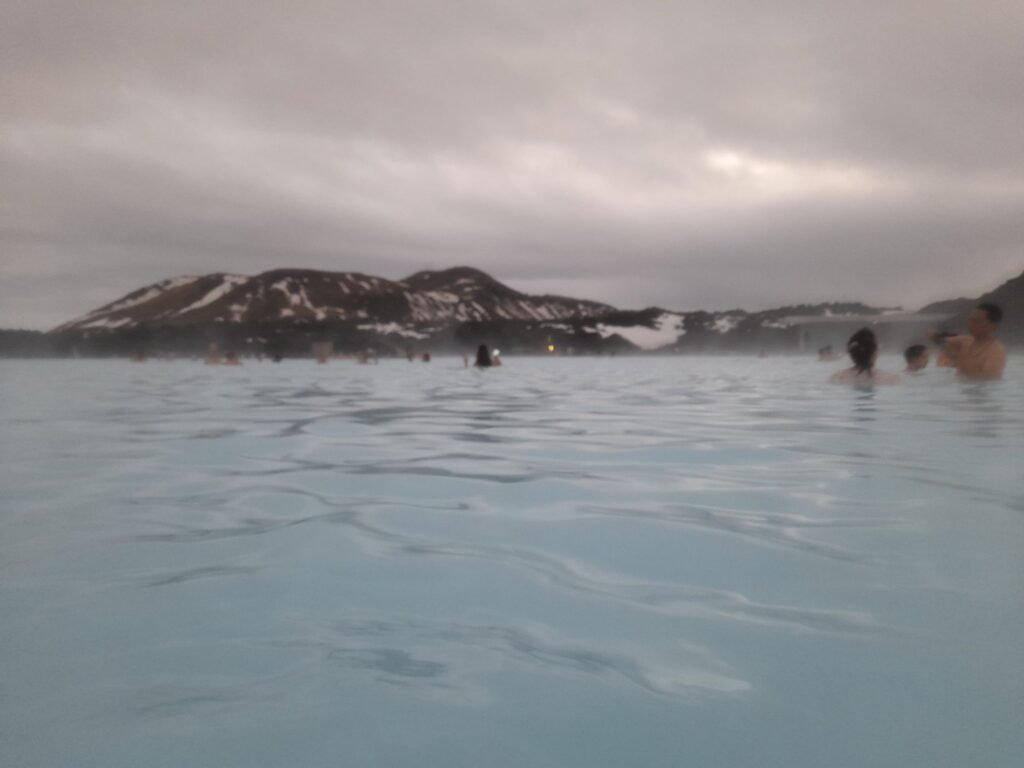
7. Soak in the Blue Lagoon
Changing into a swimsuit in January sounds unpleasant. Right?
Yep, I know! I get it.
But trust me, once you’re in the steaming water, it’s worth those few seconds of cold!
The contrast between the cold air around you and the warm, mineral-rich water is exactly why winter is such a special time to visit the Blue Lagoon.
I combined my Blue Lagoon visit with a Golden Circle tour, which was the perfect way to unwind after a full sightseeing day.
Or, you can also book a direct transfer + entry from Reykjavik if you want longer to soak (and maybe treat yourself to a spa treatment or two!)
Watching darkness fall while soaking in the warm water was one of the most relaxing moments of my entire trip to Iceland in January.
For more information, I’ve written a full Blue Lagoon in winter guide covering what to pack, what to expect and how to get there!
Getting to Iceland in January
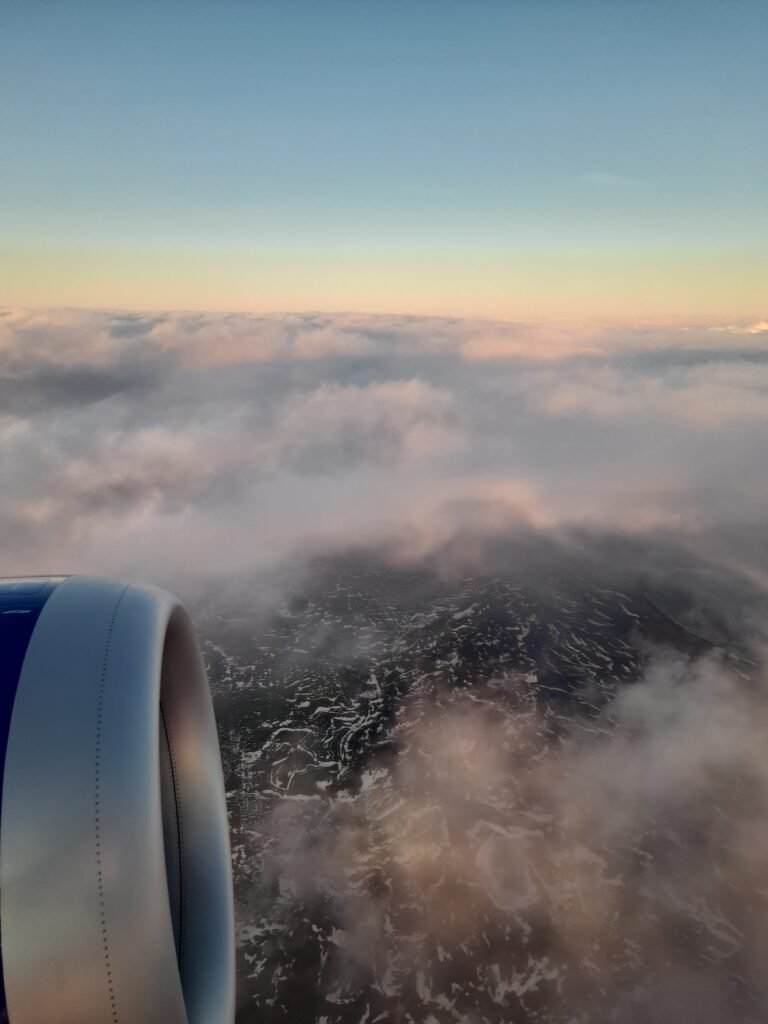
Getting to Iceland is very straightforward, even in winter.
International flights land at Keflavik International Airport, which is well connected all year round by major airlines from both Europe and North America.
Once you land, you’ve then got a couple of good options to reach Reykjavik:
You could choose to pre-book a private transfer for door-to-door service.
But I personally took the airport bus from Keflavik to one of the central bus stops in the city (for my hotel, it was Bus Stop #1 – City Hall), and it couldn’t have been easier!
And if you want logistics to feel smooth from the moment you arrive, choosing accommodation near one of the airport bus stops is a game-changer in January.
I’ve broken that down in detail in my guide on where to stay in Reykjavik, including which hotels are closest to which bus stops!
Katie’s Top Tip: Pre-book the airport bus before you fly – it’s one less decision to make when you land! And, as a solo female traveller, always try to book a flight that lands in daylight hours, so you’re not arriving in a new city in the dark.
Getting Around Iceland in January (Car vs Tours)
This is one of the most important decisions you’ll make when travelling to Iceland in January.
Because while renting a car is amazing in Iceland in summer, January (and winter in general) is very different, with icy roads, sudden weather changes, strong winds and limited daylight.
That’s why I would only recommend driving in Iceland in January if you’re very confident.
For my trip, I chose guided tours instead of renting a car, and I’d absolutely make the same decision again!
As a solo female traveller, exploring Iceland with an experienced local driver and guide who understood road conditions, the weather, and safety allowed me to relax and actually enjoy my days, rather than constantly stressing over logistics.
I joined multiple day tours from Reykjavik to the:
And each one was well-paced and safe, the guides were super friendly and knowledgeable, and I never felt like I missed out on seeing anything just because I wasn’t driving.
However, if you want to see everything without doubling back to Reykjavik each night, this 8-day, small-group Iceland ring road in winter tour is an incredible option.
You cover all of the highlights from this guide (and more!) Plus accommodation, transport and experiences are all included in the price. And you don’t have to consider logistics at all.
If I were visiting Iceland in January again, this is exactly how I’d do it.
Katie’s Top Tip: If winter driving makes you even slightly nervous, listen to that gut instinct. Booking a guided tour reduces stress without you having to miss out on the prettiest places that make Iceland in January so unforgettable!
What to Pack for Iceland in January
Packing properly for Iceland in January isn’t about overpacking, but about packing smart.
The biggest thing to understand is layering. You need:
- A proper thermal base layer (not cotton)
- An insulating mid-layer (like fleece or wool)
- And a windproof and waterproof outer layer
You also need to consider footwear, which is where I messed up in January.
I brought “winter trainers” instead of proper snow boots, and my feet were wet, cold, and constantly sliding on the ice.
Snow boots with good grip are non-negotiable, and I recommend these from KEEN, which I wore for my trip to Norway in winter.
In Norway, I tested those boots down to a crazy -18°C at night above the Arctic Circle (and they kept my feet totally toasty!), in rain, snow and ice.
For accessories, add thermal socks, touchscreen gloves, a hat that covers your ears and a scarf or neck gaiter to block the wind.
Katie’s Top Tip: I’ve put everything I packed for Iceland in winter (and the packing mistakes I made so you don’t have to!) into my full what to pack for Iceland in winter guide, here.
January Events in Iceland
January in Iceland isn’t packed with a big events calendar, but that also means it is quieter.
The month of course begins with the New Year’s celebrations, which are welcomed with bonfires, fireworks, and a countdown. If you want to visit for this, make sure you arrive in late December and stay into early January.
But as January continues, Iceland becomes quieter, with fewer tourists (which I loved!)
There are still things to do, but they’re more like local concerts, theatre, exhibitions, visiting a local swimming pool or joining locals in their cosy café culture.
Most museums, galleries, pools and tours continue operating as normal, although some attractions run on reduced hours (especially outside Reykjavik).
What I personally loved about January was how un-touristy it felt. (Is that a word?!)
There was space to slow down and experience Iceland at its most authentic. So if you’re the kind of traveller who values a more local experience, you’ll love this time of year here!
Katie’s Top Tip: Check opening hours and event calendars before you book and again before you arrive, to just double-check you can actually do the things you want to in January.
So, Is Iceland Worth Visiting in January?
Iceland in January is absolutely worth visiting, but it’s also not for everyone.
It isn’t a month for ticking every sight off your Iceland bucket list or enjoying perfect weather. Instead, you’ll embrace true winter, unpredictability and a slower pace.
Basically, if you come expecting easy road trips, long sightseeing days, stable weather, guaranteed Northern Lights or everything to go as planned, you’ll probably feel frustrated.
So, who is January in Iceland right for?
It’s perfect if you love snowy landscapes, a quieter local feel (without the tourist crowds of summer), joining guided tours and, most importantly, if you have a sense of adventure.
If you come prepared for what to expect, plan and pack smart, and stay flexible to the conditions, like me, you’ll have a genuinely magical trip to remember forever!
FAQs: Iceland in January
What is the temperature in Iceland in January really like?
The temperature in Iceland in January is often less extreme than you would expect. In Reykjavik, average temperatures usually hover around -1°C to 4°C (or 30 to 39°F).
Outside the city, especially along the coast of South Iceland and the Snaefellsnes Peninsula, these temperatures often feel a lot colder because of windchill, rain and snow.
How many hours of daylight are there in Iceland in January?
Daylight in Iceland in January is short but not non-existent, like in Northern Norway, for example.
Early in the month, you’ll get around 4–5 hours of daylight, gradually increasing to around 7 hours by the end of January.
This means you need to plan your activities and sightseeing around those hours, which is why I recommend booking guided tours so you don’t have to figure out those logistics alone!
Are the Northern Lights guaranteed in Iceland in January?
No. While the Northern Lights in Iceland in January are absolutely possible and January is a good month statistically, seeing them depends entirely on solar activity and clear skies.
You could be there for 5 nights and see nothing (like me), or see them every night. It really is that unpredictable.
That’s why the best way to think of the Northern Lights in Iceland is as a bonus, not the sole reason for your visit. Iceland has SO much more to offer beyond aurora chasing!
I would also always recommend you book a Northern Lights tour to see them, as early into your trip as possible, for the best chances.
Is Iceland safe in January?
Yes, Iceland consistently ranks as one of the safest countries in the world, and I felt very comfortable visiting Iceland in January as a solo female traveller. Crime rates are low, locals are friendly but reserved, and tour guides are professional and always put safety first.
The main safety considerations are weather-related and how it impacts driving conditions and safety on the roads and at attractions. This is why I recommend joining guided tours in winter, particularly if you’re travelling solo, to let experts handle the logistics for you.
Be sure to read my guide to Iceland’s safety for solo female travellers, which includes all of the latest stats, my own insights and stories, and top safety tips.
Read More About Travel in Iceland:
- How to Get Around Iceland Without A Car (Winter Edition)
- The ULTIMATE Iceland Winter Packing List For Women (2026)
- Visiting Iceland in January: Must-See Sights, Weather & Tips
- Where To Stay in Reykjavik (For First Time Solo Travellers)
- Norway vs Iceland in Winter: Ultimate Solo Travel Comparison
- The Ultimate Iceland Solo Female Travel Guide (For 2026!)
- Iceland’s Snaefellsnes Peninsula in Winter (Without a Car!)
- How to Visit Iceland’s South Coast in Winter (Without a Car)
- 7 Unmissable Day Trips From Reykjavik in Winter (No Car!)
- How to See Iceland’s Golden Circle in Winter (Without a Car)
- Iceland’s Blue Lagoon in Winter: What to Expect (and Pack!)
- 15 Iceland Travel Tips for Winter You’ll Be Glad You Know
- How Many Days Do You Need in Iceland in Winter?
- How to Spend 5 Days in Iceland in Winter (Without A Car!)
- 19 Prettiest Places in Iceland Every Traveller Must See
Grab Your Solo Female Travel in Europe Starter Kit:
Pin Me For Later!

7 Comments