
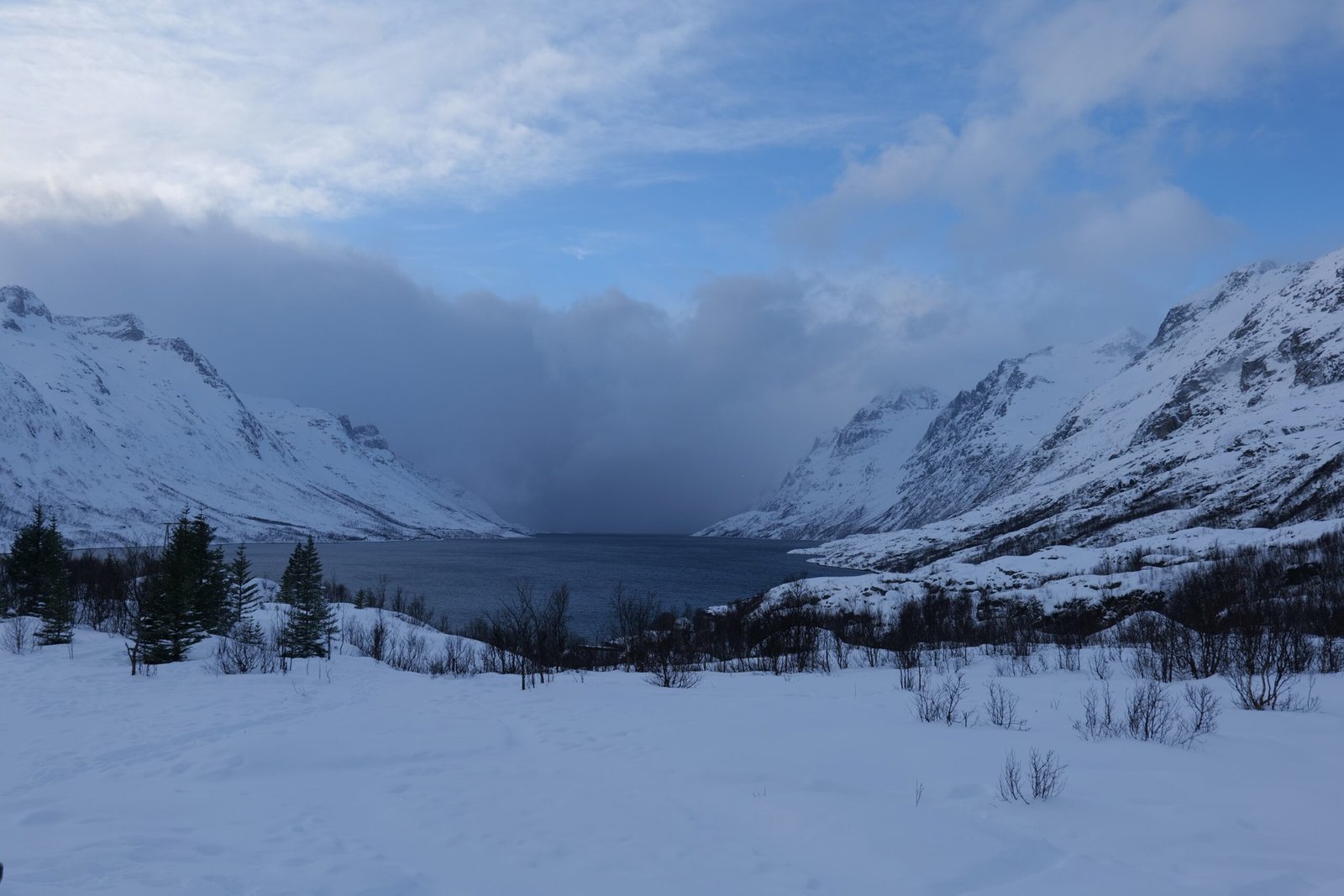
What to Wear in Norway in Winter? (+ Norway Packing List)
Trying to figure out what to wear in Norway in winter feels overwhelming, right?
Especially if you’re picturing snowstorms, icy pavements, Arctic winds and minus temperatures – all of which Norway in winter is famous for!
Last winter, I spent over three weeks travelling through Norway in February and March, from Oslo all the way up to Kirkenes in the far north – and a lot of places in between!
I waded through snowdrifts, tried (and once failed!) not to slip on icy pavements, learnt just how brutal wind chill can get, and experienced deep cold – all as a solo female traveller.
So you can trust me when I say I learned (often the hard way!) what actually works and what absolutely doesn’t for what to pack for Norway in winter.
In this guide, I’ll share exactly what to wear, how to layer, and my exact Norway winter packing list, so you can focus on enjoying your dream trip to Norway!
Understand Norway’s Winter Weather (So You Can Pack Smart!)
Before I share what to wear in Norway in winter, you need to know about the weather, because this is where most packing mistakes actually happen.
Norway’s weather in winter is in no way predictable or one-size-fits-all.
In fact, winter conditions in Norway change dramatically depending on where you are, what month you’re visiting, how close you are to the coast, and even the time of day.
For example, coastal Norway is most often warmer than inland Norway, but it can feel much colder because of wind chill and/or humidity.
This is something that surprised me a lot during my trip to Norway in winter!
For me, one damp and windy 2°C day in Bergen felt a lot more brutal than a dry, calm -10°C day high above the Arctic Circle in Tromsø!
Plus, the weather in Norway changes SO fast (seriously, I saw sun turn into an incoming snowstorm in just an hour!), so your Norway winter packing list needs to be flexible.
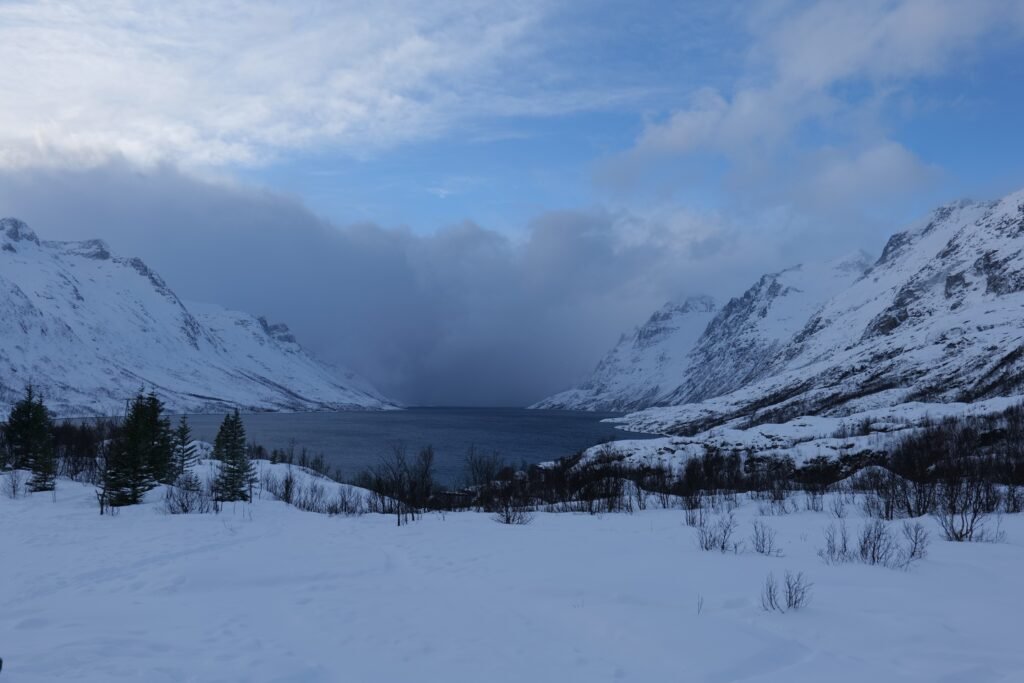
Daylight also plays a huge role in what to wear in Norway in winter.
In southern Norway, you’ll still get a short amount of daylight. But in the north, December and January is polar night, where the sun doesn’t rise at all.
Less daylight means colder temperatures, which then of course affects how you dress.
Katie’s Top Tip: Don’t throw everything thermal you own into a case and call it a day! Instead, take some time to research where you’ll actually be and what kind of cold is common, then build your outfit ideas from there. To get you started, I’ll break this down by region below:

South Norway
South Norway (including the popular city of Kristiansand) is where winter feels the most manageable in Norway.
On average, temperatures tend to be between 0°C and 3°C rather than hitting the minus figures, but that doesn’t automatically mean it’s easy to dress for.
Snow, rain, sleet and icy pavements still very much feature in South Norway in winter.
Because of this, versatile layers (that you can easily take on and off) are essential, as well as waterproof outerwear for the average 13 days of rainfall a month (and 6 days of snowfall), and waterproof boots with good grip for safety in snow and ice.
In terms of daylight, South Norway experiences shorter days but never full darkness.
East Norway
East Norway (including Norway’s capital city Oslo) is a bit colder than the South, with an average temperature between 1°C and -4°C.
But having said that, when I visited Oslo in February, I found that the air is drier and the wind is calmer than on the coast, which made the feels-like temperature a lot more pleasant.
East Norway is also less rainy and more snowy than the South and West, with an average of 12 days of snow in December, for example.
When I visited Oslo in late February, there was still snow on the ground.
The key for packing is breathable base layers, warm but not bulky insulation (like a jumper or fleece), a proper winter coat, and sturdy boots with good grip for the snow and ice.
In terms of daylight, East Norway experiences shorter days but never full darkness.

West Norway
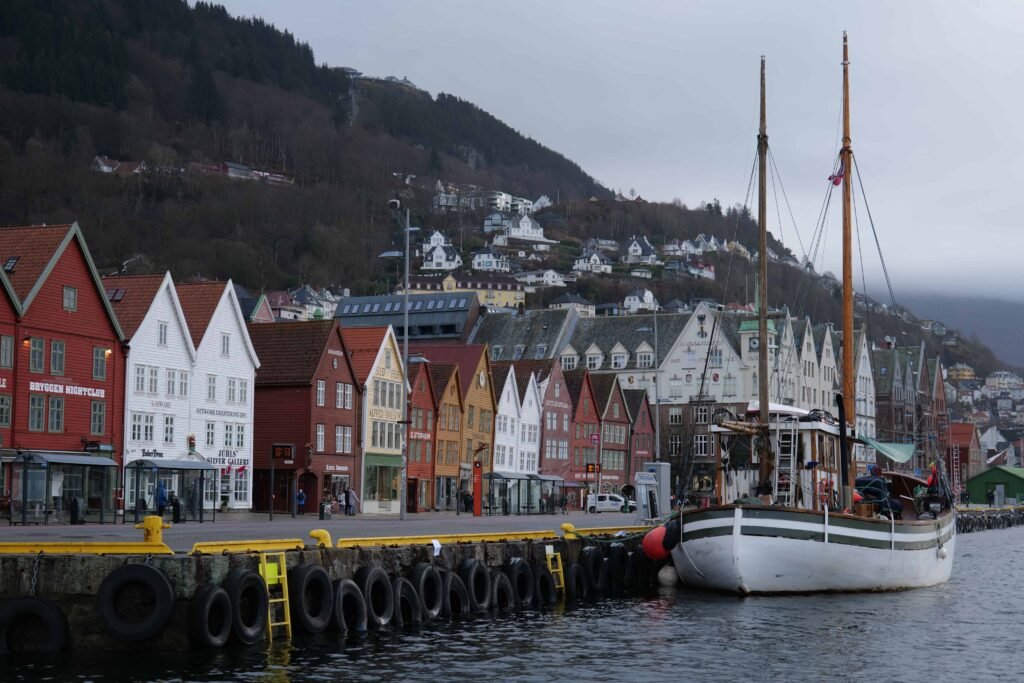
West Norway (including Bergen, the famous Western fjords, Flåm and Ålesund) is, in my experience, the hardest region in Norway to pack for in winter.
Sure, temperatures are milder on average, for example hovering between 2°C and -2°C in Bergen, but the wind and rain often make it feel colder.
And in fact, Bergen is famous for being the rainiest city in Europe!
Snow is still common in West Norway, but rain is definitely the most common sight you’ll see – often turning any snow to slush. I didn’t see any snow-cover in Bergen in February.
This is where simply packing warm thermals isn’t enough.
You need full waterproof (not just water resistant) outer layers, wind protection (for example a windproof coat), and boots with good grip that can cope with the wet, slippery pavements.
In terms of daylight, West Norway experiences shorter days but never full darkness.
North Norway
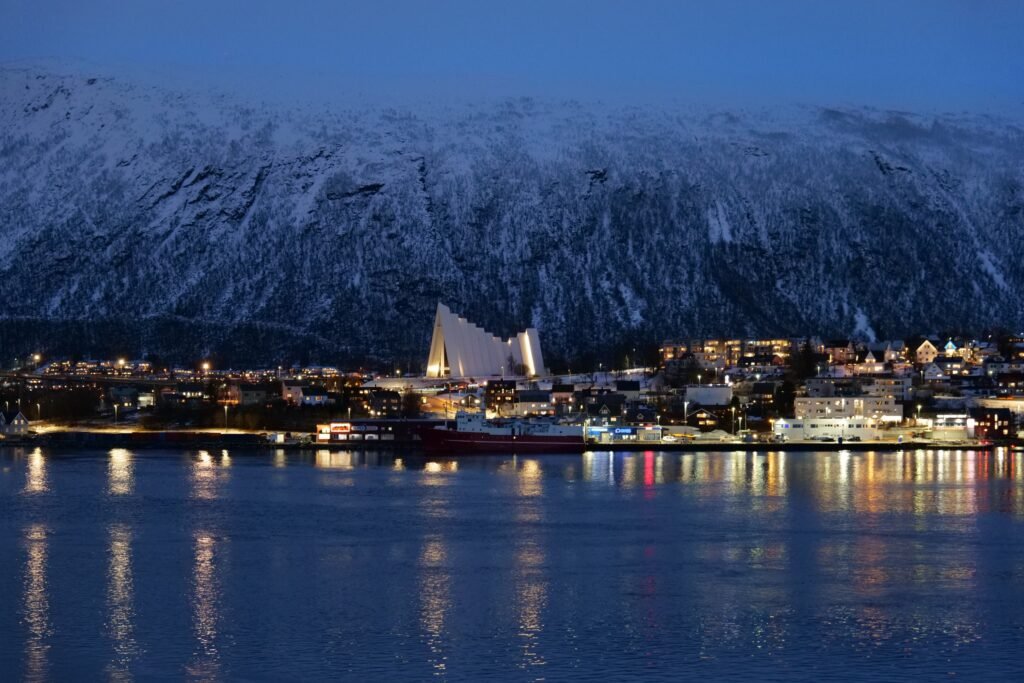
North Norway (including Tromsø, Alta and Kirkenes) is above the Arctic Circle and therefore winter becomes a full-on experience!
And while all of those coastal cities are significantly milder than inland Northern Norway, temperatures still regularly drop well below freezing, daylight hours are limited (or even non-existent during Polar Night), and snow and ice are pretty constant.
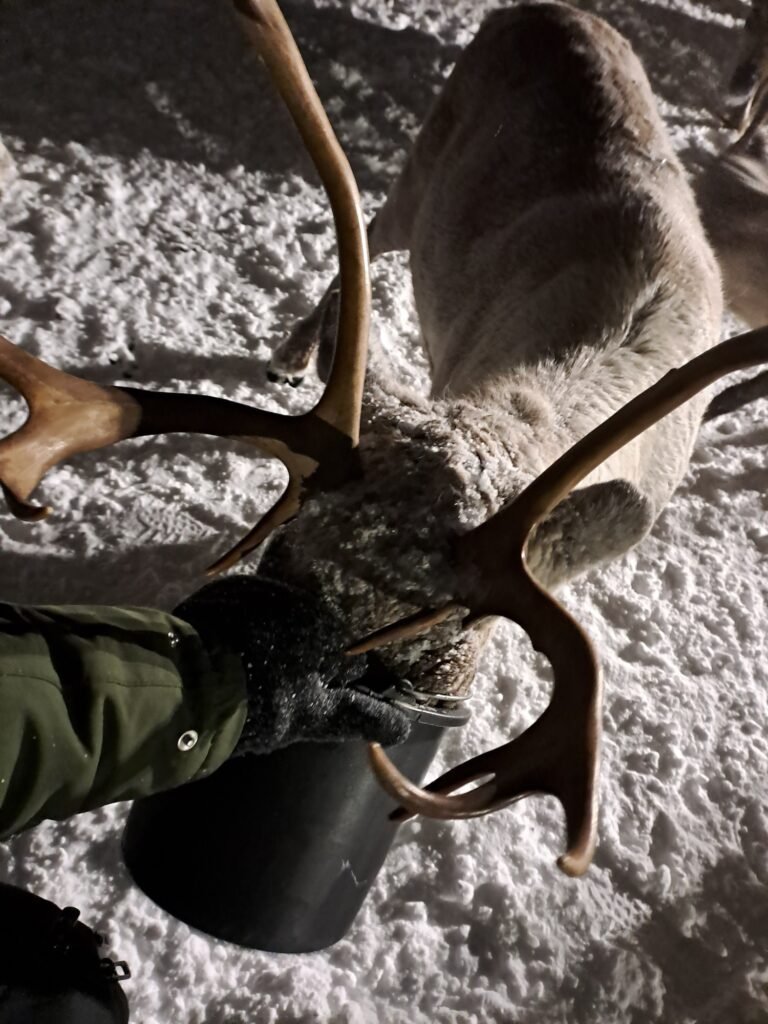
As an example of this, when I visited coastal Tromsø, the average winter temperature was between 0°C and -5°C. But even heading just a short way in land for evening reindeer sledding, that temperature dropped to a brutal -18°C!
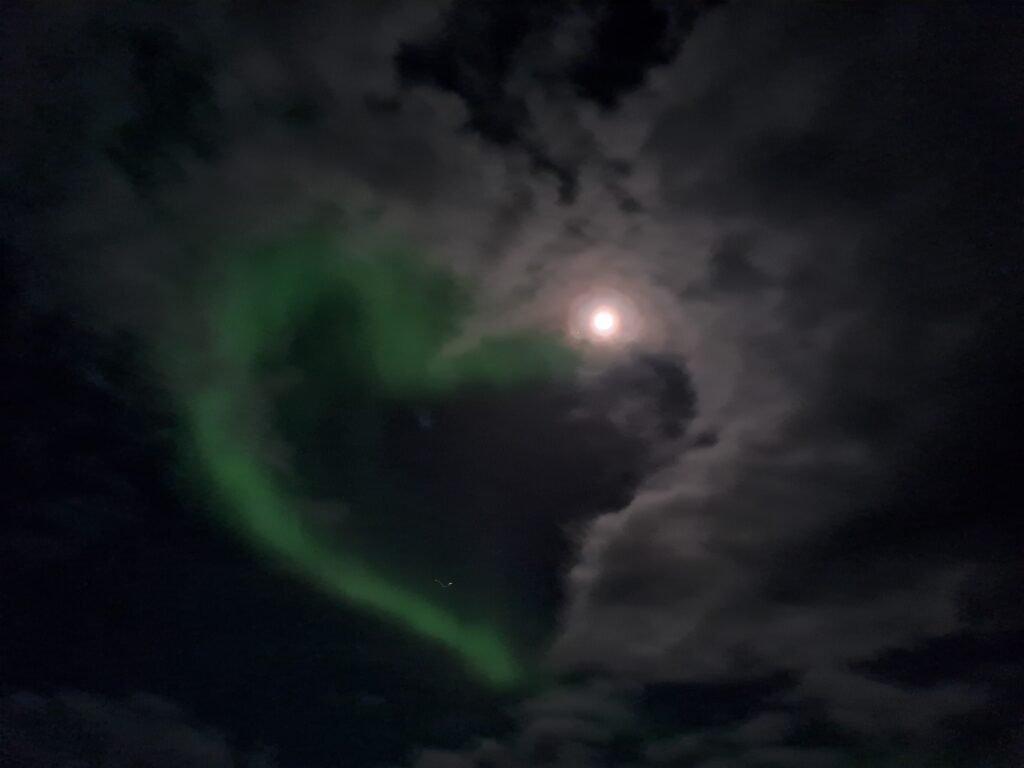
But, of course, if you’re visiting Norway in search of Arctic Adventure, you can’t beat the opportunities for the Northern Lights, husky sledding and snowmobiling!
Proper layers, windproof and waterproof outerwear and insulated snow boots are all essential. Plus, I would recommend packing slip-on crampons to keep yourself safe on the ice.
In terms of daylight, North Norway experiences Polar Night (typically in December and January), where the sun doesn’t rise at all and you instead get a beautiful blue light.
What to Wear in Norway in Winter
When choosing what to wear in Norway in winter, comfort always wins.
Trust me, Norway in winter is no time to put fashion first (that cold, wind, ice and constantly changing weather will quickly humble any outfit that isn’t practical anyway!)
The golden rule for staying comfortable AND safe is this three-layer system:
- A warm, breathable thermal base layer (merino wool is best, but polyester is a great affordable alternative)
- An insulating mid-layer (like fleece or wool)
- A windproof, waterproof, insulated outer layer
This formula is exactly what I used to stay warm, dry, safe and comfortable in Norway in winter – from Oslo all the way to Kirkenes in the far north (and a lot of places in between!)
Having layers allows you to be flexible when the weather changes or when you move from outside to inside and suddenly feel like you’re melting (Norway’s indoor heating is amazing, FYI!)
Katie’s Top Tip: If you’re unsure whether something deserves space in your suitcase, I always asked myself: Can I easily layer this? And can I remove it easily indoors? (Aka nothing too tight or too bulky.) If the answer is no, it doesn’t belong in your Norway winter packing!

What to Wear for City Exploring in Norway
City days in Norway (for example exploring Oslo, Bergen or Tromsø) are where a lot of visitors think they can just dress normally for winter and it will be okay.
But a winter city break in Norway still often means a lot of walking through icy pavements, thick snow, slush, wind, rain and freezing temperatures.
Oslo and Bergen
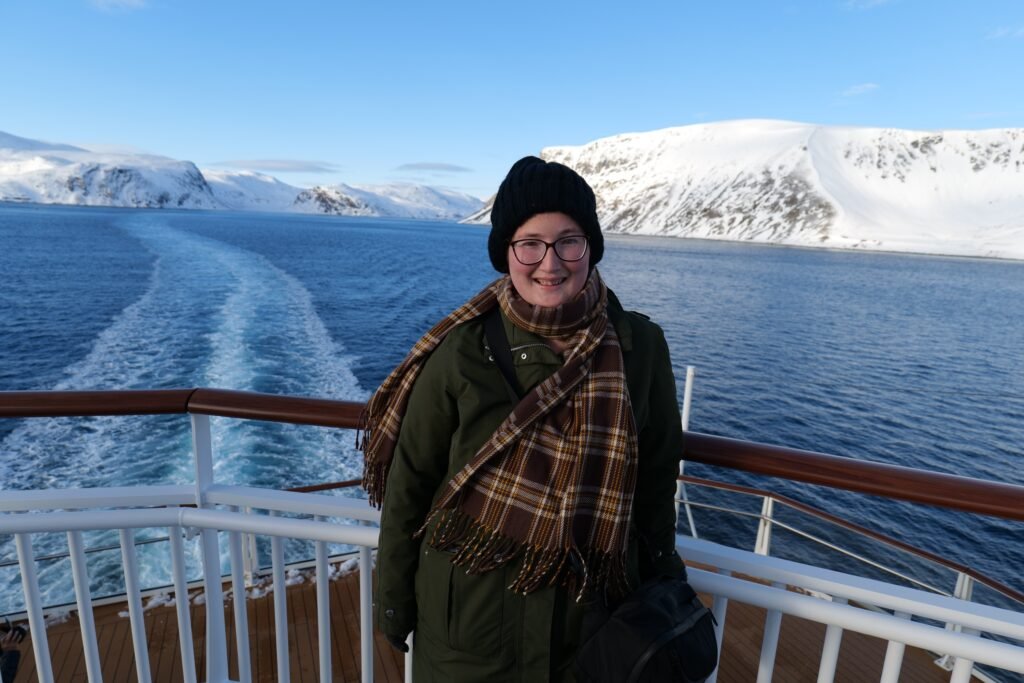
For city exploring in Oslo and Bergen, I wore:
- A thermal long sleeve base layer
- A merino wool jumper
- Regular trousers (as long as they’re not cotton!)
- An insulated, waterproof and windproof coat
- Proper insulated, waterproof snow boots
- A hat, scarf and touchscreen gloves
For reference, my trip to Oslo was in late February. There was snow on the ground, the pavements were a bit icy but well-maintained, and the temperature hovered around 0°C.
And my trip to Bergen was also in late February. There was no snow or ice and the temperature was around 2°C (although this felt colder when I took a boat trip to Mostraumen Fjord!)

Tromsø
Tromsø was a little different, as it is a city break above the Arctic Circle.
I still kept the above layers, but added thermal leggings and fleece-lined joggers, as well as a neck gaiter instead of a scarf, and crampons to keep me safe on the icy streets.
For reference, my trip to Tromsø was in early March and again in mid-March. There was snow on the ground both times and the pavements were icy.
The temperature in the day was around -4°C (although I did experience a low of -18°C during nighttime reindeer feeding inland!)
Katie’s Top Tip: Even in the cities, everyone dresses super practically in winter, so don’t worry about anyone judging you for not looking straight out of a glamour shoot! In fact, my top tip is that you should try to blend in with the locals – and that means dressing practically for warmth and comfort.
What to Wear for Fjord Trips in Norway
Fjord boat trips are magical – but also incredibly cold out there on the water!
During my trip to Norway in winter, I saw many fjords, including:
- Oslofjord
- Naerøyfjord
- Mostraumen Fjord
- Øksfjord
- Kjøllefjord
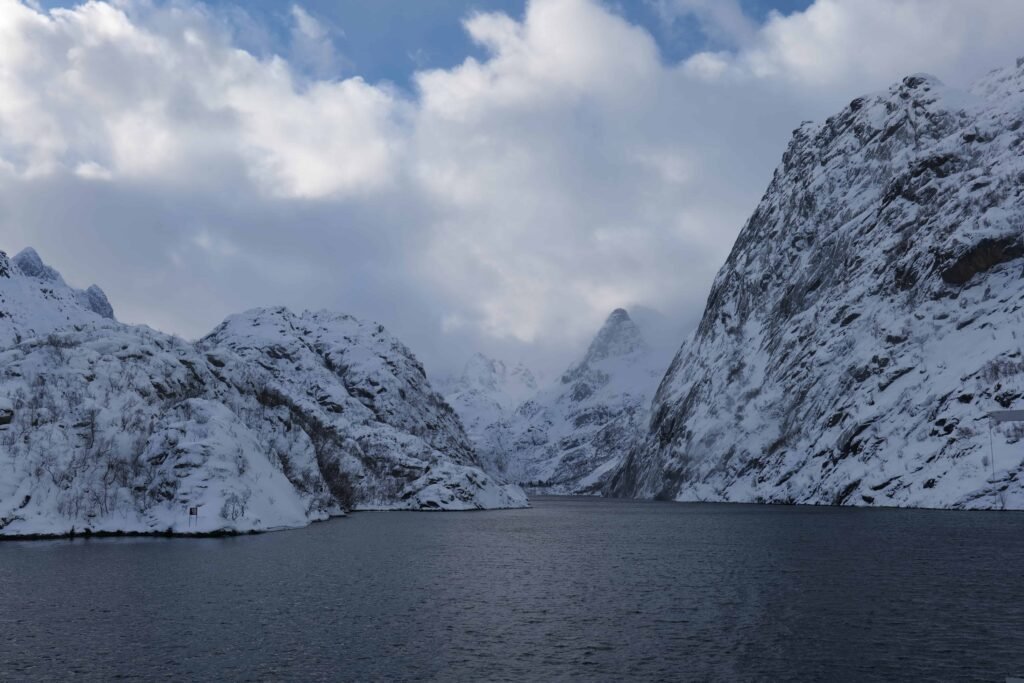
- Trollfjord
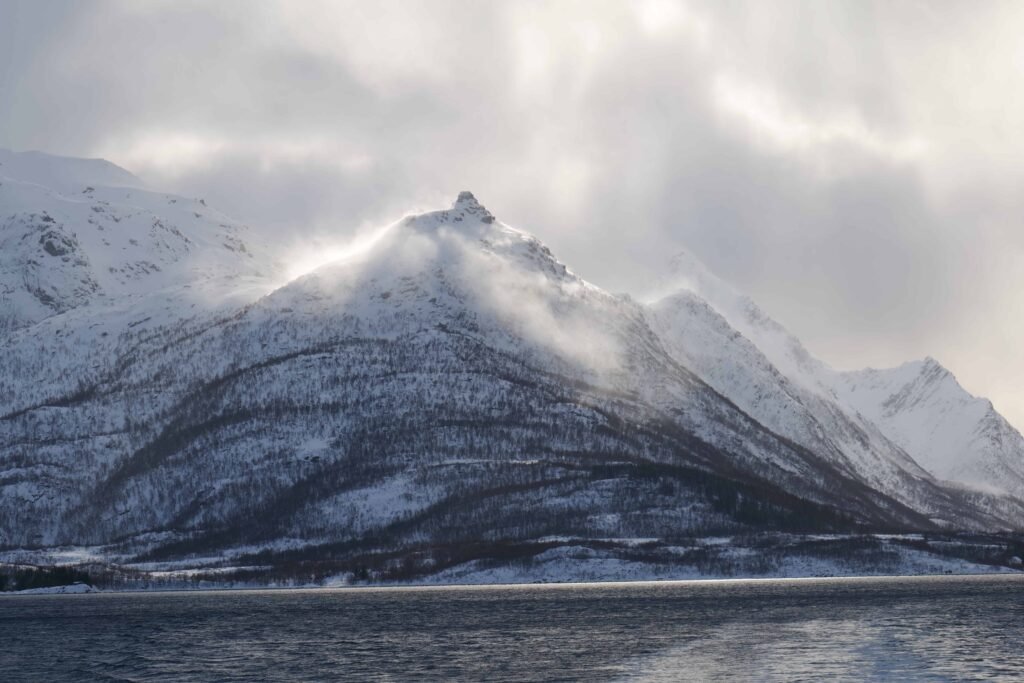
And during each of those incredible experiences (whether walking near the water, on the Coastal Express ferry or on a fjord cruise), I quickly found out wind chill is the main issue.
Even when temperatures aren’t extreme (for example in Mostraumen Fjord, near Bergen in milder western Norway), cold air and wind off the water is biting if you’re not properly layered.
So, on fjord days, I always wore:
- A long sleeve thermal top AND leggings
- A merino wool jumper or fleece
- Fleece-lined joggers
- Waterproof, windproof trousers
- An insulated, waterproof and windproof coat (so important!)
- Proper insulated, waterproof snow boots
- A hat, touchscreen gloves and a neck gaiter
Exploring Norway’s fjords were some of my favourite days of the trip, thanks to their dramatic landscapes and a sense of real calm. So being warm and well-dressed for the cold, wind and rain meant I could stay outside longer and enjoy it all!
Katie’s Top Tip: Wind protection matters so much when you’re out on the water, even if it’s a still day on land. A lighter thermal layer under a proper waterproof AND windproof shell (top and bottom) is essential.
What to Wear in Arctic Norway in Winter
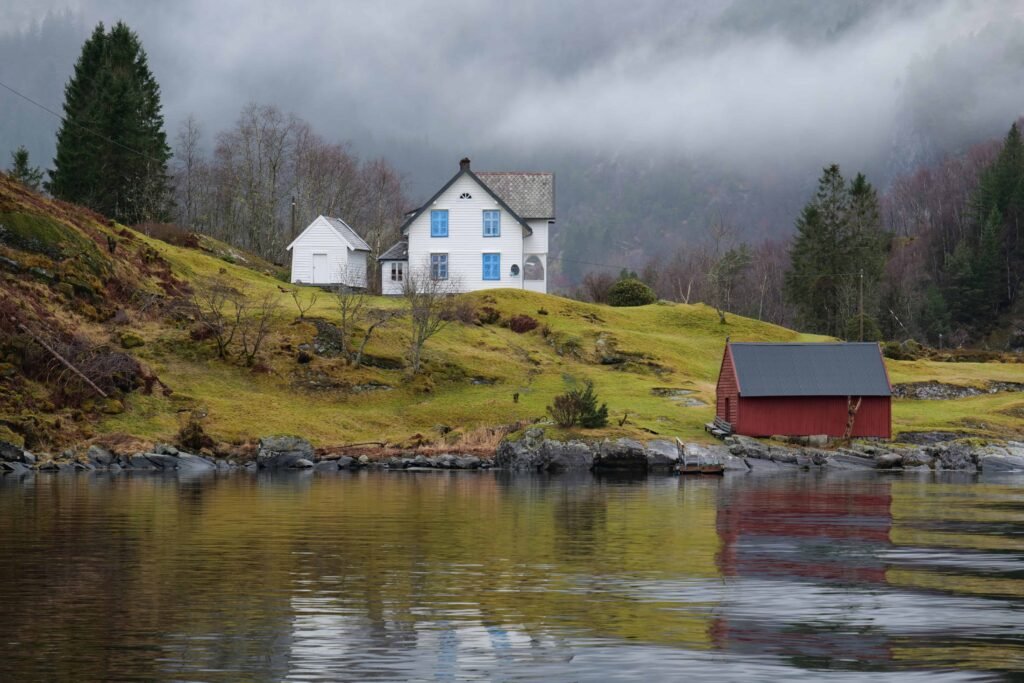
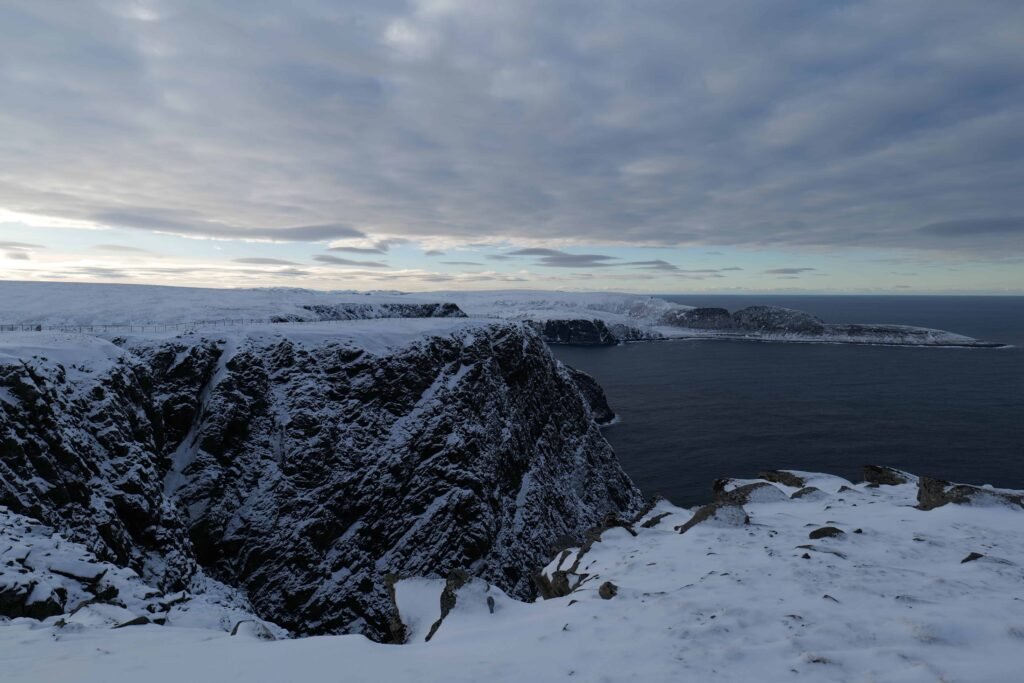
Once you head north (for example to Tromsø, Alta or Kirkenes, or to more natural landscapes like the Lofoten Islands or North Cape), packing right becomes a lot more important.
And having the best winter clothing for Norway isn’t optional but essential, both for your safety and comfort.
Being up in the Arctic means temperatures (sometimes well) below freezing, near-constant snow and ice on the ground and limited (or non-existent during Polar Night) daylight.
In the Arctic, I wore:
- A long-sleeve thermal top and leggings (rated “very high” for warmth)
- A merino wool jumper (and sometimes even a fleece on top as well)
- Fleece-lined joggers
- Double wool socks (one thin, liner pair and one thick, cushioned pair)
- An insulated, windproof and waterproof coat
- My trusty insulated to -20°C, waterproof snow boots
- Slip-on crampons
- A hat, neck gaiter and thicker touchscreen gloves with a fleece lining
Katie’s Top Tip: When I visited the Arctic in February/March, the temperatures fluctuated wildly between around -2°C to -18°C (at night). Because of this, make decisions on your layers by looking at a weather forecast each morning. Of course, you’ll want to look at the temperature and any rain or snowfall, but pay most attention to wind strength. With that up-to-date data, you can make an accurate decision each morning about which layers to mix and match!
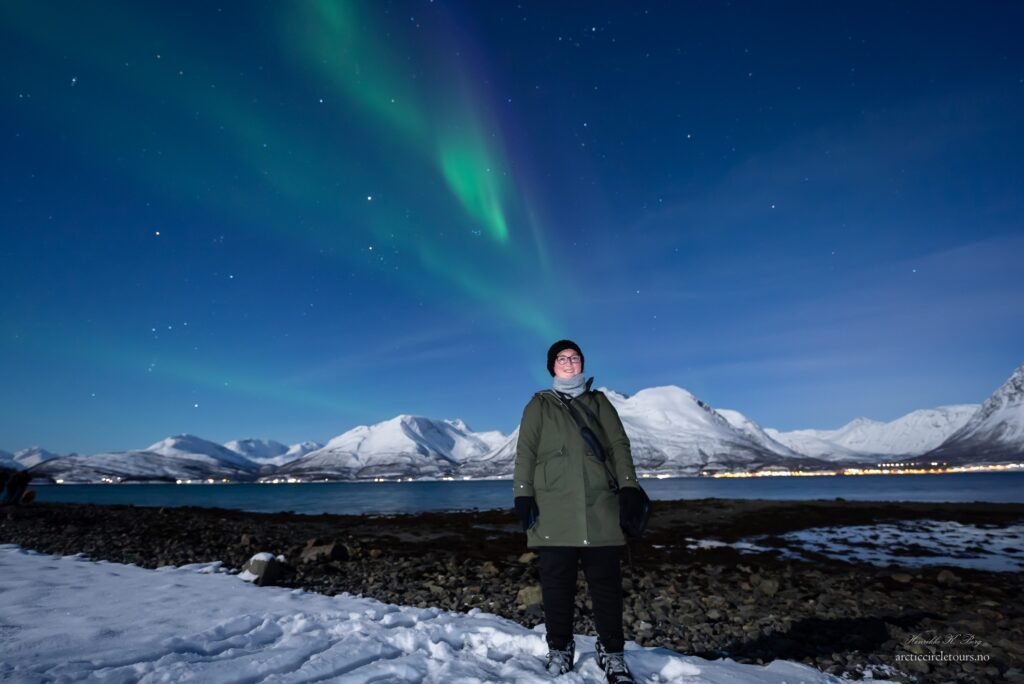
What to Wear for the Northern Lights in Norway
Seeing the Northern Lights is truly unforgettable (especially for the first time) but chasing them is also one of the coldest moments you’ll experience in Norway in winter.
You’ll likely be standing still for a long time waiting, late at night (when the temperature drops anyway) and in open, exposed areas.
If you pack the wrong layers, this is where you’ll feel it!
And, of course, for such a bucket-list experience, you want to actually enjoy the lights rather than feel cold and miserable.
For aurora chases, I wore:
- A long-sleeve thermal top and leggings (rated “very high” for warmth)
- A merino wool jumper and a fleece on top
- Fleece-lined joggers
- Two pairs of wool socks
- An insulated, windproof and waterproof coat
- My trusty insulated to -20°C, waterproof snow boots
- A hat, neck gaiter and thicker touchscreen gloves with a fleece lining
I also packed USB rechargeable handwarmers, a mini hot water bottle and my own flask of hot chocolate, which were absolute gamechangers for how comfortable I felt!
Katie’s Top Tip: For the Northern Lights, I also recommend you wear a thermal suit to stay warm. You can either rent these or a lot of guided chases will provide one for you.
What to Pack For Norway in Winter
Best Winter Clothing For Norway
Base Layers
I’m not exaggerating. Base layers matter more than anything else you pack!
They sit directly against your skin, which means they’re responsible for keeping you warm and dry – whether you’re out exploring icy city streets or waiting for the Northern Lights!
When your base layers fail, everything else feels miserable very quickly.
(And yep, I’m speaking from experience! During my winter trip to Iceland, I packed base layers with cotton – aka not moisture-wicking at all – aka super cold and uncomfortable to wear! 🫣)
Do not be like me during your winter trip to Norway!
Synthetic (polyester/isotherm) is perfectly okay as a more affordable alternative to merino wool BUT make sure it doesn’t contain cotton and is specifically moisture wicking.
Katie’s Top Tip: On my own winter trip to Norway, I wore my base layers every day. I packed three full sets and rotated them (and did laundry!), which worked perfectly for my 3-week trip.
Thermal Long-Sleeve Tops
A thermal top is something you’ll wear every day in Norway in winter. It traps heat close to your body, wicks moisture, and stops cold air creeping in under your mid layers and coat.
I wore mine constantly – under a coat for city days and as part of my three-layer system in the Arctic!
- What I Wore: Mountain Warehouse Talus Long Sleeve Baselayer Top
- Merino Wool Option: DANISH ENDURANCE Merino Wool Base Layer

Thermal Base-Layer Leggings
Thermal leggings make a huge difference to how warm and comfortable you feel, especially on cold, windy days when the temperature drops below freezing.
I layered mine under regular trousers, fleece-lined joggers or even under insulated waterproof trousers during husky sledding.
- What I Wore: Mountain Warehouse Talus Thermal Baselayer Pants
- Merino Wool Option: Icebreaker 175 Thermal Leggings

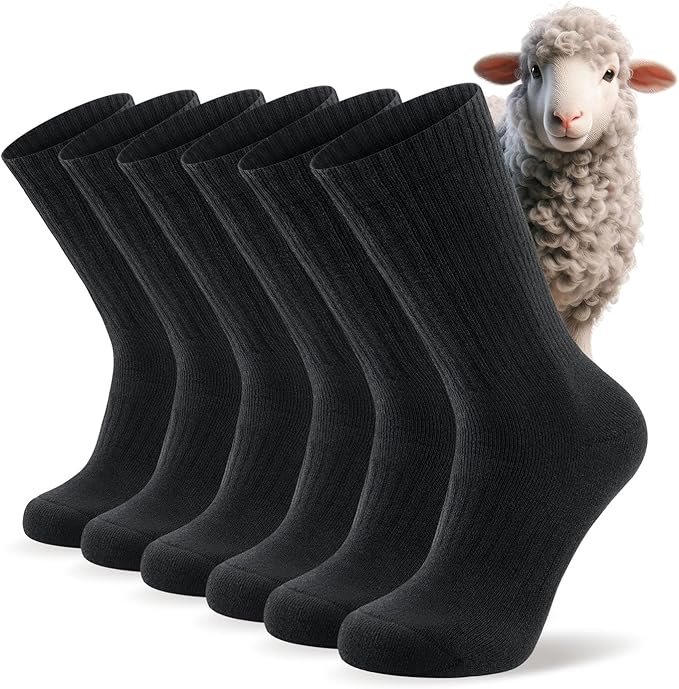
Thick Thermal Socks
Thick thermal socks are non-negotiable for Norway in winter. These are your outer socks, so should be thick, cosy and cushioned to keep heat in and add comfort.
- What I Wore: PULIOU Merino Wool Socks
Thinner Wool Socks (For Layering)
Layering socks sounds excessive until you try it (and then you’ll never go back, I promise!)
A thinner wool sock worn underneath your thicker thermal sock helps regulate temperature, reduces sweating, and keeps your feet warmer for longer.
For me, layering socks was essential for days where I knew I’d be outside for long periods of time or evenings when I chased the Northern Lights in Tromsø.
- What I Wore: DANISH ENDURANCE Hiking Socks
Mid Layers
Mid layers trap warm air from your base layers and give you flexibility.
And, as I said earlier, flexibility is essential in Norway – where you’ll constantly be moving between freezing outdoor temperatures and warm, heated indoor spaces.
The right mid layers mean you’re never under or overdressed!
Katie’s Top Tip: Fleece and merino wool are amazing in cold temperatures and dry quickly. Merino wool jumpers are also lightweight, which is great for packing. I packed a mixture of both for my trip!
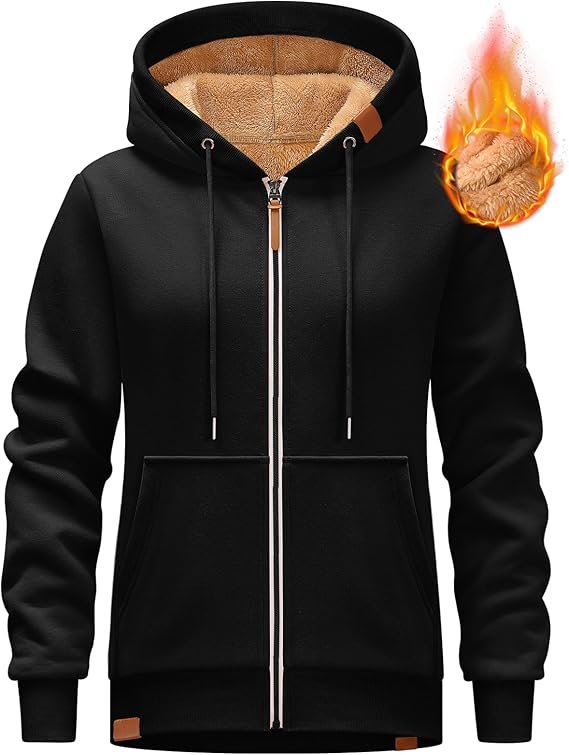
Fleece-Lined Hoodie
A fleece-lined hoodie is one of the most versatile items you can pack for Norway in winter, as it’s easy to throw on or remove, and is reliably warm without being too bulky.
I wore mine constantly, especially on travel days or for getting cosy back at my hotel!
- What I Wore: TOMEEK Fleece Hoodies for Women
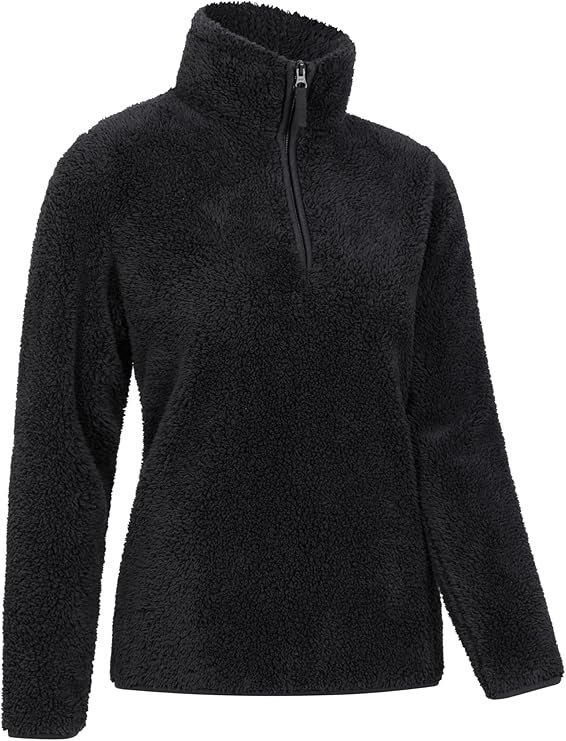
Sherpa or Teddy Fleece
This definitely isn’t an essential, but I loved having this with me – especially for relaxing back at my hotel (it feels like a dressing gown!)
- What I Wore: Mountain Warehouse Teddy II Womens Fleece
Lightweight Merino Wool Jumpers
Lightweight merino jumpers are perfect for Norway in winter because they’re warm without being bulky.
Merino wool is highly breathable, layers easily, and has unbeaten performance in even the coldest temperatures (tried and tested in -18°C, I can confirm it lives up to the hype!)
- What I Wore: 100% Merino Wool V-Neck Jumper from Marks & Spencer
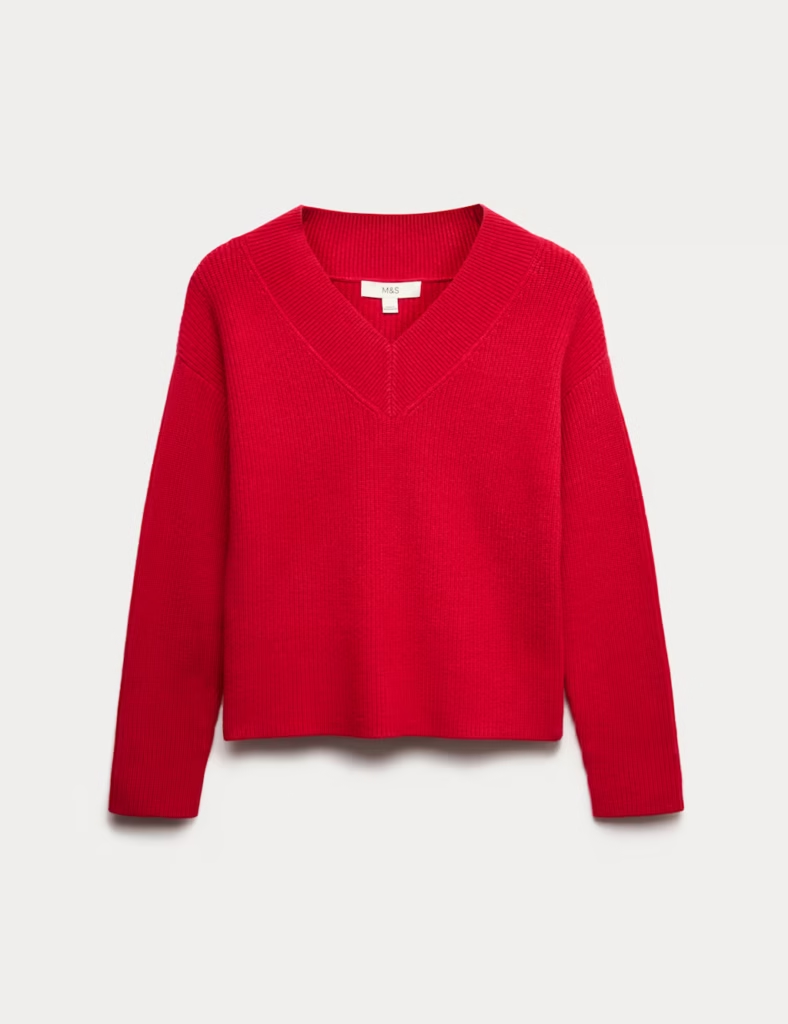
Regular Jumpers
If you can’t invest in a merino wool jumper, a regular jumper is okay too (especially for milder days, travel days or when you’re indoors most of the time).
I wore mine a lot in the cities (Bergen and Oslo), where temperatures were cold but less extreme than further north.
- What I Wore: Ribbed V-Neck Relaxed Jumper from Marks & Spencer
Trousers or Leggings
These are your everyday bottoms, so they should be comfortable enough for travel and downtime, but practical for exploring outside.
Just make sure they’re roomy enough to layer thermal base leggings underneath if you need to, without feeling tight or restrictive.
All of mine are quite old, so I don’t have links to share, but I got them from M&S and Next.
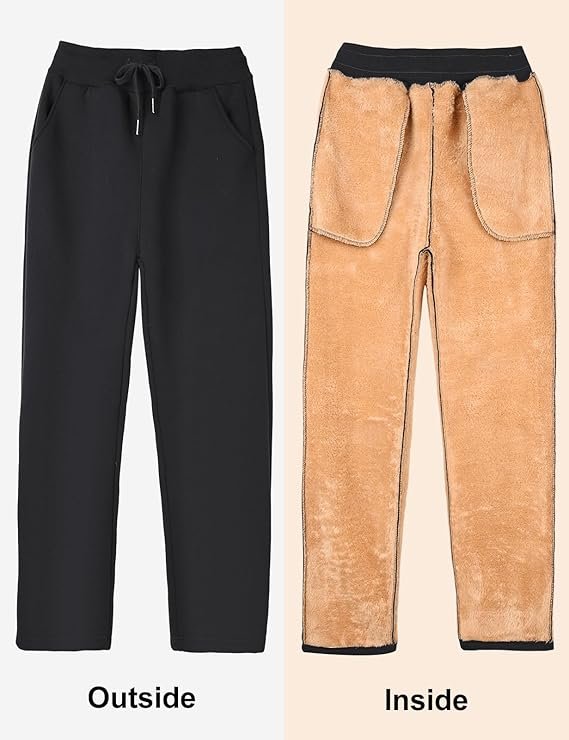
Fleece-Lined Joggers
Fleece-lined joggers are kinda bulky so I almost didn’t pack them – but they ended up being my favourite clothing item throughout my trip!
They’re incredibly warm, soft and perfect for colder days and also for lounging about inside.
- What I Wore: UMIPUBO Womens Fleece Lined Joggers
Outer Layers
Your outer layers are what stand between you and Norway’s brutal winter weather, from snow and ice to wind and rain – sometimes all in an hour!
A proper waterproof, windproof outer layer is essential for enjoying Norway in winter, rather than feeling miserable and cold.
Katie’s Top Tip: Longer coats really do make a big difference. A coat that covers at least your thighs will keep you significantly warmer and drier than a short jacket.
Windproof, Waterproof Winter Coat
A long, insulated, waterproof (not just water resistant) AND windproof coat is one of the most important investments in your Norway winter packing list.
It blocks brutal wind chill, keeps snow and rain from soaking you through, and locks warmth in over your layers.
- Similar To What I Wore: Mountain Warehouse Alaskan Womens 3 In 1 Long Jacket
- Other Option: Helly Hansen Aden Long Insulated Coat

Waterproof Trousers
These might feel optional (and if you’re only planning a winter city break, maybe they are), but in most cases, packing waterproof trousers is essential in Norway.
Waterproof trousers protect you from snow and rain, which would easily soak through regular trousers and leave you feeling cold and miserable.
Plus, they are also invaluable during excursions – especially if you’re seated (for example, husky sledding).
- What I Wore: Mountain Warehouse Downpour Waterproof Trousers
- Other Option: Helly Hansen Women’s Aden Waterproof Trousers

The Best Snow Boots for Norway (Tested for Ice & Snow!)
I’m not kidding when I say your footwear will make or break your entire trip.
Icy pavements and thick snow are common across Norway in winter, so the right boots will keep your feet warm, give you better balance and grip, and make you feel more confident.
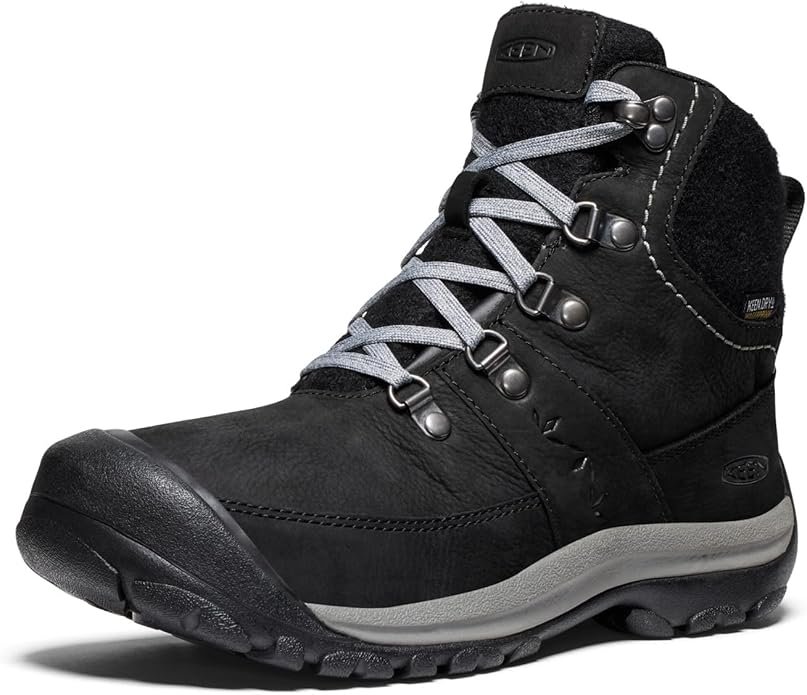
I personally wore the KEEN Women’s Kaci 3 Winter Mid Waterproof Hiking Boots for everything from city days and fjord boat trips to chasing the Northern Lights and husky sledding.
They’re insulated for temperatures down to -20°C (I tested this in -18°C whilst reindeer feeding in the Arctic, and can confirm my feet stayed toasty warm!)
Plus, the boots are also fully waterproof (not just water-resistant), have amazing grip on ice and compacted snow, and were incredibly comfortable (even with my foot arch issues).
I was walking daily, mostly on uneven or slippy ground, and never had sore or cold feet.
But regardless of which boots you pick, this is what to look out for:
- Fully waterproof (water-resistant isn’t enough)
- Proper insulation (look for temperature ratings suitable for minus conditions)
- Good sole grip (ice is common, even in cities)
- Ankle support (this is a game-changer for comfort)
Trainers or fashion boots aren’t going to cut it – and slipping over on the ice or getting cold feet on an excursion just aren’t risks you want to take.
Underwear + Other Clothing
- Underwear
- Bras
- Sports bras
- Thermal tights
- Pyjamas
- Fluffy sleep socks (optional but definitely recommend!)
- Swimwear (if you want to visit a sauna)
Winter Accessories
These are the underrated extras that keep you comfortable, warm and dry in Norway in winter!
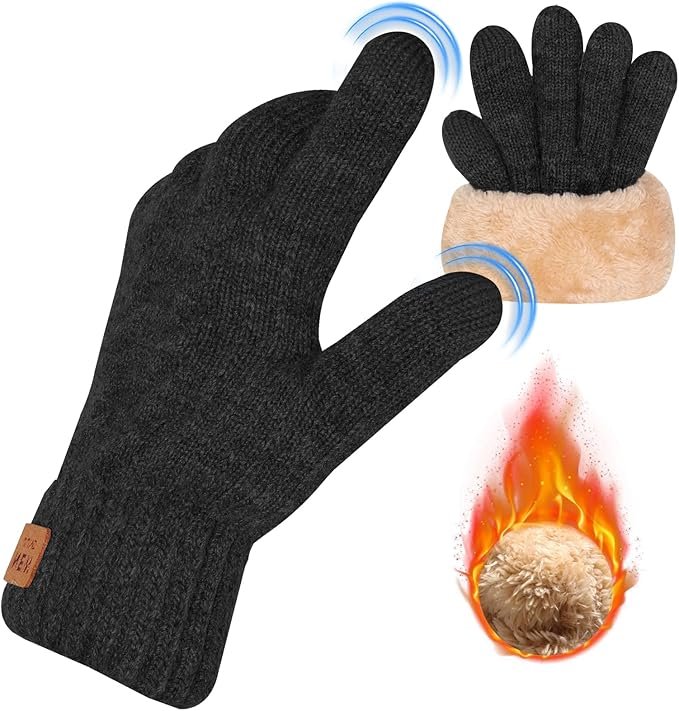
Touchscreen Gloves
Touchscreen gloves are a must in Norway in winter because you’ll be taking photos constantly of the spectacular scenery, and you don’t want to be pulling your gloves off every two minutes!
- What I Wore: Unigear Lightweight Touchscreen Gloves
- I also packed a thicker pair: Bototack Winter Thermal Gloves
- Other Option: Black Diamond Heavyweight Screentap Gloves
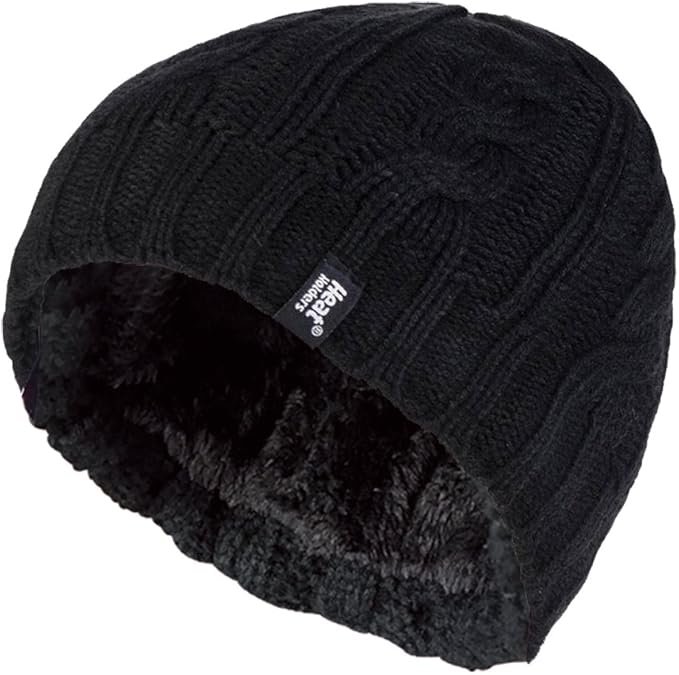
Fleece-Lined Hat
A warm, fleece-lined hat is non-negotiable for Norway in winter. Your head loses heat fast, so a cosy hat will keep you warm and comfortable.
I wore mine almost constantly outdoors!
- What I Wore: Heat Holders Women’s Fleece-Lined Thermal Hat
Neck Gaiter
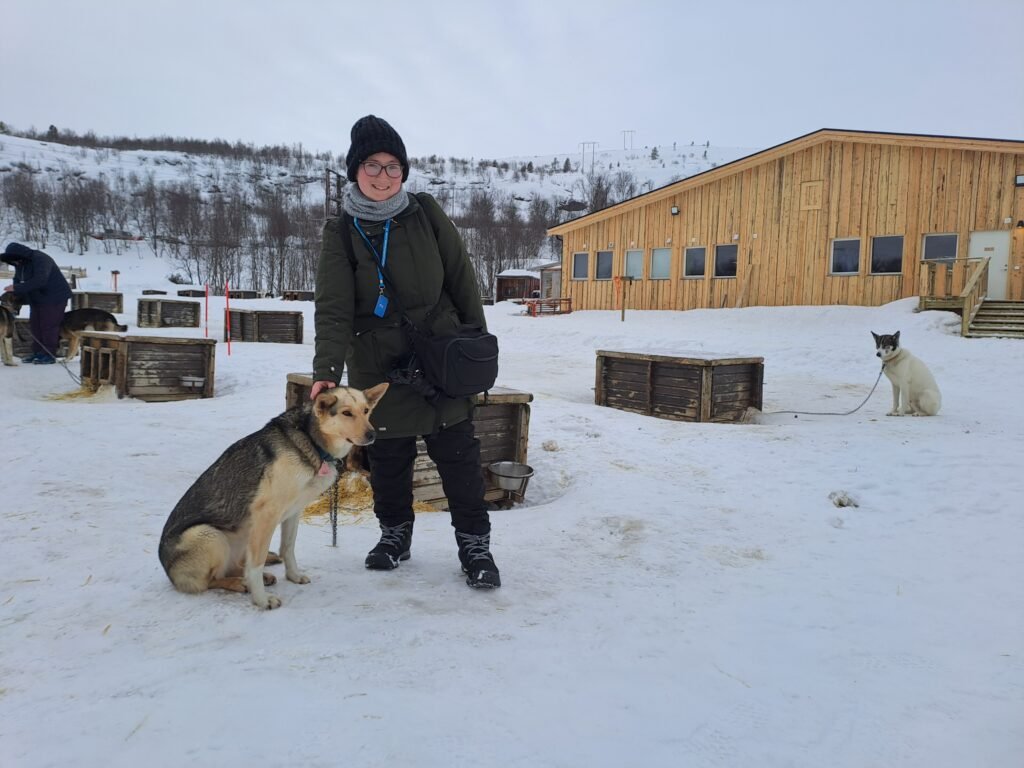
A neck gaiter is way more practical than a scarf in Norway in winter, especially when it’s windy. It stays in place, doesn’t flap around, and can be pulled up over your face for extra protection.
I definitely noticed the difference when I wore my neck gaiter vs my scarf – especially in North Norway!
- What I Wore: TSLBW Fleece Lined Thermal Neck Warmer
- Other Option: DANISH ENDURANCE Merino Wool Snood
Scarf
A cosy scarf is still worth packing, especially for city days or times when you’re going in and out of indoor spaces. It gives you more flexibility than a neck gaiter.
- What I Wore: ECOMBOS Winter Tartan Scarf
- Other Option: DANISH ENDURANCE Winter Scarf with Merino Wool

Sunglasses
Sunglasses are one of those things you don’t expect to need in Norway in winter, but you absolutely do! Snow glare is intense (even on cloudy days), and they also protect your eyes from wind.
I wear prescription sunglasses, but here are a couple of options:
- Budget Option: CARFIA Retro Polarised Sunglasses for Women UV400
- Higher-End Option: Ray-Ban Women’s Rb4171 Sunglasses
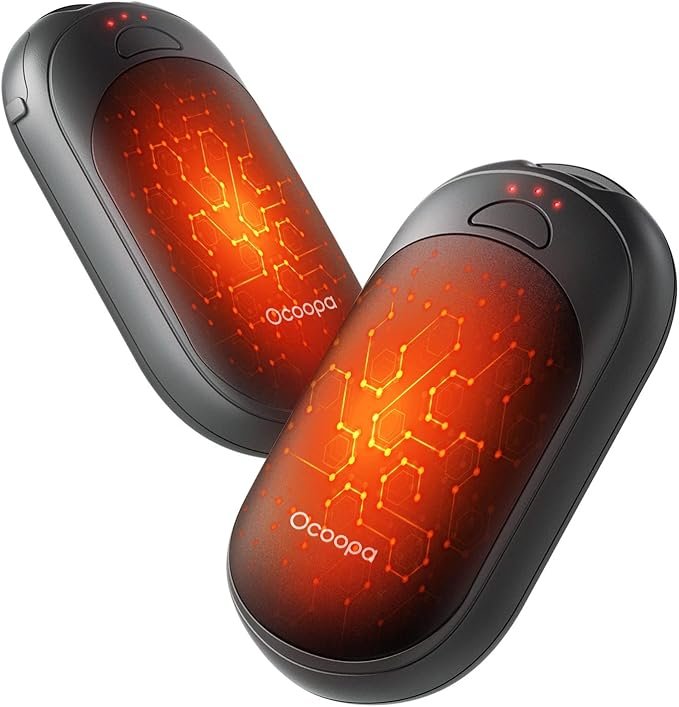
USB Rechargeable Hand Warmers
If you’re watching the Northern Lights or spending a lot of time outdoors, USB rechargeable hand warmers are a game-changer!
They’re more eco-friendly than disposable ones, last for hours, and keep your hands genuinely warm.
I first used these on a winter trip to Iceland and have never travelled without them since!
- My USB Handwarmers: OCOOPA Rechargeable Hand Warmers 2 Pack
Slip-On Crampons
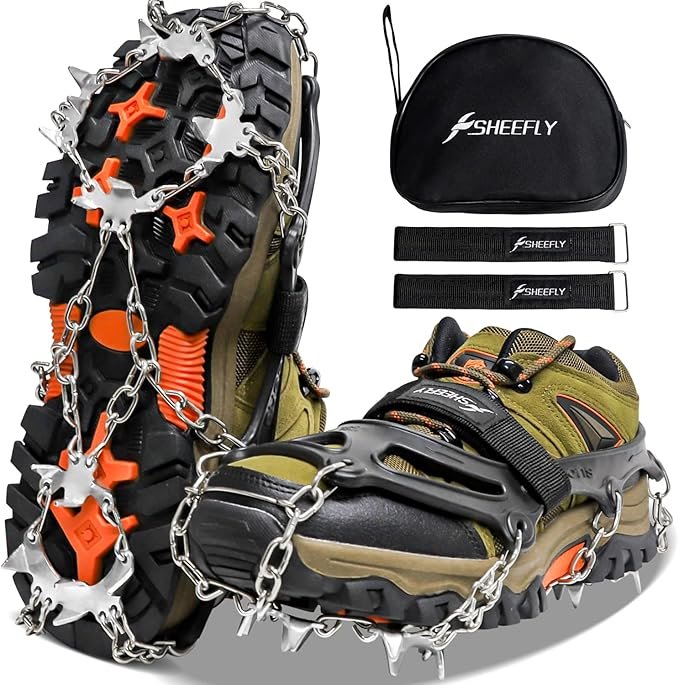
Norway gets very icy in winter, so slip-on crampons reduce the risk of slipping. Plus, they’re lightweight enough to carry everywhere in your day bag.
I packed mine and used them regularly, but on the one day I forgot them in Tromsø, I slipped on the ice. Luckily, I wasn’t hurt, but it was a reminder of how important these are!
- My Slip-on Crampons: SHEEFLY Crampons
For reference, I have size 8 feet (UK women’s), but with snow boots, size large was too small. I ended up buying these in a size XL and they fit perfectly.
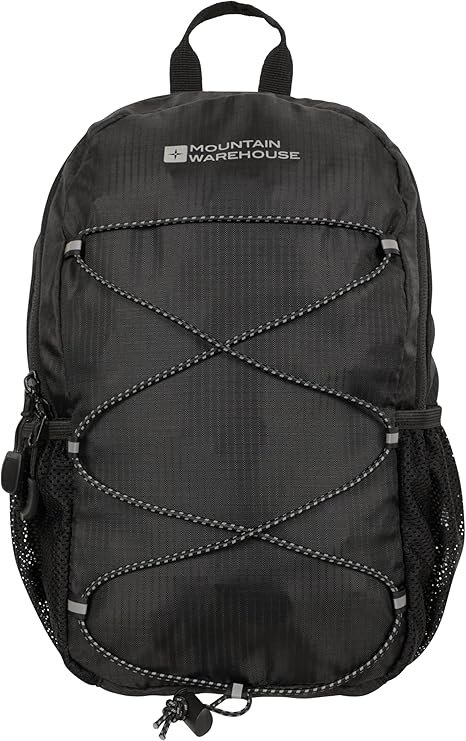
Lightweight Backpack
A small, comfortable backpack is essential for excursions and city exploring. You’ll need space for your camera, water, extra layers, hand warmers, chargers and snacks on the go!
- My Backpack: Mountain Warehouse Trek 8L Backpack
- Other Option: Osprey Daylite Plus
Waterproof Backpack Cover
Snow, sleet, rain and even sea spray can soak your bag. So a lightweight waterproof cover protects your tech, documents and valuables without needing a fully waterproof backpack.
My Backpack Cover: Unigear Anti-Rain Backpack Cover, 10-90L

Tech Essentials
Cold temperatures drain your batteries incredibly fast, storage fills up quickly when you’re photographing spectacular scenery, and it’s very easy to forget something important!
These are the tech items that were essential on my trip:
Phone & Charger
Your phone is, of course, everything on this trip to Norway: camera, maps, bookings, translations, torch – you’ll use it constantly!
Portable Charger
Cold weather drains your phone battery ridiculously fast, especially when you’re taking photos all day. So a high-capacity power bank that can charge your phone multiple times is essential.
- My Favourite Portable Charger: Anker Power Bank 20,000mAh

Headphones
Perfect for flights or downtime in your hotel! Noise cancelling headphones are especially helpful if you’re planning to use a lot of public transport throughout Norway.
- My Wireless Earbuds: soundcore V20i by Anker Open-Ear Headphones
- Other Option: Apple AirPods Pro 2 Wireless Earbuds
- My Wireless Headphones: soundcore by Anker Q20i Noise Cancelling Headphones
- Other Option: Bose QuietComfort Noise Cancelling Headphones

Universal Travel Adapter
Norway uses European plug types (C & F) but a universal adapter is a great investment for future trips too!
- My Travel Adapter: TESSAN Universal Travel Adapter 28W

Kindle
A Kindle is perfect for cosy evenings in your hotel, long journeys by public transport or relaxing in a café. It’s lightweight, waterproof, and saves so much space compared to physical books.
- My Kindle: Amazon Kindle Paperwhite Signature Edition
- My Kindle Case: MoKo Case for All-new 7″ Kindle Paperwhite

Waterproof Phone Pouch
Ideal for heavy snow or rain when you still want to take photos without risking your phone.
- My Waterproof Phone Pouch: YOSH Waterproof Phone Pouch

Tripod (for Northern Lights)
The Northern Lights really need a tripod for sharp, good-quality shots. Even if you’re only planning to use your phone, a tiny travel tripod makes a huge difference!
(Although some tours do provide them, so be sure to check before you pack your own!)
- My Phone Tripod: ATUMTEK 55″ Selfie Stick Tripod
- My Camera Tripod: K&F CONCEPT 75″/190cm Compact Camera Tripod
Camera, Batteries & Memory Cards
A camera is well worth the weight if you want high-quality photos from your trip!
Plus, spare batteries and memory cards are also essential because cold drains power fast and storage fills quickly when there’s so much beautiful scenery to capture.
- My Camera: Panasonic Lumix S5 II
- My Favourite Memory Card: SanDisk 256GB Extreme PRO SDXC card
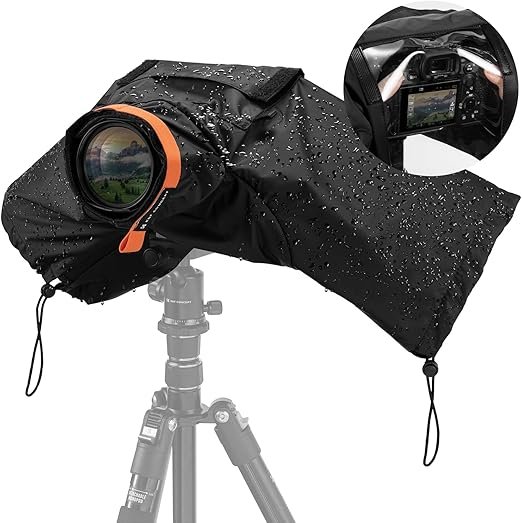
Waterproof Camera Cover
This is essential for continuing to take photos in all weathers, including rain and falling snow (plus it keeps your hands a bit warmer in the process!)
Without it, you risk damaging your expensive gear (I had to learn that the hard way on my trip to Iceland and one water-damaged camera later, I’ll never go back!)
- My Waterproof Camera Cover: K&F CONCEPT Professional Waterproof Camera Rain Cover
Waterproof Camera Bag
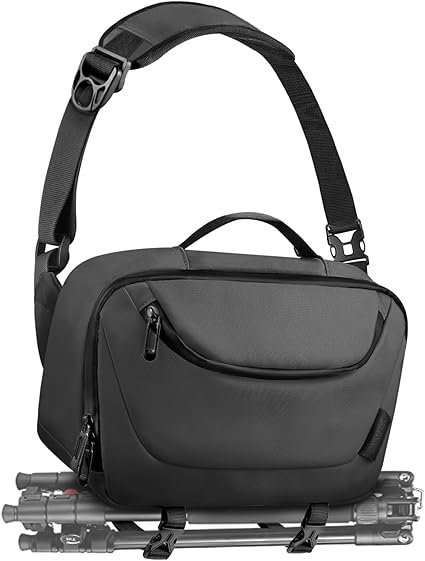
A waterproof camera bag keeps your camera, lenses, batteries and SD cards protected and organised on the go.
For reference, my waterproof camera bag was plenty big enough to store my waterproof camera cover, spare batteries, spare SD cards, my Panasonic LUMIX S5 II camera and 20-60mm kit lens, and my 28mm-200mm zoom lens.
- My Camera Bag: TAAOKA Camera Sling Bag Waterproof
GoPro (Optional)
Great for husky sledding, snowshoeing and reindeer excursions, as the footage is stabilised and the camera itself is also weather-resistant!
- Go Pro Option: GoPro HERO13 Black – Waterproof
Laptop (Optional)
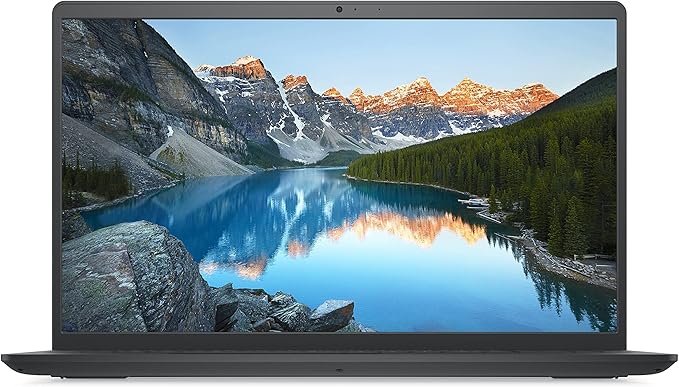
This is only really necessary if you’re working on your trip, editing photos or blogging. I didn’t bring mine on this trip, but I have on others.
- My Blogging Laptop: Dell Inspiron 15 Laptop
Toiletries & Personal Care
Essential Toiletries
- Razor
- Solid stick deodorant
- Toothbrush & toothpaste
- Toothbrush charger
- Lip balm with SPF
- Contact lenses & solution (if needed)
- Period products
Haircare
- Solid shampoo bar
- A case to store your shampoo bar after use
- Conditioner
- Leave-in conditioner
- Hair ties or scrunchies
- Any other essential products you need
Skincare
- Body wash
- Body and hand cream combo (space saving!)
- Face moisturiser
- Any other daily skincare you need to use
Medication & Health
- Painkillers
- Motion sickness tablets
- Any prescription medication
- Savlon
- Muscle relief
- Plasters
- Travel sickness bands
- Travel tissues
Katie’s Top Tip: I packed makeup, but ended up never using it. So think carefully about whether you will, and if so, strip it back to the minimum.
Documents
- Passport
- Travel insurance
- Excursion confirmations
- Bank cards
- Printed and digital copies of key documents
Optional Extras
These aren’t Norway winter packing essentials, but they’re the small, homey items that make cold travel days easier and more comfortable!
Earplugs
Earplugs are worth packing if you’re a light sleeper, especially if you’re booking city centre hotels or hoping to nap on public transport. Plus, they take up almost no space.
- Earplugs: Loop Quiet 2 Ear Plugs

Sleep Mask
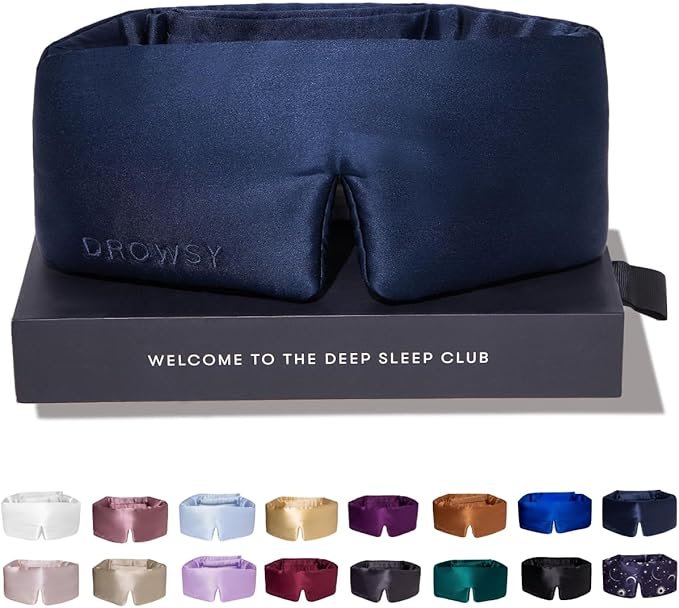
Again, if you’re planning on sleeping on public transport or are sensitive to light (the light from the smoke alarm in hotels can be annoying!), then this is great to have.
- Sleep Mask: DROWSY Silk Sleep Mask
Foldable Tote Bag
A foldable tote is a useful extra you’ll reach for again and again. It’s perfect for groceries, carrying extra layers or picking up souvenirs!
- My Tote: FenFang Reusable Shopping Bag
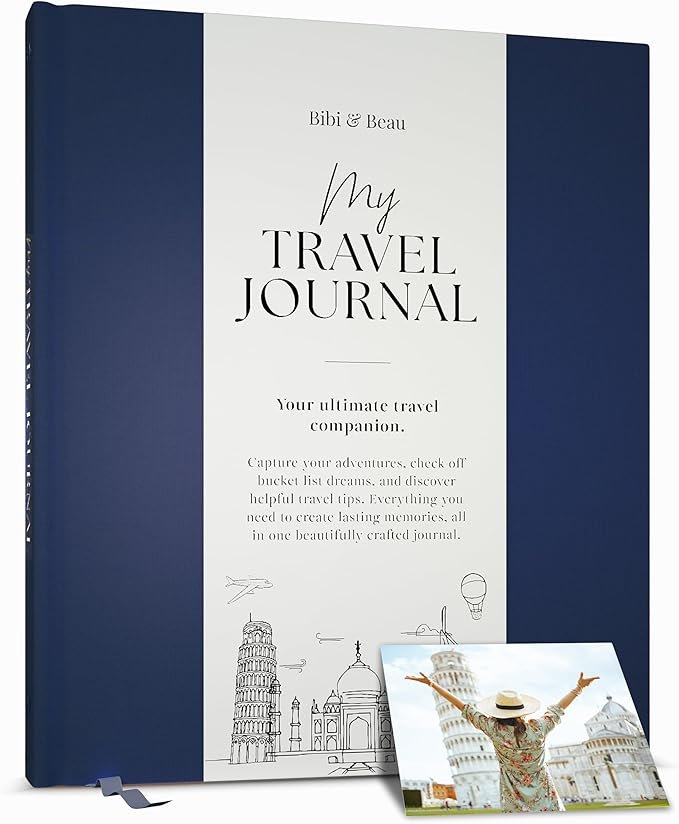
Notebook or Journal
I always pack a journal when travelling, to reflect on my experiences and also to record memories. For solo travel especially, journaling can help you slow down, notice what you loved, and work through any challenges that come up.
- Travel Journal: Travel Planner & Holiday Journal for 16 Trips by Bibi & Beau
- Blank Journal: Moleskine Classic A5 Notebook
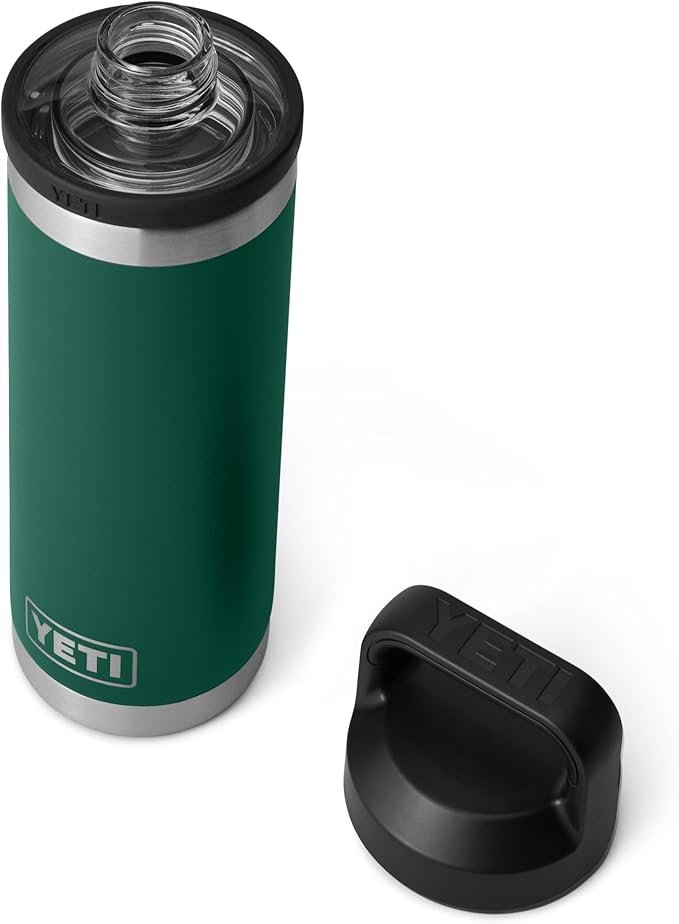
Insulated Water Bottle
Staying hydrated in cold weather is easy to forget but essential. Tap water in Norway is drinkable, so an insulated bottle lets you refill easily, save money and reduce waste.
- My Insulated Bottle: YETI Rambler Bottle 532ml
Thermal Flask
A thermal flask was another last-minute item, but I was so glad of it! Being able to take a hot drink with you makes cold days feel far more manageable (and it’s more affordable too!)

Hot Chocolate Sachets
Your favourite hot chocolate sachets add a little home comfort after a cold day, and go perfectly with the thermos flask.
- My Favourite Hot Chocolate: Cadbury Instant Hot Chocolate Sachets
Cereal Bars
Having easy snacks in your day bag is great for long travel days or if you can’t find something to eat (for example while out on an excursion).
- My Favourite Cereal Bars: Nature Valley Crunchy Oats and Chocolate Cereal Bars
Mini Hot Water Bottle
This is very much optional, but I personally loved having it with me!
I packed a mini hot water bottle because I get bad period cramps, but also ended up using it to warm up in the evenings and pre-heat the bed in hotels.
- My Adorable Mini Hot Water Bottle: KUYOU Mini Hot Water Bottle With Pouch

Plastic Travel Cutlery
This isn’t essential for every trip, but it’s great if you’re staying somewhere with a shared kitchen or want to grab a takeaway lunch on the go.
- My Travel Set: Sistema Reusable Travel Cutlery Set
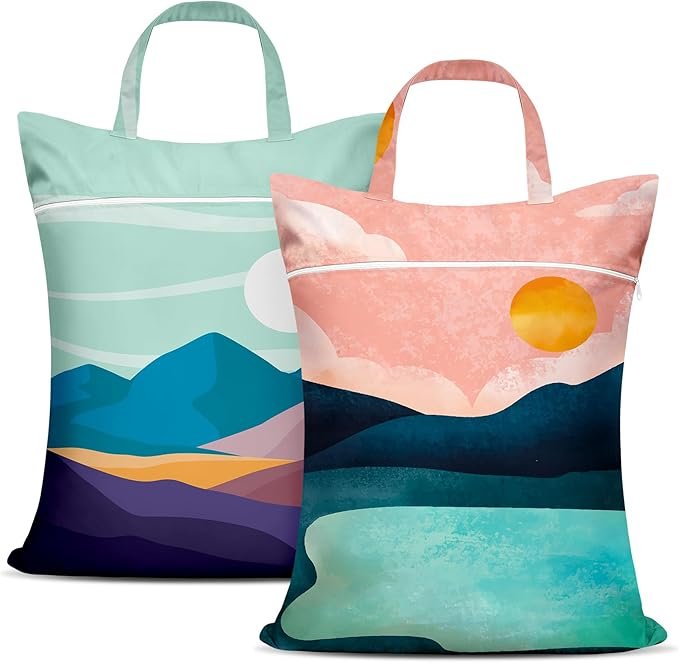
Laundry Bag
A laundry bag keeps dirty clothes separate, helps with organisation, and makes laundry days far easier!
- My Laundry Bag: Nidoul Travel Laundry Bag
Ziploc Bags
These are so useful for everything from separating wet gear and organising small items in your day bag to protecting electronics from damp and storing snacks.
I almost didn’t pack them, and then used them constantly!
- My Pick: Norvens Reusable Ziplock Bags
Portable Laundry Line
If you’re packing light or travelling for more than a week, a portable laundry line is so helpful. Not everything is dryer-safe (merino wool), so this lets you air-dry clothes.
- My Portable Clothesline: PAIDASHU Portable Clothesline

Packing Cubes
Packing cubes are game-changing for winter travel! Bulky layers take up so much space, so cubes keep everything organised, compressed and easy to find.
- My Packing Cubes: Gonex Compression Packing Cubes

Norway Winter Packing List: List Only
Or, if you’re anything like me and love having a physical list to tick off, I made you a FREE PDF version of this entire winter packing list – you can download it here:
Clothes
- Underwear
- Sports bra
- Bras
- Thin wool socks
- Thick wool socks to layer
- Pyjamas
- Thermal long-sleeve tops
- Thermal leggings
- Jumpers
- Fleece (wear this!)
- Trousers or leggings
- Waterproof trousers
- Scarf
- Neck gaiter
- Touch screen gloves
- Hat
- Sunglasses
- Waterproof & windproof coat (wear this!)
- Waterproof & insulated snow boots (wear these!)
- Small backpack
Toiletries
- Leave-in conditioner
- Shampoo
- Conditioner
- Hair ties
- Brush or comb
- Body wash
- Body lotion
- Deodorant
- SPF lip balm
- Moisturiser
- Savlon
- Muscle relief
- Toothbrush (and charger)
- Toothpaste
- Soap holder (if buying solid shampoo)
- Period products
- Pain relief
- Sea sickness tablets
- Plasters
- Razor
- Any vitamins or prescription medication
Tech
- Phone and charger
- Waterproof phone pouch
- Camera and charger
- Waterproof camera cover
- Waterproof camera bag
- Spare camera batteries and SD cards
- Kindle
- Watch and charger
- Wireless earphones
- Portable charger
- Universal adapter
- USB handwarmers
Documents
- Bank cards
- Passport
- Travel insurance
Optional
- Mini hot water bottle
- Crampons
- Travel sickness bands
- Plastic cutlery
- Water bottle
- Flask
- Hot chocolate sachets
- Laundry bag
- Waterproof backpack cover
- Portable clothesline
- Snacks
- Ziploc bags
What You Don’t Need to Pack for Norway in Winter
Packing for Norway in winter can quickly turn into overpacking, especially if it’s a first time winter trip or you’re anxious about the cold. So here are a few things you don’t need:
You don’t need lots of outfits.
Norway is practical, casual and outdoorsy. Nobody is judging what you’re wearing, and repeating outfits is completely normal!
You don’t need fashion boots, heels, trainers or non-waterproof shoes.
Even if you think you’ll mostly be indoors, winter conditions are often icy and snowy, and you’ll definitely regret wearing the wrong footwear.
You don’t need heavy makeup or complex beauty routines.
Between the cold air, wind and spending time outdoors under layers, I went bare-faced for my entire trip to Norway!
Instead, skincare and lip balm with SPF are essential for keeping your skin moisturised in the harsh winter temperatures.
You don’t need to pack bulky jumpers and heavy coats.
A smart layering system beats quantity every time! Keep your layers breathable and not too bulky by following this Norway packing guide!
Katie’s Top Tip: If something doesn’t keep you warm, dry, safe or comfortable, it doesn’t deserve space in your bag!

Packing for Norway in Winter Doesn’t Have to Be Overwhelming
Deciding what to wear in Norway in winter can feel overwhelming, especially if it’s your first time planning for snow, Arctic temperatures or short winter days.
But once you understand the conditions and build your outfits with layers, warmth and weather protection in mind, it’s actually quite simple!
I tested this packing system I have shared with you today over three weeks in Norway, in cities, fjords, snowstorms and Arctic conditions – and it worked so well because it was practical, flexible and comfort first.
When you pack intentionally for Norway in winter, you’ll feel warmer, safer, more confident and free to enjoy your dream trip!
Want the exact checklist I used for my own Norway winter trip? Download the full printable version here:
FAQs: Packing & Dressing for Norway in Winter
What is the best Norway winter layering system?
The best Norway winter layering system is simple but essential: base layer + insulating mid layer + windproof and waterproof outer layer.
Your base layer should sit close to the skin and provide warmth and moisture-wicking. Merino wool or good-quality synthetic thermal tops and leggings are perfect.
On top of that, mid layers (like fleeces, merino jumpers or hoodies) trap warm air and give you flexibility to add or remove warmth.
Finally, your outer layer protects you from wind, snow and rain. It needs to be fully waterproof and windproof, not just water-resistant.
Should you pack crampons for Norway in winter?
Yes! Packing slip-on crampons for Norway in winter is an absolute must. Pavements are often extremely icy (even though, in the cities, the main paths are well-maintained).
I used my crampons regularly throughout my winter trip. But on the one day I forgot to bring them out with me, I slipped on ice in Tromsø. Luckily I wasn’t hurt, but it was a reminder of how essential they are.
What to wear in Norway in winter for city days?
For winter city days in Norway, comfort and warmth matter way more than fashion. You’ll likely be walking a lot between sights, potentially in snow and ice.
A typical city outfit that worked perfectly for me was: a thermal top, a warm merino wool jumper, fleece-lined leggings and my long waterproof, windproof coat. For footwear, I wore my insulated winter snow boots everywhere!
Norway’s style is casual and practical, so you’ll never look out of place prioritising comfort!
What to wear in Norway in winter for Arctic adventures?
For Arctic adventures, what to wear in Norway in winter is even more about practicality (and often safety), rather than style.
Temperatures are lower in the north, wind chill is harsher, and you’ll often be standing still for a long time (e.g. when watching the Northern Lights or joining excursions).
I relied on extra mid layers, higher warmth-rated thermals, my insulated waterproof and windproof coat, and my snow boots rated for extreme cold in Arctic Norway.
Can you pack for Norway in winter with a carry-on only?
Yes, you absolutely can pack for Norway in winter with a carry-on only. I did exactly that for three weeks from Oslo to Kirkenes (and a lot of other places in between!)
The key is being strategic: wear your bulkiest items (coat, thickest fleece and boots) while travelling, and then pack your thinner layers like merino wool jumpers and thermals. Also plan to do laundry partway through your trip.
Merino wool is an amazing material for winter clothing because it keeps you warm, is odour-resistant, and dries fast. Packing cubes also help when packing bulky winter clothing.
Read More About Travel in Norway:
- Northbound vs Southbound Norway Coastal Express: Compared
- What to Wear in Norway in Winter? (+ Norway Packing List)
- How to Plan a Trip to Norway in Winter (Step-by-Step Guide)
- Norway vs Iceland in Winter: Ultimate Solo Travel Comparison
- Where to Stay in Bergen (+ Best Areas For Solo Travellers)
- Where to Stay in Tromsø (+ Best Areas For Solo Travellers)
- Hurtigruten vs Havila: Which is Best For Solo Travellers?
- Is Saltstraumen Worth Visiting from Bodø? (+ What to Expect)
- How to Get Around Norway in Winter (Without a Car!)
- How to Visit Trollfjord: Northern Norway’s Most Iconic Fjord
- How to Visit Mostraumen Fjord (Bergen’s Best Day Trip!)
- 7 Things To Do in Hammerfest (Hammerfest Travel Guide)
- Mount Aksla Hike: How to Find the Best Ålesund Viewpoint
- 8 BEST Things To Do in Brønnøysund, Norway: Havila Port Stop
- 21 Most Beautiful Places in Norway You Have To Visit
- Your Ultimate Guide to Solo Female Travel in Norway (2026)
- Is North Cape Worth Visiting? Ultimate Nordkapp Travel Guide
- 9 BEST Things To Do in Ålesund in One Day: Havila Port Guide
- 13 BEST Things To Do in Trondheim, Norway: Havila Port Guide
- Norway Coastal Express Itinerary: All Port Stops Explained
- BEST Havila Coastal Express Cabin Guide for Solo Travellers
- Everything You Need to Pack for a Winter Cruise in Norway
- 7 Havila Excursions That Are Actually Worth Your Money
- 11 Things To Do in Oslo in Winter (That Aren’t Just Museums)
- 12 Magical Things To Do in Bergen in Winter (Cosy & Fun!)
- Norway Coastal Express in Winter: Solo Travel Guide + Review
- Svolvaer Travel Guide (+ 7 Things To Do in Svolvaer, Norway)
- The BEST Northern Lights Tour From Tromsø (Review + Tips!)
- Is Norway Safe For Solo Female Travellers? (+ Safety Tips)
- 15 BEST Things to Do in Tromsø in Winter for First-Timers
Grab Your Norway in Winter Packing List:
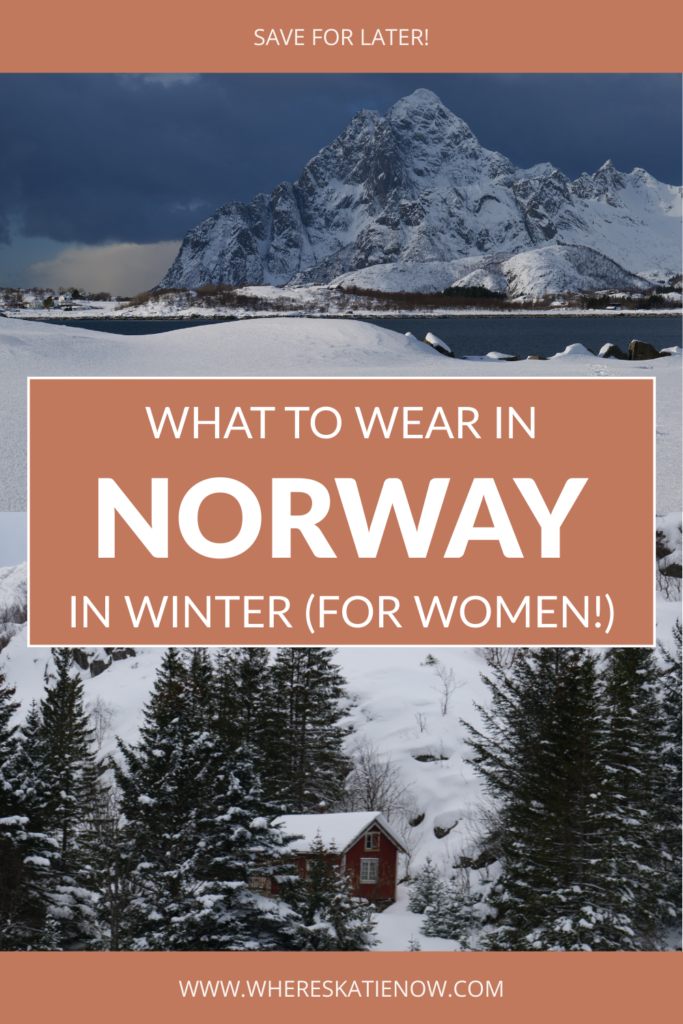
Pin Me For Later!


Share This Guide to What to Wear in Norway in Winter:


One Comment