
How to Get Around Iceland Without A Car (Winter Edition)
You absolutely can experience the best of Iceland in winter without driving – so I’m going to show you exactly how to get around Iceland without a car without feeling restricted, rushed or like you’ve missed out on all the prettiest places!
I mean, winter travel in Iceland can sound intimidating, right?
Especially when every forum seems to suggest that renting a car is the only way to do it properly.
But I spent five days in Iceland as a solo female traveller in January, exploring the Golden Circle, South Coast, Blue Lagoon and even the Snaefellsnes Peninsula – all without a car.
And honestly? It ended up being one of the most magical trips I’ve ever taken!
This guide is for you if you want to experience the best of Iceland in winter, without the anxiety of driving yourself.
I’ll share every realistic transport option, what actually works in winter (and what doesn’t), and how to build a genuinely unforgettable, car-free itinerary – without compromise!
Disclaimer: Some of the links on this blog are affiliate links. That means if you click on one and make a purchase, I may earn a small commission – at no extra cost to you. I only recommend products, places and services I genuinely love and use on my own solo travels. Thank you for supporting my adventures so I can continue to provide free content on this blog! 💛
What Winter Travel in Iceland Is Really Like
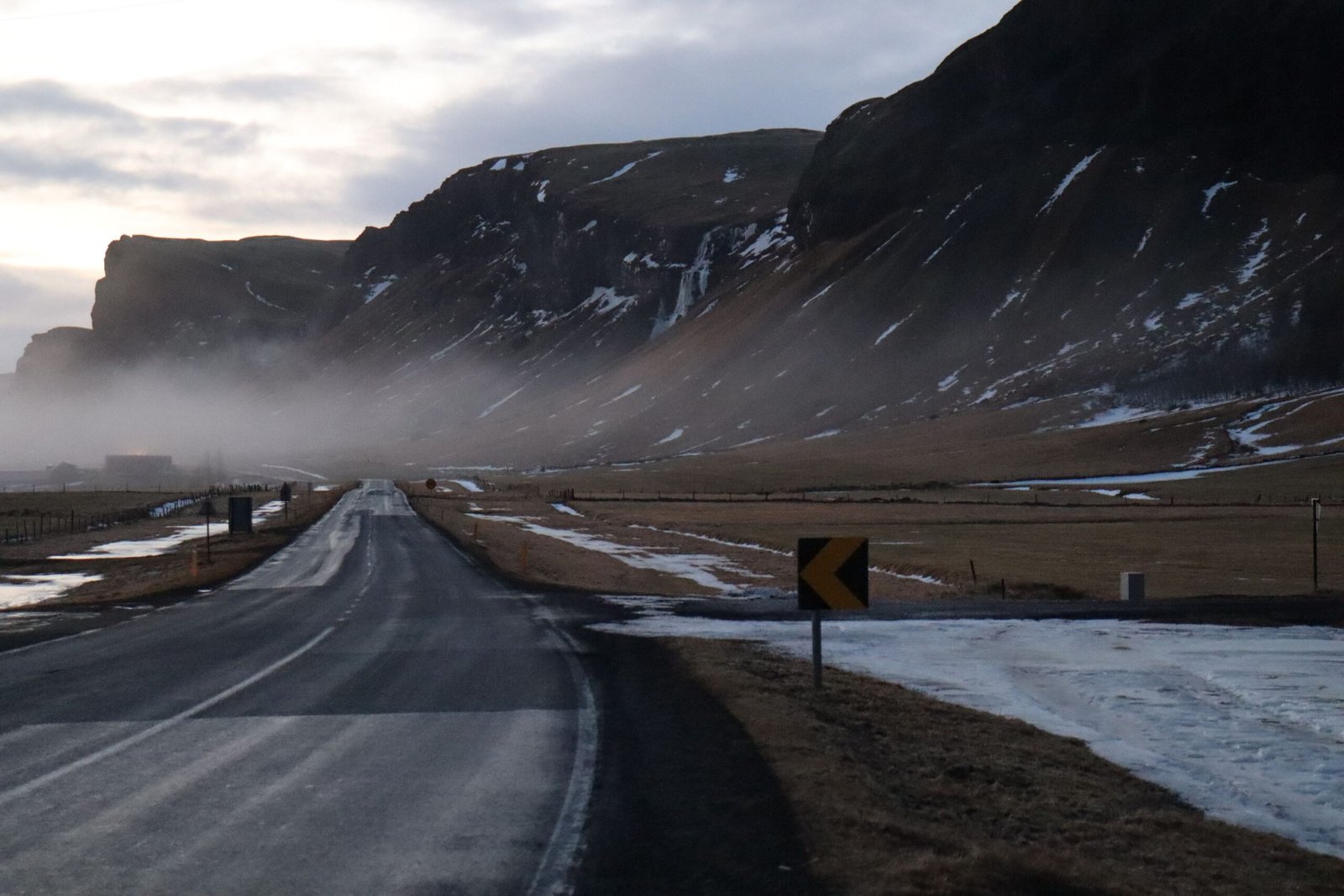
Winter in Iceland is magical, but completely different to summer.
From November to March, daylight hours are short (in the darkest months, December and January, you only have around 4 or 5 hours of usable light), the weather is unpredictable, and ice and snow on the ground are common.
And that is why getting around Iceland in winter feels so different to those dreamy summer road trips you’ve seen all over Instagram and Pinterest!
In summer, driving gives you flexibility and the ability to really make the most of those long, endless days under the Midnight Sun.
But in winter, driving means constantly checking road alerts, studying weather forecasts, navigating snow and ice, and stressing about conditions you just can’t control.
That’s why I recommend visiting Iceland without a car in the winter months, to make your trip calmer, safer and a whole lot more relaxing!
But how? Let me tell you!
Does Iceland Have Public Transport?
Technically, yes, but it’s very limited – especially once you leave Reykjavik.
Iceland doesn’t have any trains and instead relies on a small network of regional buses and also regional flights to connect towns and villages around the country.
Because of this, public transport in Iceland is designed mainly for locals, not sightseeing, and won’t take you to most of the prettiest places in Iceland that you likely have on your bucket list.
Regional Buses
There are regional buses (run by Strætó) that connect Reykjavik with some towns and villages in Iceland. But in winter, they’re limited, infrequent and affected by the weather.
In the peak winter season, it is very common for these services to be reduced, delayed or even cancelled due to storms, ice or road closures.
This makes getting around Iceland in winter reliably by bus very difficult.
There are a few popular routes used by some tourists in Iceland:
- Reykjavik to Keflavik airport (45 minutes)
- Reykjavik to Akureyri (6 hours)
- Reykjavik to Vik (2.5-4 hours)
However, all of these routes (except the airport link) are a lot less frequent and less reliable during the winter months.
Regional Flights
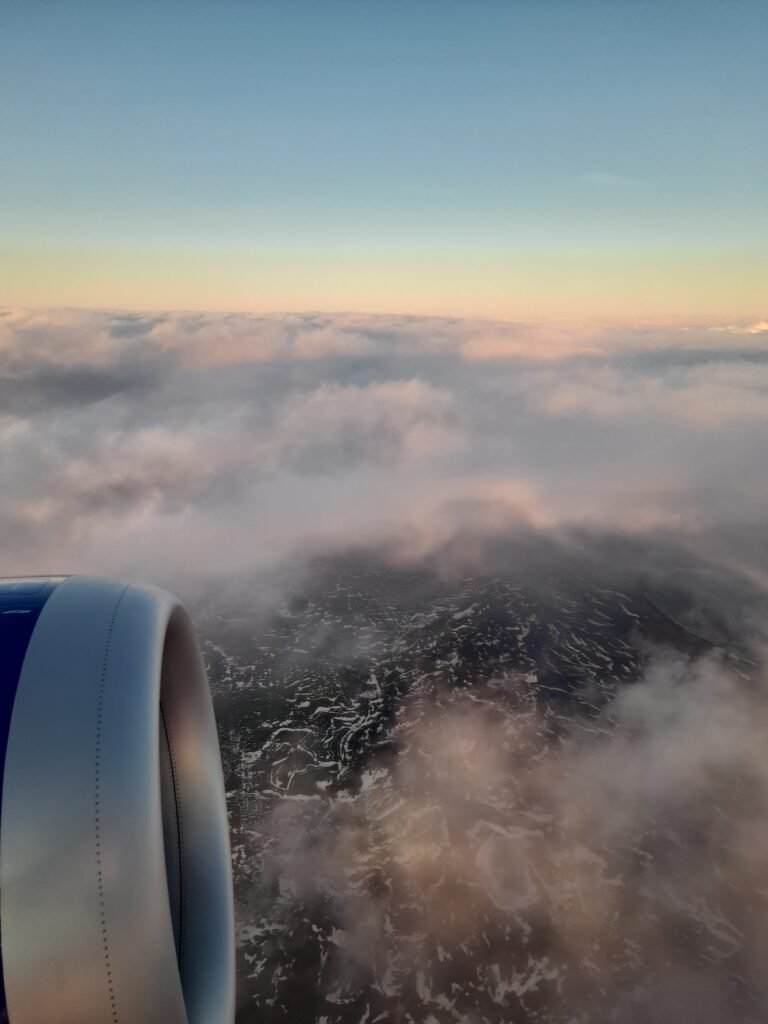
Icelandair runs a number of daily regional flights within Iceland from Reykjavik Domestic Airport. These go to:
- Akureyri, North Iceland (45 minutes)
- Ísafjörður, Westfjords (40 minutes)
- Egilsstaðir, East Iceland (1 hour)
In winter, when road conditions change quickly, flying often cuts travel time.
For example, Reykjavik to Akureyri takes around 45 minutes by plane vs 6 hours by road.
However, flying isn’t the most flexible option for sightseeing.
These internal routes are an efficient way to get you into a region, but you’ll still need to get around once you arrive, either by bus or guided tours (more on this in a bit!)
By far the most popular internal flight route in Iceland is to Akureyri from Reykjavik, if you want to experience life in north Iceland during your trip.
Is Uber Available in Iceland? (Taxis)
No, there is no Uber or any other ride-share options (like Lyft) in Iceland, as there are strict taxi regulations in place throughout the country.
There are taxis (mainly in and around Reykjavik), but they are very expensive, so I would recommend using them sparingly throughout your trip – for short distances only.
Think scenarios like airport transfers if you have a lot of luggage, or getting back to your hotel at night if you’re not comfortable walking back.
For my trip to Iceland in January, I didn’t use taxis at all.
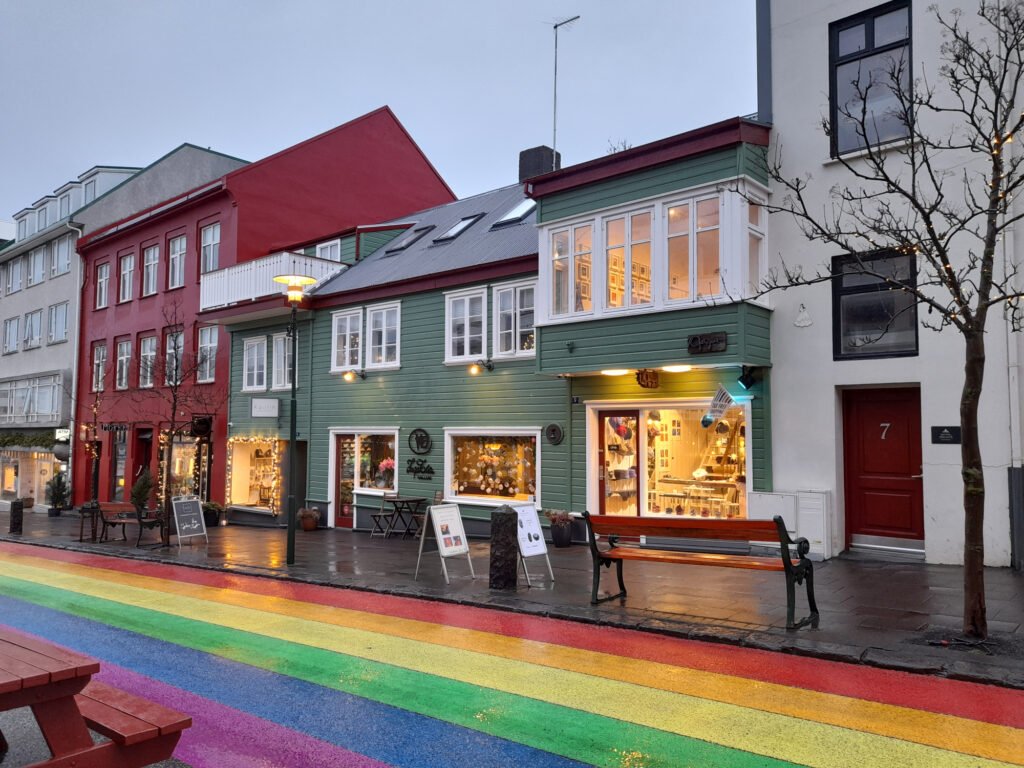
Getting Around Reykjavik Without a Car
If you base yourself in Reykjavik, there’s good news: your life will be significantly easier!
The city centre is compact, very walkable – and, most importantly for solo travellers, feels very safe to walk around (even at night!)
I personally walked back alone at 3am through central Reykjavik after a Northern Lights tour and felt totally comfortable and safe.
Plus, most tours and airport transfers pick up and drop off directly from bus stops around Reykjavik city centre, and city buses reliably connect major attractions.
During my trip in January, I walked most places, used city buses when I needed to, and then relied on guided tours for day trips to Iceland’s biggest highlights.
Katie’s Top Tip: Choose accommodation in central Reykjavik. It makes early mornings, winter weather and logistics so much easier, especially as a solo traveller!
Reykjavik City Buses
Reykjavik’s city buses are run by Strætó, and they’re reliable, clean and safe, connecting all major attractions in the city.
The most popular routes for tourists are:
- Route 1 & 14 for Hallgrímskirkja Church
- Route 3 & 12 for the Harpa Concert Hall and the Sun Voyager sculpture
- Route 5 & 18 for the Perlan Museum
You can easily plan your journey and buy tickets on the Strætó app on your phone, then simply scan your ticket on board the bus. This is the easiest option.
Alternatively, you can buy a disposable travel card for either 24 hours or 72 hours.
If you’re planning to visit attractions in Reykjavik, like the National Gallery, Reykjavik Zoo or the National Museum of Iceland, as well as using the buses, it will be worth buying the Reykjavik City Pass instead, to save yourself money.
The Reykjavik Card gives you 24, 48 or 72 hours of unlimited bus travel, plus free entry to major attractions and discounts at restaurants and shops.
In winter, the buses are useful, especially if it’s icy or rainy, or if you want to visit attractions that are further out of the city centre, like Perlan or the Reykjavik zoo.
Katie’s Top Tip: Download the Strætó app before you arrive. Even if you don’t use it much, having real-time routes and schedules on your phone gives you flexibility and allows you to plan quickly.

Is Reykjavik City Centre Walkable?
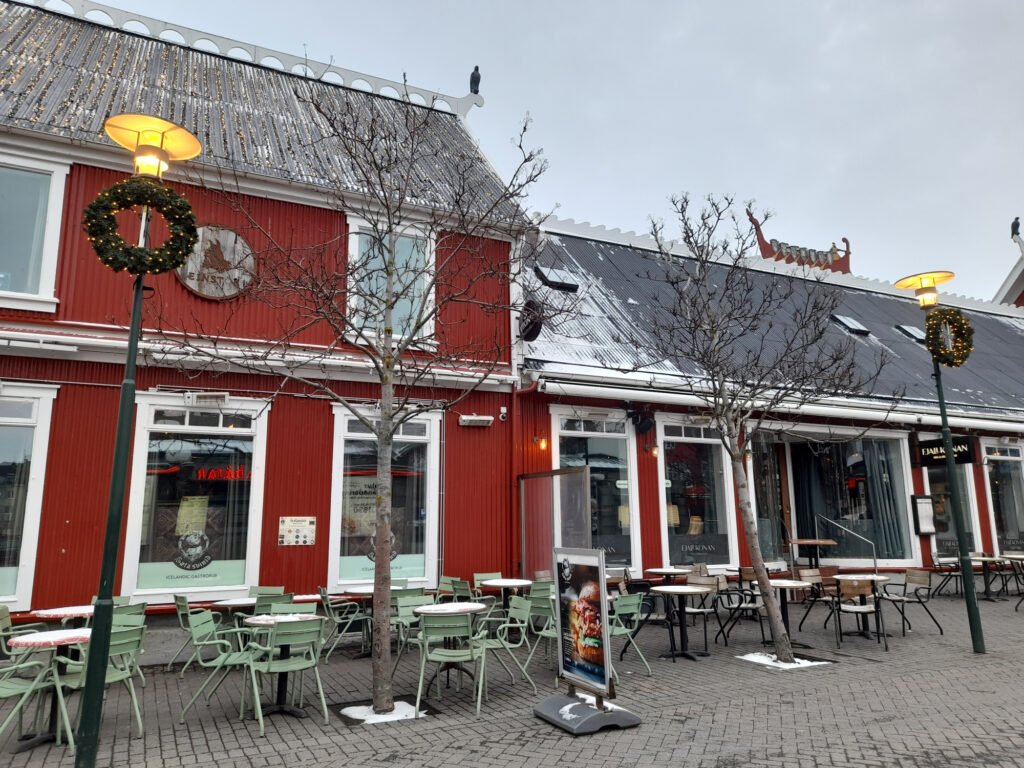
Yes! Downtown Reykjavik is compact, flat and very easy to navigate, making it a very walkable city, even in winter.
Most cafés, shops, restaurants, attractions, and tour pickup points are located close together, around the central streets of Laekjargata and Hverfisgata.
This is perfect when daylight hours are short and the weather is notoriously unpredictable!
As a solo traveller, I also loved walking around Reykjavik. Despite being Iceland’s capital city, it really doesn’t feel overwhelming or busy at all. But equally, I never felt isolated.
I ended up walking everywhere on my trip in January, only using the public bus service once.
Just make sure you pack shoes with a good grip, as while the main streets are very well cleared and ice-free in winter, there were some areas where it was a little more slippy.
Katie’s Top Tip: For a stress-free trip, book a hotel in downtown Reykjavik, so you’re close to restaurants, shops, attractions, airport bus stops and tour pickup points. This made such a huge difference to how much I enjoyed my trip in winter!
Airport Transfers in Iceland
Keflavik is Iceland’s main international airport, located around 30 miles from Reykjavik (or around 45 minutes’ drive). Here are your options to get between the two without a car:
Flybus Airport Bus
The Flybus is the most popular and most affordable way to get from Keflavik Airport to Reykjavik, as it’s straightforward, reliable, and designed for tourists.
After leaving the airport, walk straight outside to the Flybus stop (directly outside the terminal building), hop on, and the bus takes you to Reykjavik bus terminal in 45 minutes.
Buses leave Keflavik around 40 minutes after each flight arrives, and I recommend booking your ticket in advance to speed up your experience.
From the bus terminal, you can either end your journey there and make your own way or, do as I did, and add on a hotel drop-off at one of the bus stops around the city centre.
For the hotel drop-off option, you change buses to a minibus and then continue into the city centre, which adds around 15-30 minutes journey time.
I personally got dropped off at Bus Stop #1 (City Hall), close to my hotel: Center Hotels Plaza.
The other Reykjavik bus stops are:
- Bus stop #1: City Hall
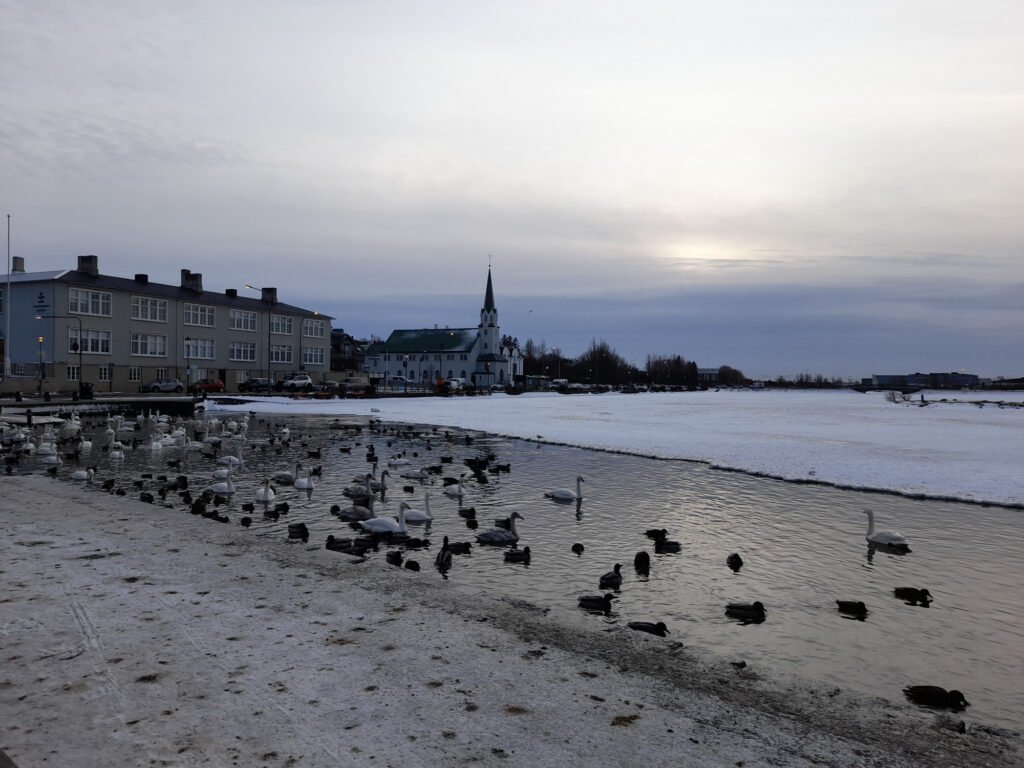
- Bus Stop #2: Tjörnin Lake
- Bus Stop #3: Laekjargata
- Bus stop #4: Miðbakki
- Bus stop #5: Harpa
- Bus Stop #6: The Culture House
- Bus Stop #8: Hallgrímskirkja
- Bus Stop #9: Snorrabraut
- Bus stop #11: Austurbaer
- Bus Stop #12: Höfðatorg
- Bus Stop #13: Rauðarárstígur
- Bus Stop #14: Skúlagata
- Bus Stop #15: Vesturbugt
- Bus Stop #16: Fellsmúli
- Bus Stop #17: Grandagarður
And there are also direct drop-offs to hotels if they are slightly outside the city centre.
From the airport to my hotel, the whole journey took just over an hour and was stress-free and very straightforward.
You can also book the Flybus for your return journey and get picked up from the same bus stop if you choose “hotel pick-up”, or make your own way back to the bus terminal.
Katie’s Top Tip: Pay the small extra fee to be dropped off at the city bus stop closest to your accommodation. After a flight (especially in winter), being dropped off just a few steps from your hotel is 100% worth it!
Keflavik to Reykjavik via the Blue Lagoon
If the Blue Lagoon is on your Iceland bucket list, you can actually combine it with your airport transfer!
There is a bus service by Destination Blue Lagoon that runs from Keflavik Airport to the Blue Lagoon, and then to Reykjavik (or the other way around if you’re visiting on departure day).
In Reykjavik, you can choose to be picked up at 1 of 5 central bus stops:
- Bus Stop #3: Laekjargata
- Bus stop #5: Harpa
- Bus Stop #6: The Culture House
- Bus stop #11: Austurbaer
- Reykjavik Bus Terminal
The Blue Lagoon is only about a 20-minute drive from the airport, or 45 minutes from Reykjavik.
And once you’re there, lockers and luggage storage are available, so you don’t need to worry about hauling bags around.
It’s a really nice and relaxing way to start or end your trip to Iceland!
Katie’s Top Tip: You’ll also need to prebook your Blue Lagoon entry separately, as it’s not included in the bus ticket.
Private Transfer (Door-to-Door)
If you want the smoothest possible arrival or departure, a private transfer is the most stress-free way to travel between Keflavik and Reykjavik.
You’ll be met at the airport, driven directly to your hotel, and you don’t need to think about schedules, which bus stop to get off at, or changing buses!
This is an especially good option if you are coming off a long flight, arriving in the dark or have lots of luggage.
Private transfers can also be booked with a stop at the Blue Lagoon, including waiting time.
Can You Take a Taxi from Keflavík Airport?
Yes, there are taxis waiting at Keflavik Airport,
However, I generally wouldn’t recommend it, as taxis are by far the most expensive way to get to Reykjavik from Keflavik airport.
If you want the peace of mind and convenience of a door-to-door service, I would recommend booking a private transfer, as you’ll know the price and exactly what to expect in advance.
Katie’s Top Tip: Skip airport taxis unless you’re truly stuck with no other option. Prebooking a private transfer gives you a set price (not a meter) and the added luxury of being met at arrivals.
Guided Tours: The Easiest Way to Explore Iceland Without a Car
Once I was actually in Reykjavik, guided tours were how I explored Iceland, and honestly, they’re the reason getting around Iceland in winter without a car feels so doable!
Most tours pick up from central meeting points around Reykjavik city centre, usually from one (or more) of the designated bus stops we’ve already talked about.
So, before you book a hotel, check the tours you want to do and their pickup points.
Because staying centrally makes everything so much easier, even late at night.
I walked back through central Reykjavik at 3am after a Northern Lights tour and felt very safe as a solo female (which is not something I’ve ever said before!)
The city centre is quiet and well-lit, but also never feels totally isolated, thanks to tours always coming and going.
Plus, joining tours removes the stress of winter driving, constantly checking the weather and route planning – while still taking you to the most beautiful places to visit in Iceland!
These are all of the guided tours I joined in Iceland in winter:
Golden Circle + Blue Lagoon Small Group Tour
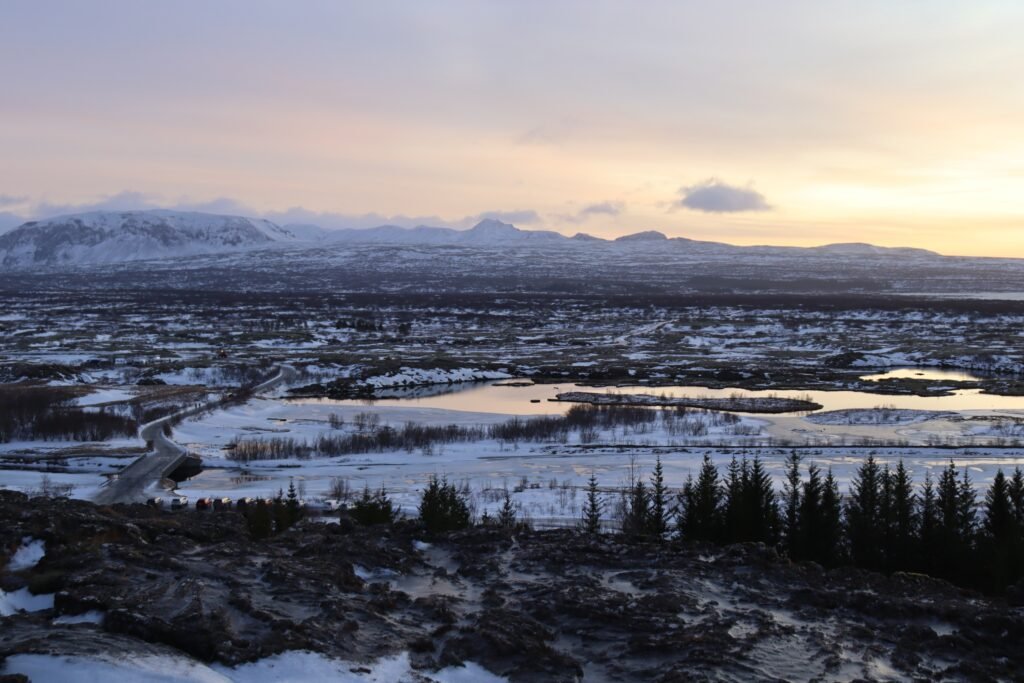
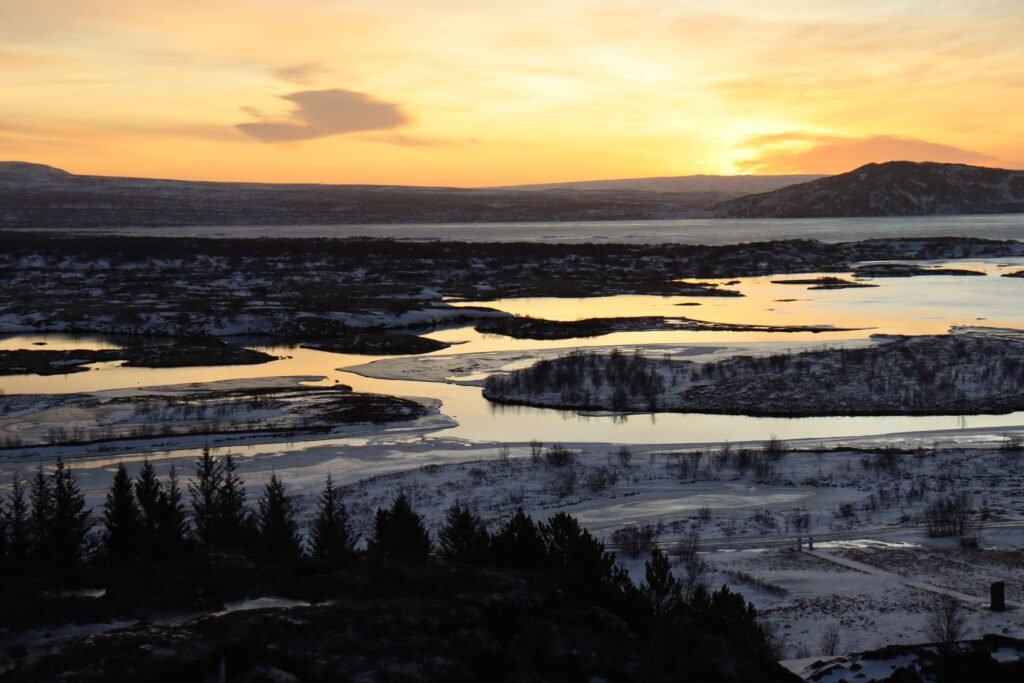
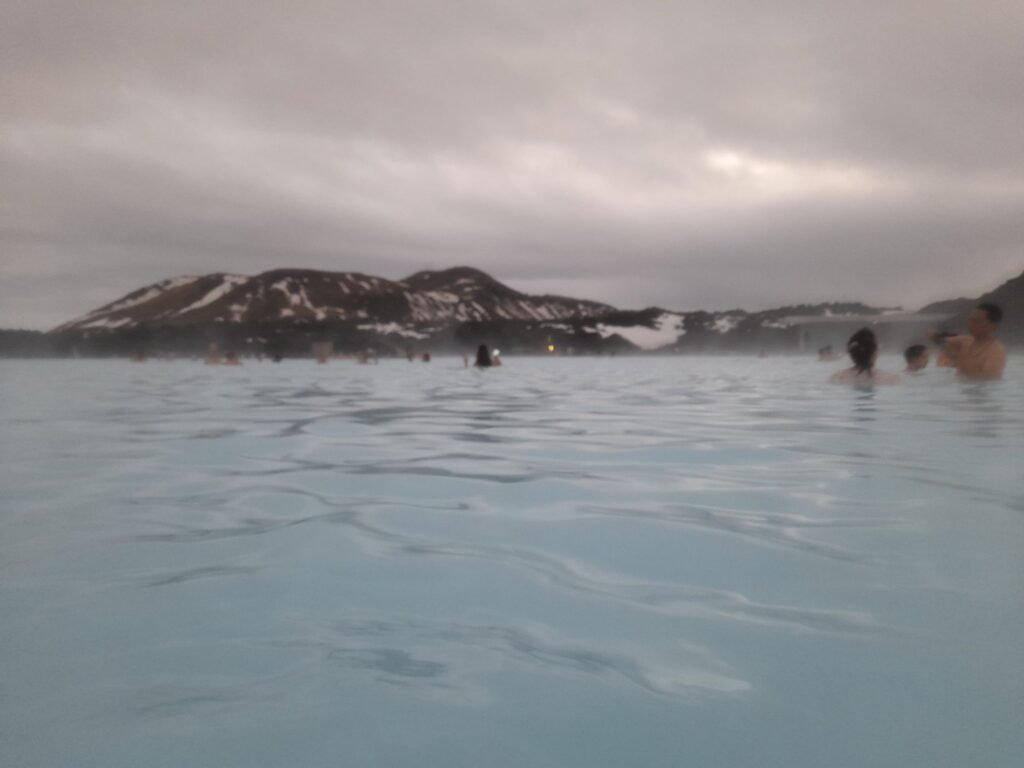
On this tour, I visited Thingvellir National Park, Gullfoss waterfall, the Geysir geothermal area (including the famous Strokkur geyser!), Kerið crater, and finished with a relaxing soak in the Blue Lagoon.
I especially loved the pace of this tour, as none of the stops felt rushed (which is so rare for such a jam-packed itinerary!)
Plus, the guide was so interesting to listen to, and the small group setup made the whole experience feel relaxed rather than overwhelming, like the big bus tours can often feel.
You can book pick-up directly from your hotel or from one of the Reykjavik bus stops.
Iceland South Coast Small Group Tour

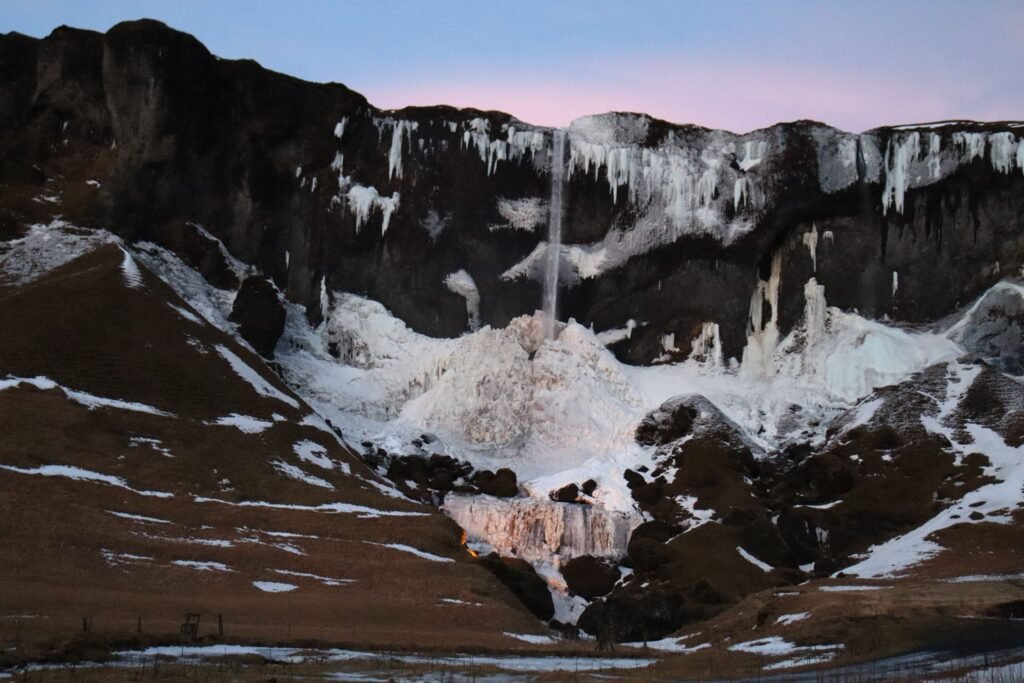
On the South Coast tour, I visited Skógafoss and Seljalandsfoss waterfalls, the famous Reynisfjara black sand beach, and the village of Vík (with its beautiful church viewpoint).
And let me tell you, all of these spots are SO worth visiting, especially in winter when moody skies and dusted snow make the scenery look almost cinematic!
Again, the small group vibe made a huge difference to how much I enjoyed this tour.
We had plenty of time at each stop to actually enjoy it and take photos at our own pace, rather than rushing from stop to stop like on some other tours I’ve experienced.
Plus, the amazing guide shared stories and facts about Iceland’s geology throughout the journey (without overwhelming us with information overload!)
Pick-up/drop-off was from your choice of one of the central Reykjavik bus stops.
Jökulsárlón Glacier Lagoon & Diamond Beach
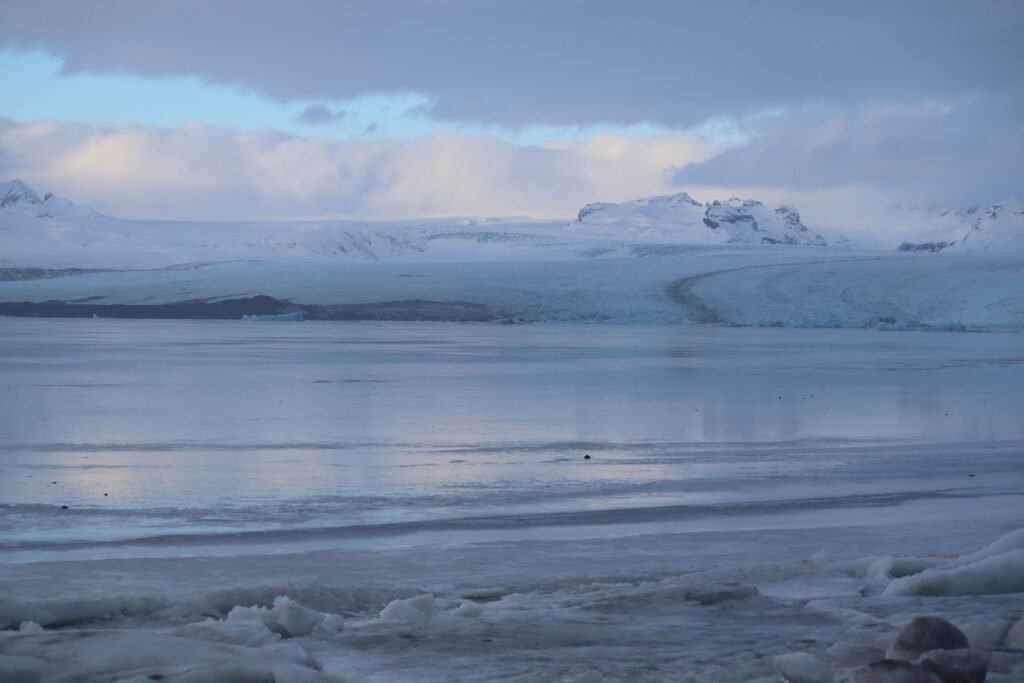
This is the longest tour I did (around 14 hours!), but it was also my most memorable.
We left Reykjavik around 7am and returned late evening, but seeing the Jökulsárlón Glacier Lagoon under the blue winter light, with floating icebergs and adorable seals, made every second of the long journey time worth it for me!
Along the way, we also stopped at Skógafoss and Seljalandsfoss waterfalls again, which was a beautiful way to break up the journey.
And there was also a stop to walk along the famous Diamond Beach, where fragments of ice wash up on the black sand from the glacier lagoon and sparkle like… diamonds!
Pickup and drop-off were again from your hotel or central bus stops in Reykjavik.
Snaefellsnes Peninsula & Kirkjufell Small Group Tour
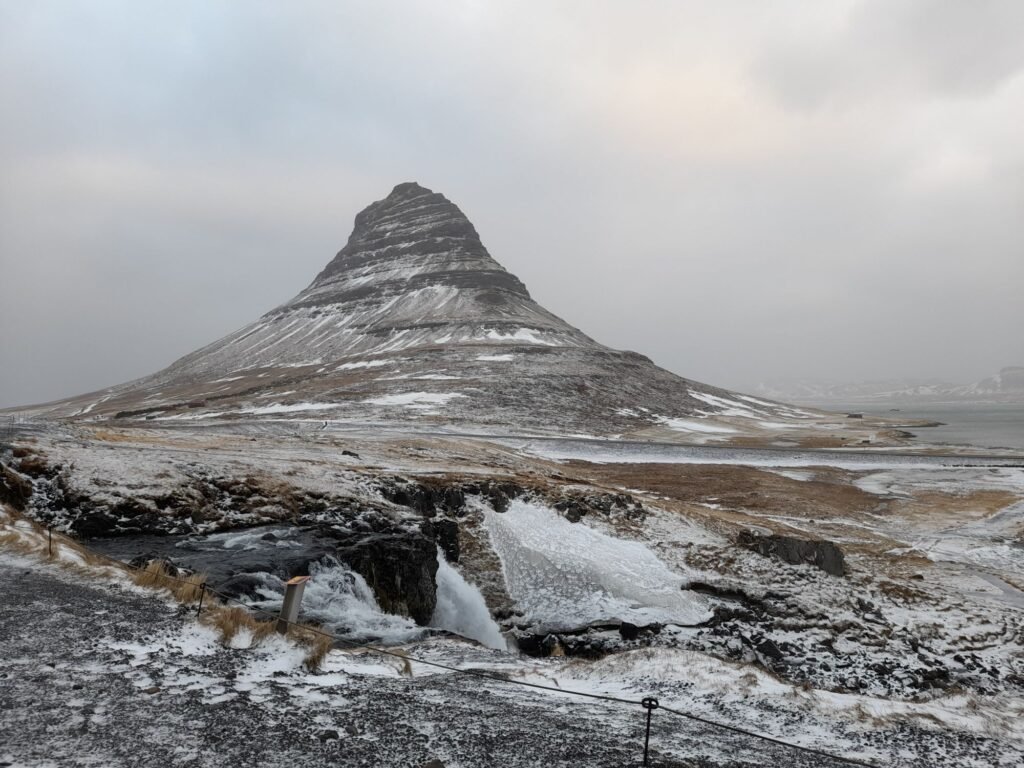
The Snaefellsnes Peninsula felt like seeing different versions of Iceland in one day, which is probably why it’s known as “Iceland in miniature.”
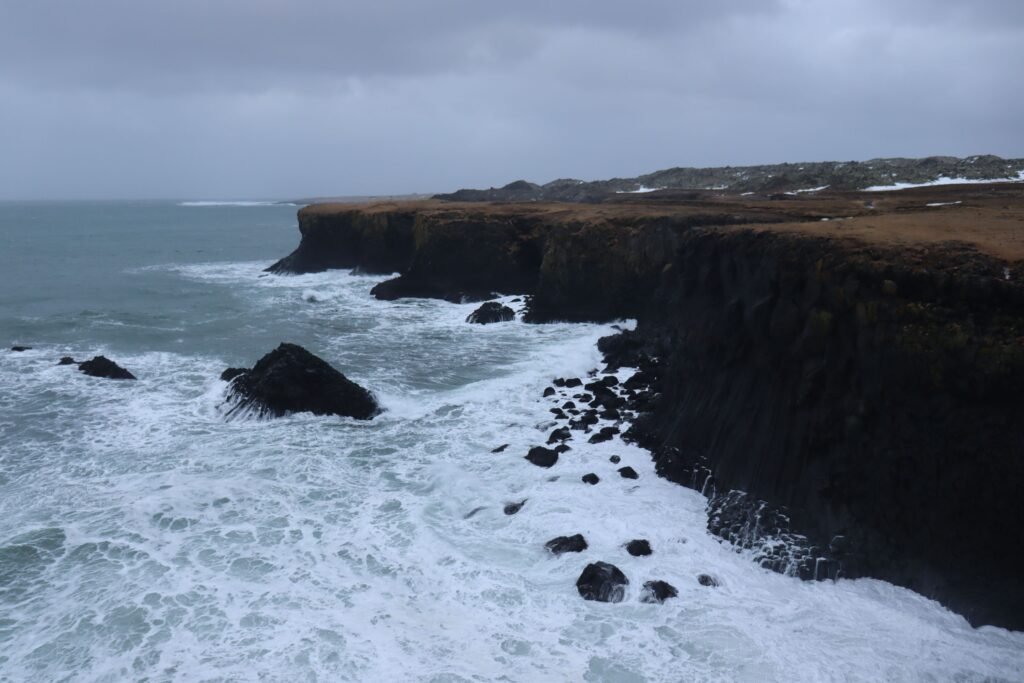
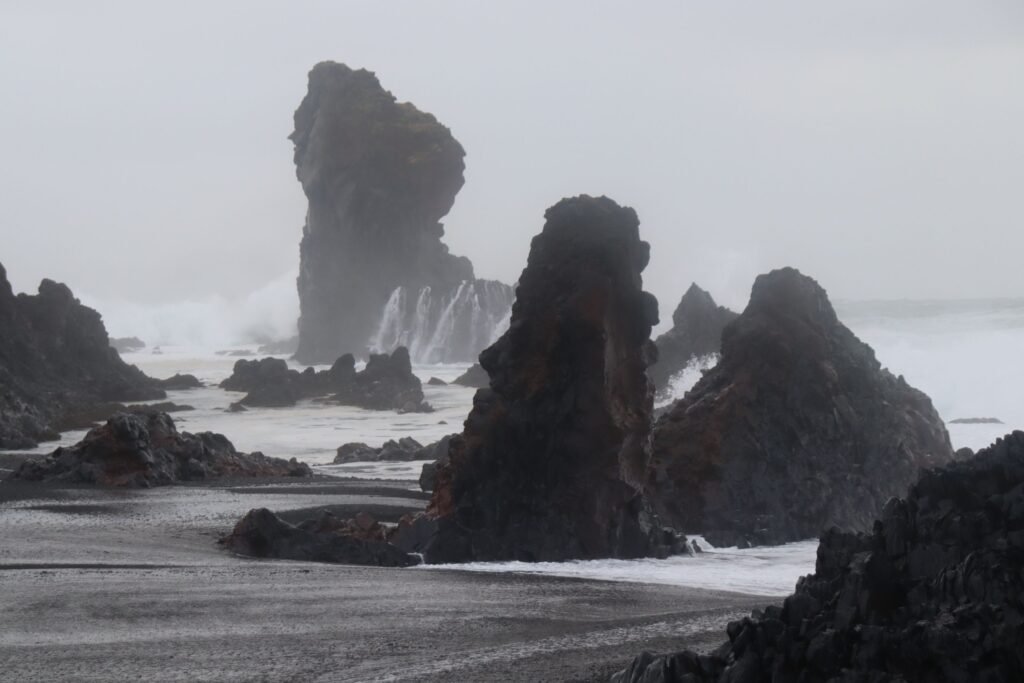
My tour visited Kirkjufell (the famous Game of Thrones mountain) and its twin waterfalls, Djúpalónssandur black sand beach (with its seriously impressive lava formations), and the dramatic Arnarstapi cliffs, where the waves pounded against the black rock!
Like the other tours, the small group size made it feel personal and not at all overwhelming or like we were rushing from stop to stop. And the guide on this tour was amazing!
Pickup and drop-off were again from the central Reykjavik bus stops, which at this point in my trip felt totally second nature!
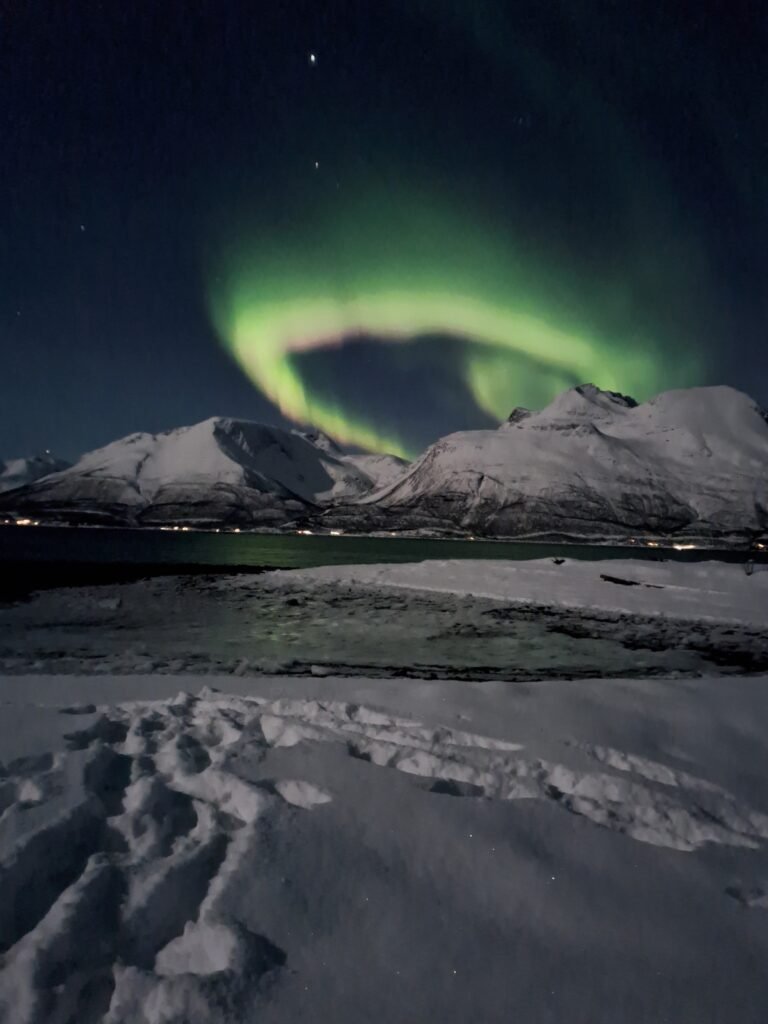
Northern Lights Small Group Tour
My original Northern Lights tour no longer runs, but I recommend this similar small group tour that even offers a totally free retry if you don’t see the lights (this is so important as they can never be guaranteed!)
What I love about every small group Northern Lights tour I’ve been on, in both Iceland and Norway, is the atmosphere.
It always feels like you’re on an adventure with friends rather than an impersonal bus tour, as you’re all there with the hope of achieving one goal – seeing the famous aurora.
Plus, this tour also includes hot drinks and snacks, a guide expert in chasing the Northern Lights and, a real must as a solo traveller, free professional portraits of you!
Pickup and drop-off are from central Reykjavik bus stops. And while that might sound stressful at night, it really wasn’t.
My tour came back at 3am, and I had a 1-minute walk alone through central Reykjavik to get back to my hotel. I thought I’d hate it, but I actually never felt uncomfortable or unsafe for a second, and there were still people around, coming back from other tours.
Single-Day Tours vs Multi-Day Tours: Which Is Better?
Single-Day Tours
On my January trip, I joined all single-day tours from Reykjavik and, as you can probably tell from the previous sections, I completely loved all of them!
Each morning, I got picked up in Reykjavik for another adventure into Iceland’s dramatic countryside and best natural attractions, before being dropped safely back in the evening.
It’s a perfect way of getting around Iceland in winter without committing to one long itinerary or having to drive yourself!
You get flexibility, the option to build in rest days or city days if you wish, and the freedom to choose exactly which regions you want to see.
However, I’m going to be 100% honest here: it is full-on.
I only had 5 days in Iceland, and I knew I had 4 jam-packed tours I wanted to do to explore the best of Iceland, leaving only one rest day exploring Reykjavik.
Don’t get me wrong, I loved it and actually would do it again, but the back-and-forth to Reykjavik each day does add up.
So, what’s the solution if you’re visiting Iceland without a car?
Multi-Day Tours
If I were booking my trip again, I’d choose this 8-day winter Ring Road tour instead.
I’d actually never heard of it before my trip, but these multi-day tours loop the entire country, meaning no repeated drives and no planning your own itinerary!
Plus, you get to visit all of the spectacular places I’ve mentioned in this guide AND so much more, including the beautiful Westfjords and north to Akureyri.
Accommodation, transport and most of the bucket-list experiences on the tour (including a glacier hike, a visit to an ice cave and whale watching) are also included.
So yep, you literally have zero logistical planning to think about during your trip!
And for solo travellers, multi-day tours are especially amazing.
You’re never lonely, but you’re never forced to socialise either. And you also get the safety of a group, travel with the same guide, and can just sit back and enjoy the trip, knowing someone else has thought through all the logistics for you!
Knowing everything I know now, I would definitely book this Iceland Ring Road tour instead of doing day trips next time I visit Iceland.
Katie’s Top Tip: If you want flexibility and city downtime, single-day tours are perfect. If you want the most seamless, efficient way to see Iceland without a car, a small-group Ring Road tour is for sure the easiest option!
So, is Travelling Iceland Without a Car Right for You?
You’re probably asking how to get around Iceland without a car because driving feels intimidating, stressful and just not enjoyable in winter, right?
Because yep, I felt exactly the same when I started planning my first 5 days in Iceland!
But I quickly learnt that travelling Iceland without a car isn’t a compromise, just a different way to experience this beautiful country.
And while you can use regional buses and flights to get around, I recommend joining small group tours to see the prettiest places in Iceland without a car, whilst your expert guide handles all of the logistics for you!
FAQs: Getting Around Iceland
How do you get around in Iceland in winter without driving?
In winter, the most reliable way of getting around Iceland without a car is by using guided day tours or multi-day tours that depart from Reykjavik. These run year-round, are adapted to winter conditions, and are planned around daylight, weather and road safety.
Regional buses exist, but they’re limited outside Reykjavik and not designed for sightseeing – especially in winter when the timetables are reduced.
Using tours during my winter trip in January, I still saw all the places I’d dreamed of – I just didn’t have to drive myself through snowstorms to get there!
Is public transport reliable in Iceland in winter?
Reykjavik has a reliable city bus system to get around. However, outside of the city, Iceland by public transport is not a realistic way to explore in winter.
In winter, timetables are reduced, buses run infrequently, and winter weather can cause cancellations or long delays with little notice.
Can you see the Northern Lights in Iceland without a car?
Yes, seeing the Northern Lights without a car is completely doable and incredibly common, and I’d actually even argue that it’s better too!
Northern Lights tours pick you up from central Reykjavik, and you travel with an expert who tracks the real-time aurora forecasts and drives you far away from the light pollution safely.
What I loved most was not having to think about road conditions, visibility or where to park at 2am in the freezing cold! The guides know exactly where to go, adjust plans based on cloud cover, and many tours even offer free retries if you don’t see anything the first night!
Is there a difference in the cost of visiting Iceland without a car vs renting one?
To compare how to get around Iceland without a car vs renting one, the real difference isn’t just the main price, but hidden costs and also stress (and the impact of that stress on your trip).
Renting a car in winter means paying for the car hire, insurance (non-negotiable), fuel and parking (difficult in Reykjavik if your hotel doesn’t include it). Plus, there is also the mental cost of driving in snow, ice, wind and darkness – especially if you’re not used to winter driving.
On the other hand, travelling with tours looks expensive upfront, but it’s often better value – especially if you book a multi-day tour that includes your transport, entrance tickets and even accommodation! Plus, you have the invaluable peace of mind knowing that an expert is driving and taking care of all the logistics for you.
I visited Iceland in winter purely relying on small group tours, and I absolutely have no regrets!
Read More About Travel in Iceland:
- How to Get Around Iceland Without A Car (Winter Edition)
- The ULTIMATE Iceland Winter Packing List For Women (2026)
- Visiting Iceland in January: Must-See Sights, Weather & Tips
- Where To Stay in Reykjavik (For First Time Solo Travellers)
- Norway vs Iceland in Winter: Ultimate Solo Travel Comparison
- The Ultimate Iceland Solo Female Travel Guide (For 2026!)
- Iceland’s Snaefellsnes Peninsula in Winter (Without a Car!)
- How to Visit Iceland’s South Coast in Winter (Without a Car)
- 7 Unmissable Day Trips From Reykjavik in Winter (No Car!)
- How to See Iceland’s Golden Circle in Winter (Without a Car)
- Iceland’s Blue Lagoon in Winter: What to Expect (and Pack!)
- 15 Iceland Travel Tips for Winter You’ll Be Glad You Know
- How Many Days Do You Need in Iceland in Winter?
- How to Spend 5 Days in Iceland in Winter (Without A Car!)
- 19 Prettiest Places in Iceland Every Traveller Must See
- Is Iceland Worth Visiting in Winter? What You Must Know
- Is Iceland Safe For Solo Female Travellers? An Honest Guide
Grab Your Iceland in Winter Packing List:
Pin Me For Later!


5 Comments