

Is It Dangerous to Travel Alone as a Woman? Data vs Reality
So it’s midnight, and you’re deep in a Google rabbit hole after yet another solo travel horror story video showed up on your feed.
You know the ones!
The true-crime-esque TikToks that I know I really shouldn’t watch, but somehow always do.
Then, right on cue, my anxiety jumps up and down, going: “See? Look? This is exactly why we shouldn’t go to Norway – even though you’ve already booked and paid for the whole trip!”
And I’m not saying any of this to minimise the importance of safety, by the way. As women travelling alone, we absolutely have to think about it.
But there’s a difference between being sensible and letting fear (or a scary headline) make the decision for you.
So let’s get you a straight answer instead!
Because solo travel carries a lot of the same risks as everyday life, and the data backs that up more than the headlines suggest.
I’ve solo travelled to 24 countries (and counting), with my anxiety along for the ride, and I truly believe that preparation, not luck, is what’s kept me safe.
This post is also a podcast episode! So if you’d rather listen than read, hit play below. It’s also on Apple Podcasts, Amazon Music and YouTube if you prefer those.
Katie’s TL;DR
The risk of solo female travel isn’t zero (let’s be real, nothing is), but it is lower and more manageable than the fear (or the clickbait) makes it feel.
What actually matters isn’t being a woman or being alone. It’s preparation and awareness. “Less than half of women feel confident travelling solo or with other women”, according to The Safer Tourism Foundation’s She Travels Safe campaign – so if you’re nervous right now, you’re already in the majority, not the minority.
Ready to stop researching and start planning? My free email course, 7 Days To Your First Solo Trip (Even If You’re Anxious), breaks your first trip into one small, manageable step a day.
What the Data Actually Says About Solo Female Travel Safety
Let’s start with the actual numbers.
Here is the data we’re going to look at throughout this post:
“Nearly one in four women (23%) experience unwanted attention or harassment while traveling, compared to 15% of men,” according to The Safer Tourism Foundation’s She Travels Safe campaign.
That’s a real (honestly sad) gap that I think deserves to be named instead of brushed past.
But the same research also found that “Two in three women say safety plays a big role in choosing their destination, and nearly two-thirds prioritise safety when choosing accommodation.”
Which tells us something important: a lot of women aren’t actively avoiding travel. Instead, a lot of us are just planning it differently, with safety in mind.
Which is backed up by this stat: “Three in four women avoid walking back to their accommodation alone at night, compared to just 43% of men,” per The Safer Tourism Foundation.
(More on exactly why later on, because I have a whole method built around this one!)
And finally, there’s also a key stat that sounds alarming at first, and that I know for a fact has had a lot of clickbait surrounding it recently:
“A 60 percent rise in reports of sexual harassment and assault in global traveller incident data in 2024,” again from The Safer Tourism Foundation.
But context also matters here.
And the Foundation says so itself: “That figure is, in part, a reflection of progress. More travel providers are making it easier for travellers to report incidents when they occur, and more people are feeling confident enough to do so.”
So it’s not necessarily that solo travel suddenly got more dangerous in 2024 and beyond. But instead that, as women, we finally felt safe enough to speak up when something happened.
Which is a genuinely a really good thing.
Why Statistics Don’t Tell the Whole Story
So now we know the key stats surrounding solo travel safety; here’s the thing about risk:
It depends far more on your destination, your behaviour and your preparation than it does on the simple fact you’re travelling alone, or even that you’re a woman travelling alone.
Fear has a habit of getting this backwards, though.
Because it likes to fixate on the dramatic worst-case scenario headlines, while quietly ignoring the everyday risks that are actually far more likely to affect your trip, like missing a bus or getting food poisoning.
And it’s also worth remembering that a lot of this isn’t unique to travel at all.
“Globally, four in five women have experienced harassment in the street,” say Stand Up International.
But that’s not a solo travel statistic – just being a woman, at home or away.
And that’s the gap this entire post is about: the space between how dangerous solo travel feels and how dangerous it actually is.
And closing that gap isn’t about waiting for the fear to disappear, but about understanding what’s genuinely within your control – and what isn’t.
Katie’s Note: Don’t get me wrong. Nothing in this post is meant to minimise safety concerns in any way. It is genuinely awful that I even have to write a post like this. But the underlying point is that a lot of safety fears are not unique to solo travel.
My Honest Safety Experience Travelling Solo To 24 Countries
I won’t pretend nothing’s ever gone wrong for me on the road.
Because that wouldn’t be honest and, literally, honesty is the whole point of having this (super important) conversation!
I’ve had plenty of times where I’ve changed my plans on the spot because something felt off.
And I also have a few non-negotiable rules for myself now, built from (hard) experience.
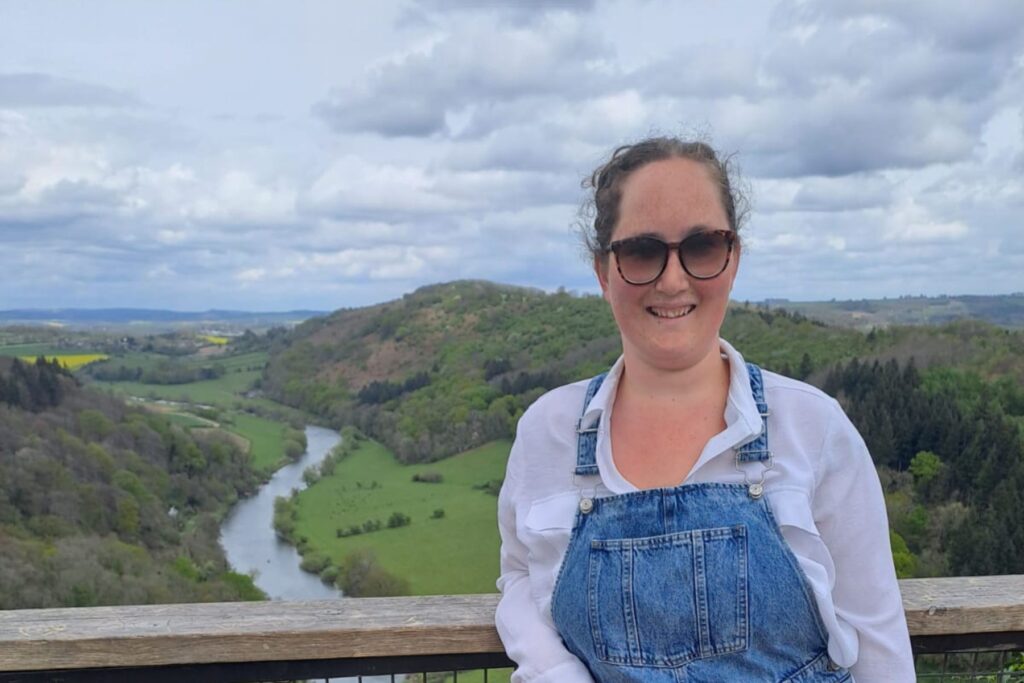
One of those moments was in Zadar, Croatia.
I’d just arrived at the bus station, exhausted, and decided to grab a taxi from the rank outside because I’d forgotten to book one in advance like I normally would.
“You are at your most vulnerable when you first arrive in a foreign country as you are likely to be tired and unsure of your surroundings,” says GOV.UK’s official travel advice.
And looking back, that’s exactly what happened to me.
The journey was only 8 minutes, and we agreed a price before I even got in. But when we arrived, he doubled the price for no reason and was aggressive in demanding the fare.
I genuinely felt sick to my stomach.
It took the last of my cash to pay that inflated fare. But my priority wasn’t winning the argument. It was getting myself out of that situation safely.
So I stayed calm, paid, and called a family member the second I was walking away. Just in case.
I didn’t fight back, and no – not because women should be meek, but because being safe is always, always more important than being polite OR arguing what’s right.
That’s exactly the instinct I followed, even though it cost me money I didn’t want to lose.
Long story short, I got back to my apartment safely. And I’m not going to pretend I was fine straight after. I cried for a long time (and may have looked up flights home on a whim!)
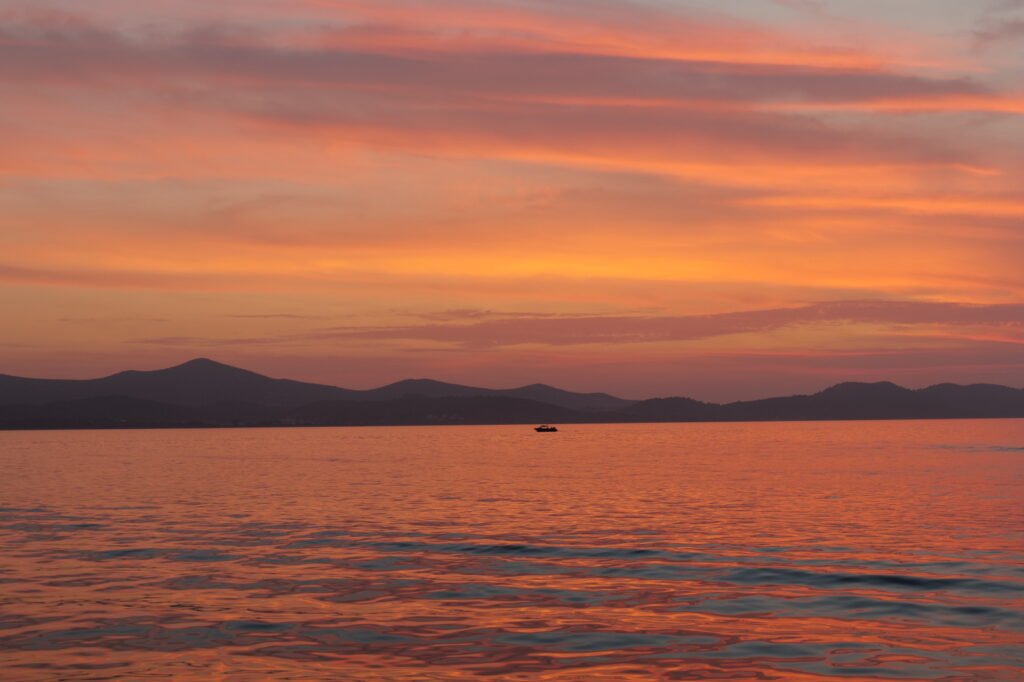
But I picked myself back up, got out, and watched the sunset Zadar is famous for.
It was a horrible, horrible experience in the moment. But looking back, I’m still so proud of myself for not letting it ruin the rest of my trip.
And that wasn’t my only close call, either.
I was almost pickpocketed in Lisbon.
And in Nice, France, although nothing actually happened, I felt very uncomfortable walking back to my accommodation (down a dimly lit side street) one night.
It made me so anxious that I refused to go out in the evening again for the rest of the trip, just to avoid that walk in the dark.
And that one experience is exactly why I now religiously use my “neighbourhood walk” method before booking anywhere, which I break down fully in The Exact System I Used to Plan My First Solo Trip With Anxiety.
I’ve also had some unwanted attention, like catcalling in Rome and again in Paris.
But I’ll be honest, though, I know other women have experienced far more than I have, because I don’t drink or go out much at night to keep things comfortable for my social anxiety.
Katie’s Note: None of this is me trying to scare you. It’s me showing you what solo travel safety actually looks like in practice, wobbles and all, so you know what you’re really dealing with.
What Actually Makes Solo Travel Safer
So if it’s not luck keeping women like me safe on the road, what is it?
I would say preparation, in a few specific areas.
1. Choosing accommodation safely
Location matters more than the photos or aesthetics do, and it’s worth knowing exactly what’s around you before you book, not after you arrive.
Again, you can steal my exact method for this in my post, The Exact System I Used to Plan My First Solo Trip With Anxiety.
2. Transport and late-night arrivals
Booking a proper taxi in advance instead of hailing one, like I didn’t do in Zadar, removes a lot of the risk before it even starts.
It’s also part of why “39% of women travelers say they choose destinations with strong public transport because it improves personal safety,” according to Zipdo’s female travel research.
3. Protecting your belongings
A bit of awareness in crowded spaces goes a long way, as my near-miss in Lisbon taught me!
It’s also part of why “women are 40% more likely to carry a personal safety device (e.g., alarms, GPS trackers) than men,” per a 2022 study by the International Travel Safety Institute.
I personally never solo travel (or go anywhere, really!) without my personal safety alarm.
4. Avoiding common scams
Agreeing on a price up front is always good practice, of course.
But knowing which taxis and services are actually reputable matters even more, as I learned the hard way in Croatia.
As well as this, always make sure you book through reputable sites (like GetYourGuide for tours or Expedia for hotels) and stay up to date with the latest tourist scams.
5. Having a simple emergency backup plan
Something as small as calling someone you trust if you ever feel uncomfortable or unsafe in a situation can make such a difference.
And then I always like to know the local emergency number and the number of my local embassy – just in case.
I go into a lot more depth on each of these in my post, 30 Must-Know Safety Tips For Solo Female Travellers, so I won’t repeat it all here.
But the short version is: preparation is genuinely the thing doing the heavy lifting, not uber-confidence, and definitely not luck.
How to Choose a Destination That Feels Safer for You Right Now
Now, safety isn’t only about how you travel. It’s also about where you travel.
“In some countries or cultures, women travelling alone or in female-only groups can face extra risks and obstacles,” according to GOV.UK’s official travel advice.
And honestly, that’s so true in my experience.
So if you’re choosing your first solo destination, it makes sense to pick somewhere that removes a few of those extra obstacles for you, rather than adding to them.
And this isn’t overthinking, by the way:
“84% of female travelers research ‘local women’s rights’ before visiting a destination,” according to a 2022 survey by Women Who Explore.
So if you’ve had 10 tabs open comparing destinations, you’re doing exactly what most women in your position (including me!) already do.
Katie’s Top Tip: A tool I’d also recommend alongside your own research is Numbeo’s Safety Index, which gives you a quick, general safety benchmark for wherever you’re considering.
Solo Female Travel Safety FAQs
Is solo travel risky for women?
Solo travel carries a lot of the same risks as everyday life, but it’s not inherently more dangerous just because you’re travelling alone or a woman. Preparation, not luck, is what actually reduces the risk.
Is it dangerous to travel alone as a woman?
Not inherently, no. There are extra considerations worth planning for, of course, but the real danger usually comes from being unprepared, not from solo travel itself.
What’s the best way to feel safer travelling solo?
Small, practical steps make the biggest difference. Things like booking transport in advance, choosing accommodation carefully, and always having a backup plan. I break all of this down fully in my 30 Must-Know Safety Tips For Solo Female Travellers post.
What should I do if something feels unsafe while travelling alone?
Prioritise getting yourself out of the situation safely first, and then deal with everything else after. That’s exactly what I did in Zadar: I stayed calm, paid the inflated fare, and called someone the second I was clear.
Which destinations are safest for a first solo trip?
Some destinations are genuinely easier for first-timers than others. I’ve ranked my favourites for anxious beginners in my post about 10 Easy Solo Travel Destinations for Anxious Beginners.
So, Is It Actually Dangerous to Travel Alone as a Woman?
No, solo travel isn’t inherently more dangerous for women than daily life is.
But yes, there are extra considerations worth planning for, and that planning is exactly what closes the (often overwhelming) gap between fear and reality.
It’s not about waiting for the fear to disappear before you book.
But about building confidence and safety the exact same way: through preparation, rather than sitting back and hoping that one day you’ll suddenly feel 100% ready.
And if it helps to know you’re in good company: “58% of solo travelers globally are women,” according to UNWTO’s 2023 data!
It also makes sense that you’re here reading this rather than just Googling and closing the tab.
“71% of women travelers use ‘female-led travel blogs’ for destination research, vs. 42% of men,” per a 2023 study by the Global Travel Blog Association.
Which is exactly why I built this space in the first place: so we all always have somewhere honest to come back to. (Not just another polished highlight reel!)
Katie’s Note: I can’t promise nothing will ever go wrong. Nobody honest can. But I can tell you that preparation, awareness, and a few non-negotiable rules have taken me safely across 24 countries, anxiety included, and they can do the same for you.
Take Your Next Small Step
Solo travel isn’t inherently dangerous because you’re a woman or because you’re alone.
But a lot of fear around solo female travel safety comes from being unprepared – and luckily that’s the one part you’re fully in control of.
So here’s your one next small step:
Join my free email course, 7 Days To Your First Solo Trip (Even If You’re Anxious), and I’ll walk you through exactly what to do, one manageable step a day – including a lesson on safety on day 2!
Or, if the practical safety side is still on your mind, my 30 Must-Know Safety Tips For Solo Female Travellers post has the full checklist.
Want a little extra support planning your next solo trip?
Explore my FREE Solo Female Travel Resource Library – a growing collection of tools designed to help you feel prepared, confident, and genuinely excited about travelling on your own – even if anxiety has been holding you back.
Inside, you’ll find:
- 7 Days To Your First Solo Trip (Even If You’re Anxious) Email Course
- The Ultimate Solo Female Travel in Europe Starter Kit
- An exclusive invite to my private Facebook community
- Plus checklists, templates, mini‑guides, and new resources added regularly
Click here to access the full resource library! 💛
Share This Guide To: Is It Dangerous To Travel Alone As A Woman?

